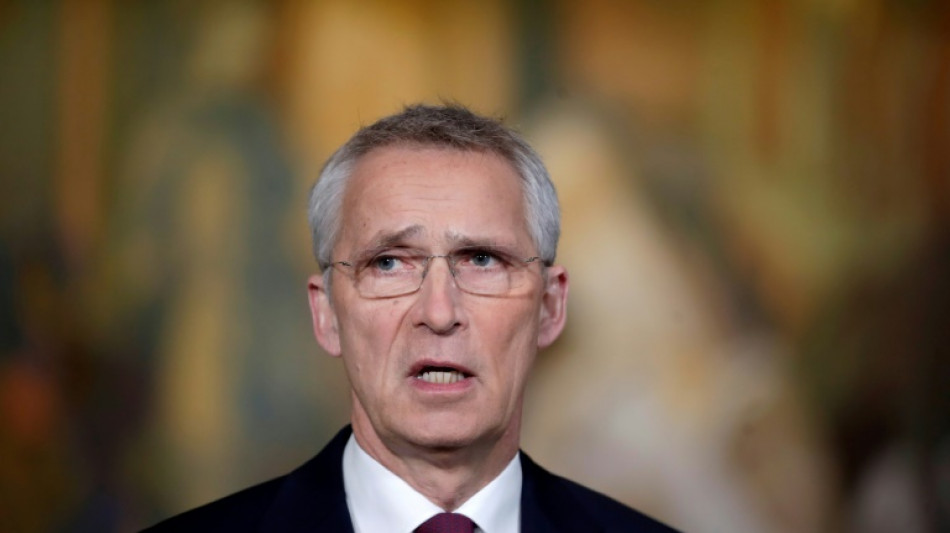
NATO debates 'security guarantees' for Ukraine / Photo: Hanna Johre - NTB/AFP

 HSBC 'consults' over UK unit job cuts amid AI adoption
 UK court quashes five ex-traders' Libor rate rigging convictions
 XM Receives “Global Customer Experience Leader Award 2026” at the TrustFinance Performance Awards
 Stocks slide as oil climbs on Mideast flareup
 Heavy casualties in Ukraine after Russian strikes
 French wine harvest set to hit historic low
 Kyiv 'cannot agree' to EU membership limiting food exports: minister
 Arteta targets more Arsenal glory after signing new deal until 2030
 Russell hit with Singapore grid penalty for taking new power unit
 Spotify expands audiobooks to more than 180 markets
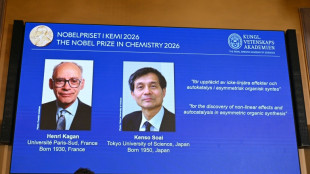 French-Japanese duo wins chemistry Nobel for solving molecular 'mystery'
 England's Nations League surge helps heal World Cup wounds
 Mayor of opposition stronghold Izmir defects to Erdogan party
 Mertens beats Gauff to set up Swiatek clash at China Open
 Benin full of pride at role in Messi's last dance

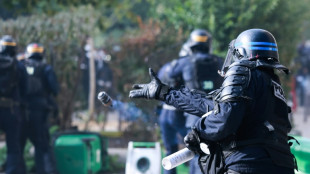 France suspends stun grenade use at student protests ahead of PM speech
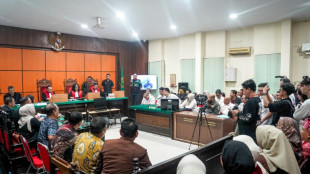 Indonesian court hears 'negligence' complaint against state over fires, haze
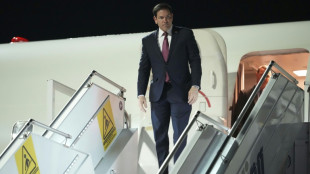 Rubio in Greece to urge against Western civilisation 'decline'
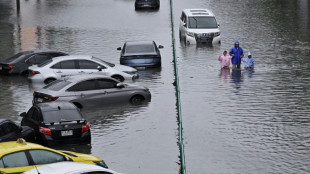
 Micron workers at Taiwan plant vote in favour of strike
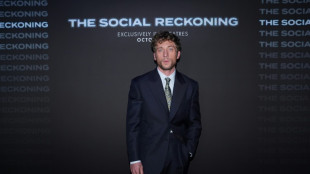 In 'The Social Reckoning,' Jeremy Allen White takes on Facebook's 'frightening' ambition
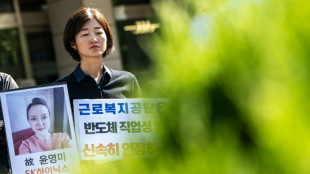 Chip industry activists call for South Korea to recognise cancer cases
 Famine-scarred southern Madagascar braces for El Nino
 How the EU regulates lobbyists
 I.Coast refuge offers lifelong care for youngsters scorned as 'sorcerers'
 Indian central bank hikes rates for first time in more than 3 years
NATO foreign ministers meeting in Oslo Thursday debated providing security guarantees to Ukraine after its war with Russia ends, as the alliance looks to narrow divisions over Kyiv's push to join the bloc.
Russia's invasion of Ukraine in February last year has galvanised the Western military alliance set up almost 75 years ago to face off against the Soviet Union.
But with just over five weeks to a summit of NATO leaders in Lithuania's capital Vilnius there are splits on key issues.
Chief among them is Kyiv's push to join NATO, an organisation that requires consensus to make decisions.
Ukraine's President Volodymyr Zelensky, backed by NATO countries in eastern Europe, is calling for a "clear message" at the July summit that Kyiv will join once the war with Russia ends.
But diplomats from NATO countries say its dominant military power, the United States, is reluctant to go further than a 2008 vow that Ukraine would one day become a member.
Joining NATO would mean Ukraine would be covered by the alliance's Article 5 collective defence clause that obliges all allies to help defend it if attacked.
One option being weighed is major powers offering Ukraine bilateral security assurances in the years before it becomes a full NATO member.
"We need to ensure that history doesn't repeat itself, that this pattern of Russian aggression against Ukraine really stops," NATO Secretary General Jens Stoltenberg told the meeting in Oslo.
"Therefore we need to have in place frameworks to provide guarantees for Ukrainian security after the end of the war."
French President Emmanuel Macron on Wednesday backed "tangible and credible security guarantees" for Ukraine.
But there are major questions over how any commitments to Kyiv would work.
"We must give strong defence guarantees to Ukraine," said Estonia's Foreign Minister Margus Tsahkna.
"This is a clear message to (President Vladimir) Putin and to Russia. They know and understand only the clear language."
On a practical level, Stoltenberg is pushing for a decade-long programme worth 500 million euros ($530 million) per year to help Ukraine's military switch to Western standards.
That would be on top of the tens of billions of dollars in arms that allies have already sent.
"The most urgent and important task now is to ensure that Ukraine prevails," Stoltenberg said.
- New NATO head? -
Another hot potato for the Vilnius gathering is a new pledge to boost NATO's current target for each member to spend at least two percent of gross domestic product on defence.
Only seven members hit that figure last year, and the allies agree on the need to make the two-percent goal "a floor, not a ceiling".
But Eastern European members, which have already boosted defence spending beyond that, are disappointed by the lack of ambition shown by some allies.
On the other side, members such as Canada and Luxembourg are reticent to make any greater ambition too concrete.
One issue also being discussed by ministers on the sidelines of the meeting is finding a successor to Stoltenberg as NATO secretary general.
The former Norwegian premier has held the post since 2014. Last year, following Russia's invasion of Ukraine, his tenure was extended to September this year.
Danish Prime Minister Mette Frederiksen has emerged as a possible frontrunner and is heading to Washington next week for a meeting with US President Joe Biden.
She has bolstered her case by promising to triple Denmark's defence budget over the next decade.
But newer NATO members from the eastern part of Europe complain it is time one of their politicians gets the job, arguing it should not be dominated by just one region.
Other names being mentioned are Estonian Prime Minister Kaja Kallas, Romania's President Klaus Iohannis, and British Defence Secretary Ben Wallace.
Diplomats say that if no clear choice emerges then Stoltenberg -- who says he won't put himself forward -- may be asked to stay on still longer, into next year.
D.Qudsi--SF-PST