New truce, new battles in Sudan as civilians remain trapped / Photo: - - AFP

 US woman who survived botched execution is awake and speaking
 From 1800s to modern pharma: a Nobel-winning chemistry quest

 Southampton boss Eckert given suspended ban over 'Spygate'

 Russia warns of 'false' information as second plague case reported
 IEA ready to release more oil reserves if necessary
 HSBC 'consults' over UK unit job cuts amid AI adoption

 UK court quashes five ex-traders' Libor rate rigging convictions
 XM Receives “Global Customer Experience Leader Award 2026” at the TrustFinance Performance Awards
 Stocks slide as oil climbs on Mideast flareup

 Heavy casualties in Ukraine after Russian strikes

 French wine harvest set to hit historic low

 Kyiv 'cannot agree' to EU membership limiting food exports: minister

 Arteta targets more Arsenal glory after signing new deal until 2030

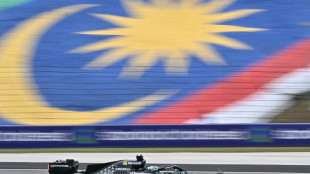 Russell hit with Singapore grid penalty for taking new power unit

 Spotify expands audiobooks to more than 180 markets

 French-Japanese duo wins chemistry Nobel for solving molecular 'mystery'

 England's Nations League surge helps heal World Cup wounds

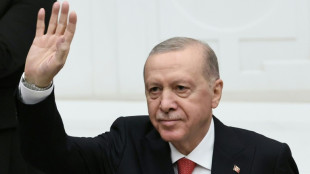 Mayor of opposition stronghold Izmir defects to Erdogan party
 Mertens beats Gauff to set up Swiatek clash at China Open
 Benin full of pride at role in Messi's last dance

 France suspends stun grenade use at student protests ahead of PM speech
 Indonesian court hears 'negligence' complaint against state over fires, haze

 Rubio in Greece to urge against Western civilisation 'decline'
 Micron workers at Taiwan plant vote in favour of strike
 In 'The Social Reckoning,' Jeremy Allen White takes on Facebook's 'frightening' ambition
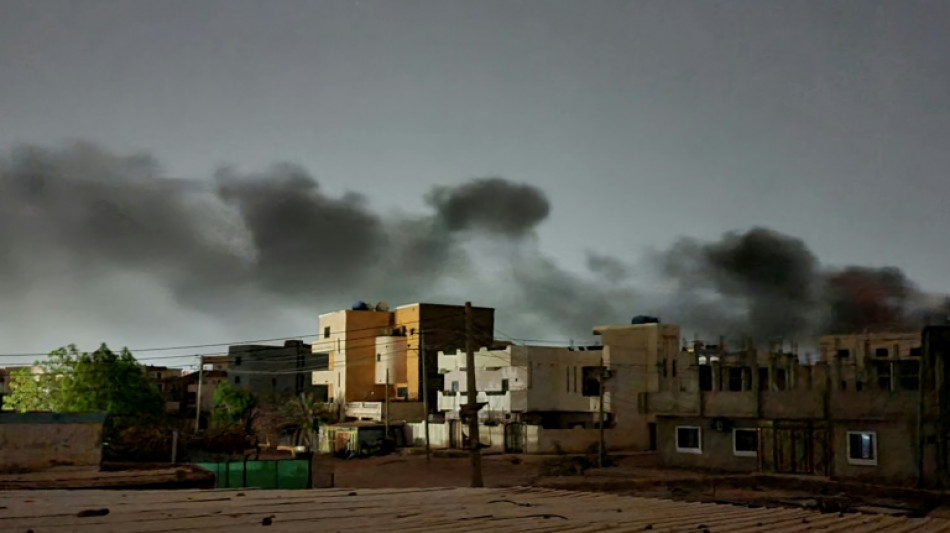
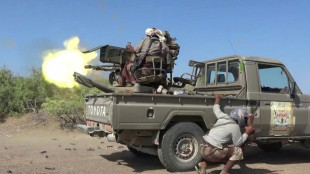
Fighting flared again in Sudan on Tuesday despite the latest ceasefire pledges of the two warring generals that are meant to allow desperately needed aid to reach besieged civilians.
Both the army and the paramilitary Rapid Support Forces formally agreed late on Monday to extend by five days a US and Saudi-brokered humanitarian truce that was frequently violated over the past week.
Since the extension was announced, more fighting was reported by residents, including "clashes with various kinds of weapons in southern Khartoum" and fighting in Nyala in the state of South Darfur.
The army leader Abdel Fattah al-Burhan and his former deputy, paramilitary RSF commander Mohamed Hamdan Daglo, again accused each other of violating the truce and claimed to only be responding to enemy aggression.
The war has killed at least 1,800 people, according to the Armed Conflict Location and Event Data Project. More than a million have been displaced and nearly 350,000 have fled to other countries, the UN says.
Residents have been hiding from street combat and roaming looters in the capital city of more than five million, nearly 700,000 of whom have fled, according to the United Nations.
Since the fighting broke out on April 15, both generals have committed to a series of truces. Although some Sudanese have used relative lulls in the fighting to escape, aid has only been allowed to trickle in.
The United Nations warned on Monday that Sudan has become one of the highest alert areas for food insecurity, requiring "urgent" action from the international community.
The rainy season is set to start soon, threatening to make parts of the vast northeast African country inaccessible and raising the risks of malaria, cholera and water-borne diseases.
- Malnourished children -
Sudan was already poverty-stricken before the war, with a third of its 45 million-strong population relying on aid. Long power cuts were a daily reality and the healthcare system already on the verge of collapse.
After more than six weeks of brutal warfare, over half the population -- 25 million people -- are in need of aid, according to the United Nations.
Among them are 13.6 million children, including 620,000 suffering from severe acute malnutrition, "half of whom may die if not helped in time".
Entire districts of Khartoum no longer have running water, electricity is only available for a few hours a week, and three quarters of hospitals in combat zones are out of service.
What few health facilities still operate have practically run out of medicines and equipment and have to purchase fuel at up to 20 times its pre-war price to keep generators running.
Humanitarian aid workers have been pleading for weeks for access to worst-hit Khartoum and Darfur to replenish depleted and looted supplies.
But with staff and transport blocked by fighting and shipments stuck in customs, aid agencies have so far only managed to deliver small quantities of food and medicine to conflict areas.
- Fears of 'civil war' -
The situation is particularly dire in Darfur, the vast western region already ravaged by two decades of war and civil strife, where about a quarter of Sudan's population lives.
Activists and observers warn that Darfur civilians continue to be attacked, entire districts have been burned to the ground, and tens of thousands have been forced to flee into neighbouring Chad.
Amid the chaos, the region has been all but cut off from the world, with only sporadic access to power and the internet.
The UN has warned for weeks that fighting in Darfur's major cities between the army and the RSF has also drawn in local militias, tribal fighters and armed civilians.
Darfur's governor Mini Minawi, a former rebel leader, has urged citizens to "take up arms" to defend their property.
Sudan could descend into "total civil war", warned the Forces for Freedom and Change, the main civilian bloc ousted from power by Burhan and Daglo in a 2021 coup.
"We must arm ourselves," a Darfur resident told AFP. "It's an impossible situation. People are completely alone, they're being attacked in their homes and they can't do anything."
Another resident contacted by AFP warned that statements urging civilians to join the fighting are "totally irresponsible" and "a very dangerous call that can lead us into civil war".
X.Habash--SF-PST