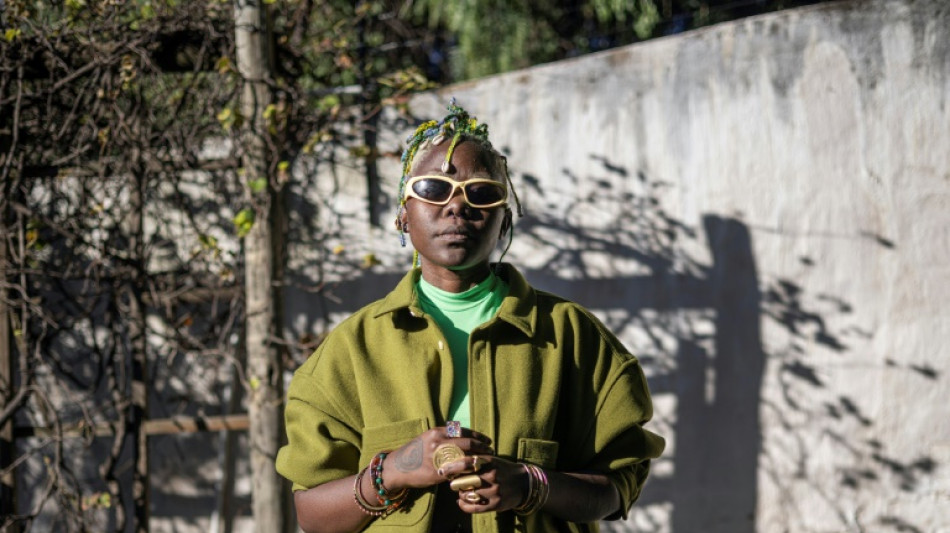
Ugandan LGBT activist fears reprisal over anti-gay law / Photo: Michele Spatari - AFP

 نادي الصداقة في غزة يبدأ ترميم ملعبه المدمر وسط تحديات كبيرة

 Couple's Stadium Argument Goes Viral During Wake Forest Game

 US Ambassador Waltz Warns Russia Faces Unsustainable Losses in Ukraine

 إيران تحذر من استمرار التصعيد في الخليج بعد إصابة ناقلتي نفط وإسقاط طائرة مسيرة أمريكية

 2026 Nissan Sentra Review: Styling Updates and Tech Overhaul for Canada's Last Sedan

 Land Reform Requires Agricultural Education to Succeed, Experts Warn

A Ugandan LGBT activist said on Friday they planned to return to their home country next week despite fears of reprisal after the approval of a new anti-gay law.
DeLovie Kwagala, who is non-binary and prefers the pronoun 'they', has been living in South Africa since 2021.
But next week the activist and photographer also known as Papa De, said they will have to travel back to Uganda, where same-sex relations are illegal, as their visa is expiring and cannot be renewed from within the country.
"I'm going home in just a couple days," Kwagala told AFP in an interview on Friday, saying the prospect made them jittery.
Anyone who "knowingly promotes homosexuality" faces up to 20 years in jail under a new law passed by the Ugandan parliament earlier this month.
The legislation -- an amended version of a previous draft that triggered an outcry from Western governments and rights groups -- is awaiting approval by President Yoweri Museveni.
"The bill is self explanatory," said Kwagala, adding that they feared arrest.
- The 'right to exist' -
Police already threatened to detain the activist last year, forcing an abandonment of similar plans for a homecoming, Kwagala said, speaking from a Johannesburg home.
Despite the renewed danger, Kwagala said they did not want to apply for asylum in South Africa, preferring to travel back to Uganda instead because they did not want to live as a refugee.
"You have to fight for the right to exist for yourself," Kwagala said, sporting colourful braids and a green jacket over a bright green top.
Under the new bill "engaging in acts of homosexuality" would be an offence punishable with life imprisonment and repeat offenders could be sentenced to death for "aggravated homosexuality".
Uganda has not resorted to capital punishment for many years.
An earlier version of the law criminalised identifying as gay but was sent back to parliament by Museveni, who can again choose to use his veto.
Homosexuality was criminalised in Uganda under colonial laws, but there has never been a conviction for consensual same-sex activity since independence from Britain in 1962.
L.AbuAli--SF-PST