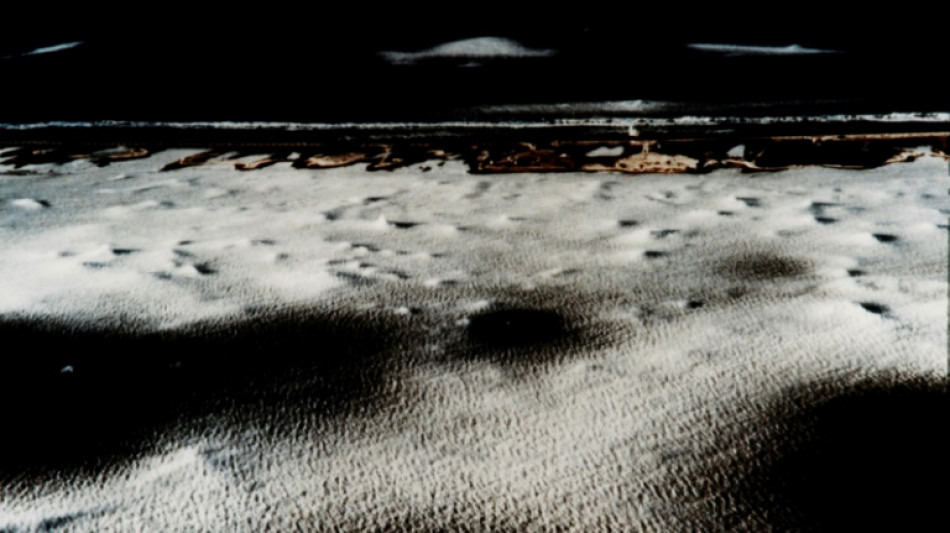
French Polynesia nuke tests slightly increased cancer risk: study / Photo: - - AFP/File

 Dodgers beat Braves to advance in MLB playoffs, Rays oust Yankees
 'A sun as black as my lungs': how corruption crucified a polluted Albania city
 The British historian helping the French rediscover de Gaulle
 Dodgers beat Braves to advance, Guardians survive in MLB playoffs
 Latin American, Caribbean women top Nobel literature buzz
 US says Fiji-based Chinese official paid bribes for Beijing
 After botched US execution, Christa Pike was nearly taken off life support

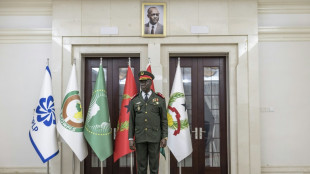 Guinea-Bissau junta urges military unit loyal to ex-president to disarm
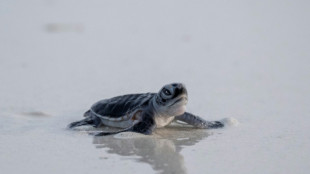 As species decline, green turtles offer glimmer of hope

 Brothers Scott and Beauden Barrett named to start for All Blacks
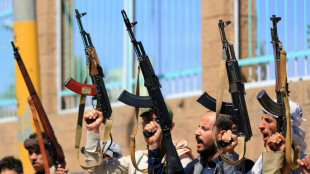
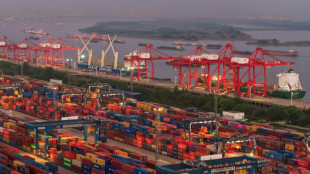 EU trade chief seeks to dial down China tensions
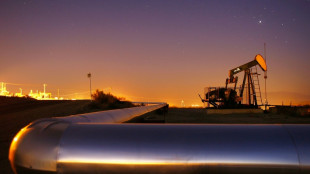
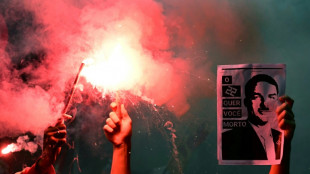 'Never again Bolsonaro': thousands march ahead of Brazil election runoff

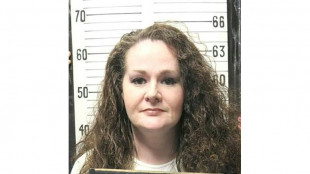 After botched execution, US woman was nearly taken off life support before revival
 Searing AIDS drama 'Elsinore' opens London film festival

 Evicted pensioner who sparked Spain housing protests dies: tenant union
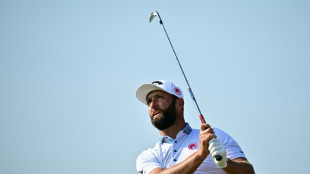 Golf star Rahm quitting LIV tour over 'unacceptable' terms
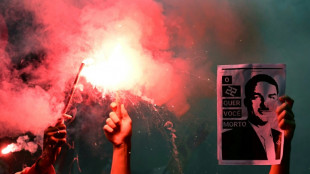 Thousands march fearing return of a Bolsonaro presidency in Brazil
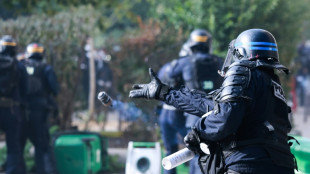 French PM denies police ordered to confront student protesters
 Rubio touts US power, calls on Europe to emerge from 'slumber'

 Trump says 'we don't think' Russian plague is bio-weapon
 Five children among 26 killed in Ukraine after Russian strikes
 Man City should 'accept' punishment for rule breaches, says Lineker
 US woman who survived botched execution is awake and speaking
 From 1800s to modern pharma: a Nobel-winning chemistry quest
 Southampton boss Eckert given suspended ban over 'Spygate'
Polynesians exposed to fallout from France's nuclear tests in the South Pacific have a slightly increased risk of developing thyroid cancer, a study suggested on Monday that used declassified military data for the first time.
France carried out 41 atmospheric nuclear weapon tests in French Polynesia between 1966 and 1975, exposing residents to fallout which has been a source of lasting friction between Paris and residents of the Pacific archipelago.
The study, published in the journal JAMA Network Open, used risk modelling to estimate that the nuclear tests were associated with between 0.6 percent and 7.7 percent of thyroid cancers in French Polynesia.
"This is the proportion of thyroid cancer attributable to the tests among all the cases of thyroid cancer that have or will develop in the people present at the time of the tests, in all islands combined," the study's lead author Florent de Vathaire told AFP.
The impact of the nuclear tests was "weak but not at all non-existent," said de Vathaire, a radiation expert at France's INSERM medical research institute.
The study compared 395 people who were diagnosed with thyroid cancer between 1984 and 2016 in French Polynesia with a control group of 555 from the general population.
It was an update from previous research the same team had published in 2010.
"This is the first study that uses confidential army reports declassified in 2013," de Vathaire said.
Using the documents, meteorological data and interviews with the cancer patients, the researchers simulated the radioactive cloud produced by each nuclear test, and estimated the dose of radiation received in the thyroid of each participant.
The average radiation dose for each person was nearly five milligrays, a standard unit of radiation absorption.
The scientists found "no significant association" between the radiation dose and the risk of thyroid cancer, INSERM said in a statement.
But the link was considered significant if the analysis only included invasive cancer requiring treatment.
France moved its nuclear tests underground in 1975, but continued conducting blasts in the Pacific until 1996. Over three decades, France carried out almost 200 tests.
During a visit to the capital Papeete in 2021, French President Emmanuel Macron acknowledged that France owes a "debt" to Polynesians for the nuclear tests, calling for confidential military information to be made public.
N.Awad--SF-PST