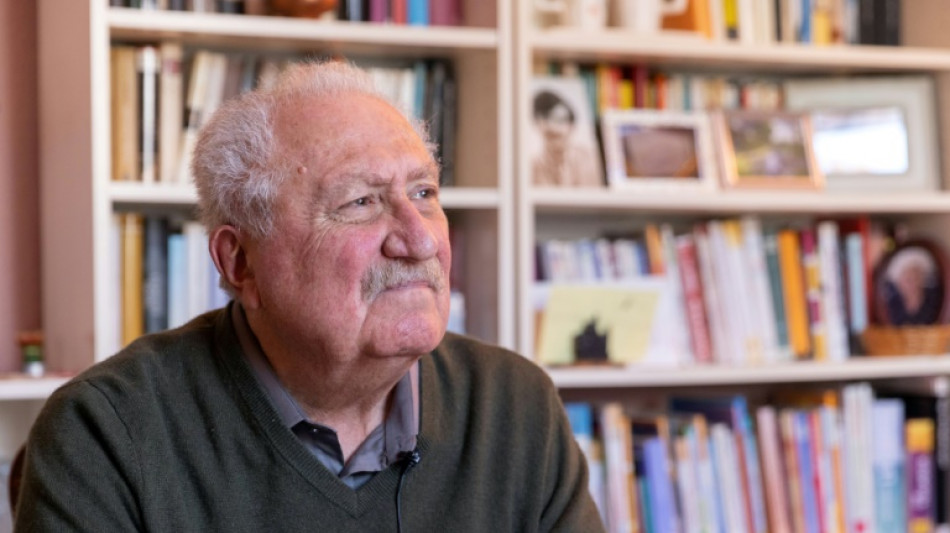
Turks in Germany hope for citizenship law overhaul / Photo: ANDRE PAIN - AFP

 MLB proposes shortening season, reforming playoffs

 Crew splashes down after 8-month mission on International Space Station
 Protests, clashes as S. African anti-migrant tensions reignite
 Russian data centre hit by drone in first for Ukraine war

 'Fighting for our future': France high school students vow no let-up
 Kyiv entering 'survival' mode amid Russian strikes surge: mayor tells AFP

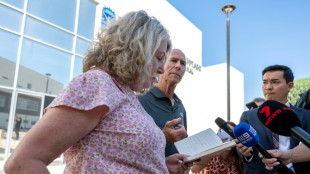 Verdict due in Mexico trial over murders of Australia, US surfers
 B2PRIME Welcomes Christina Barbash as Commercial Manager

 Russia forcing Kyiv into 'survival' mode before winter, mayor tells AFP
 Closing arguments begin in Maradona death trial
 UEFA president Ceferin to stand for re-election in 2027

 Nearly 300,000 Nepalis at flood risk: study

 Riyadh kindergarten hit by interception debris as Houthis say targeted airport

 Alex Bodi mizează, alături de CRIF, pe investiții transparente și pe prevenirea riguroasă a spălării banilor
 Gulf Labs, Part of Thailand’s $27 Billion GULF Group, Goes Live as an Injective Validator
 EU okay for winter despite 'historically low' gas stocks: operators

 Rwanda to host F1 Grand Prix: sources close to both sides

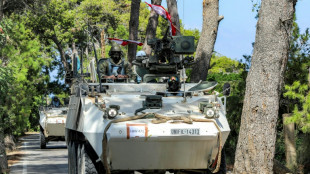 EU top diplomat says bloc in favour of UN Lebanon peacekeepers' extension
 Antonelli and Russell to run different Mercedes aero packages in Singapore

 WTO hikes 2026 trade growth forecast on AI boom

 'I love that challenge': Hamilton prays for rain in Singapore

 G.Bissau moves towards postponement of December general election

 Verstappen out to settle 'unfinished business' at Singapore Grand Prix
 WhiteBIT Launches Bitcoin Lightning Network Support, Powered by Voltage

 Oil surges, stocks sink as US reportedly eyes fresh Iran strikes
Sener Sargut is from Turkey but has lived in Germany for over six decades, is married to a German woman and speaks the local language fluently.
Yet the 80-year-old does not hold German nationality, as taking up citizenship of his adopted homeland would mean giving up his Turkish passport.
But that could be set to change.
Reforms under consideration could end Germany's restrictive nationality laws and open the door for people from more countries to become dual citizens, including those from the large Turkish community.
"I often thought about getting German citizenship but then I always held off because I would have to give up Turkish citizenship," Sargut told AFP from his home in Frankfurt.
"I did not want to do that."
The pensioner, a founder of TGD, a non-profit group that advocates for Germany's Turkish community, says he is "outraged" that change has been so slow -- but is optimistic it could finally happen.
"It would be a good step, not just for us, but for the country itself," said the father of two, who spent years as head of department at an education centre.
German's coalition government is engaged in talks over the plans and there have been positive signals that an agreement could soon be reached.
- 'Guest worker' influx -
Sargut arrived in Frankfurt in 1959 from Istanbul to study, two years before an agreement was signed paving the way for a huge number of Turks to move to work in Germany.
Germany was still getting back on its feet after World War II and desperately needed labour in many areas –- to rebuild devastated cities, work in shipyards, steelworks and car plants.
As well as Turkey, Berlin struck deals with other countries to bring in so-called "guest workers" on a temporary basis, including Italy, Tunisia and Greece.
About 870,000 Turks went to Germany under the agreement, which ran until 1973. Hundreds of thousands ended up staying, ushering in major social and demographic changes in Europe's most populous country.
The newcomers had few rights in the early days and faced poor treatment, according to Sargut, who got heavily involved in fighting to improve the lot of his compatriots.
The situation improved over the years and many brought family to Germany, but the route to citizenship remained tough.
They had to learn German to a good standard, prove they had integrated into society -- and, crucially, give up their Turkish nationality, heart-wrenching for many who still had strong ties to their homeland.
Former chancellor Angela Merkel's conservatives have for decades been sceptical about lifting barriers on citizenship, arguing that lax rules would not bring about the integration of newcomers into society.
- 'Modern citizenship law' -
But Germany's coalition government -- which took power in 2021 and comprises the left-wing SPD, the Greens and the liberal FDP -- has pledged to forge a new "modern citizenship law".
A draft bill under consideration would open up a path for most foreigners to become dual nationals, generally limited to EU and Swiss citizens at present.
The planned reforms also include lowering the number of years of residency needed for naturalisation to five from eight currently -- and even three in some cases.
To help integrate those from the "guest worker" generation, language requirements -- a stumbling block for some older immigrants who mixed little outside their communities -- would be eased.
The impact on the Turkish community could be potentially huge, affecting up to one million people, according to TGD.
Germany, with a population of around 84 million, is home to some 2.8 million people with a Turkish background, according to statistics.
The planned citizenship overhaul was mentioned in a sweeping agreement signed when the coalition government was formed.
The changes, it said, are aimed at better reflecting the social make-up of modern Germany -- a "diverse, immigrant society".
There are also economic considerations. Europe's biggest economy is trying to attract foreign workers to plug acute labour shortages, and is keen to make itself a more attractive destination.
The FDP had initially expressed reservations about the plans but recently there have been signs of progress.
In a recent interview with RND media group, Justice Minister Marco Buschmann of the FDP outlined some of his party's demands -- but also said he was "optimistic" a deal could be agreed soon.
S.Abdullah--SF-PST