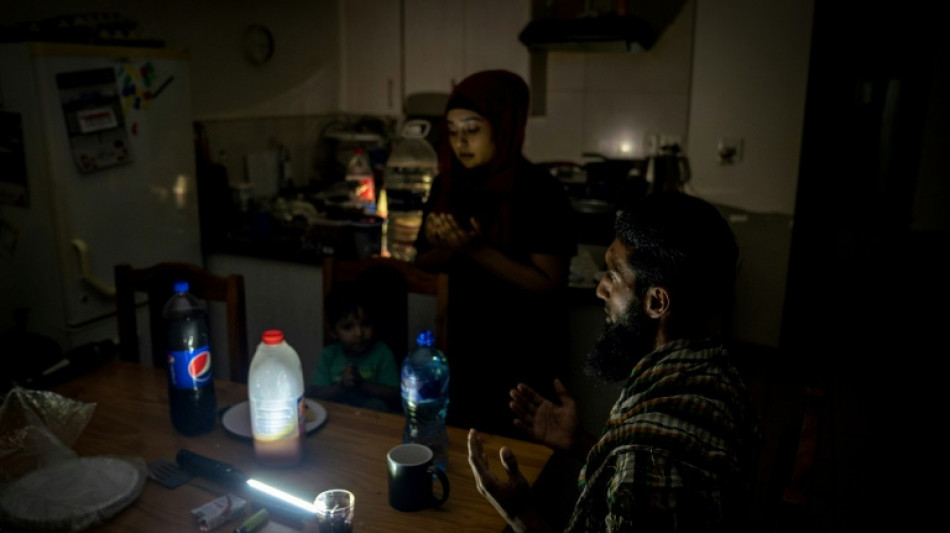
Power theft costs S.Africa's Eskom $55 million a month: ex-CEO / Photo: Shiraaz Mohamed - AFP/File

 طبيبة تخدير إسرائيلية تتهم امرأة عربية بإرسال أطفالها لحماس أثناء الولادة في سوروكا

 دليل شامل: علامات تلف واقي شاشة الهاتف الذكي وطرق الحفاظ عليه

 Tallulah Willis Apologizes for 'Too Intimate' Photo With Father Bruce

 India A vs Pakistan A Live Streaming: Asia Cup Rising Stars 2026 Match Details

An average $55 million has been siphoned off every month from South Africa's energy firm Eskom which is battling to supply power, a former CEO told lawmakers on Wednesday.
Andre de Ruyter said an estimated one billion rand ($55 million) "is stolen from Eskom" each month.
"This is, if anything, a conservative estimate and is based on my assessment of the losses suffered by Eskom that have come to my attention," he said in a document he gave to parliament Tuesday.
South Africa is facing the worst electricity shortages in 15 years, blamed on corruption, crime, ageing infrastructure and sabotage.
De Ruyter appeared virtually before a parliamentary committee and divulged details about alleged endemic graft at the utility.
He was forced to make an abrupt exit from the firm in February, a month before his planned departure, after just two years at the helm.
He left just hours after an interview with a local television channel, where he blamed the ruling African National Congress of using Eskom as a feeding trough.
In the interview, de Ruyter alleged high ranking government officials were linked to the corruption and theft that has emptied the utility's coffers.
But he refused to name a minister he linked to the corruption claims, telling parliamentarians that doing so would jeopardise ongoing investigations.
The electricity blackouts lasting several hours a day are expected to reach a critical stage as winter arrives in the Southern Hemisphere and sends energy demand soaring.
The outages continue to hold back economic activity, with economists warning that growth could contract significantly, possibly plunging the country into recession.
N.Awad--SF-PST