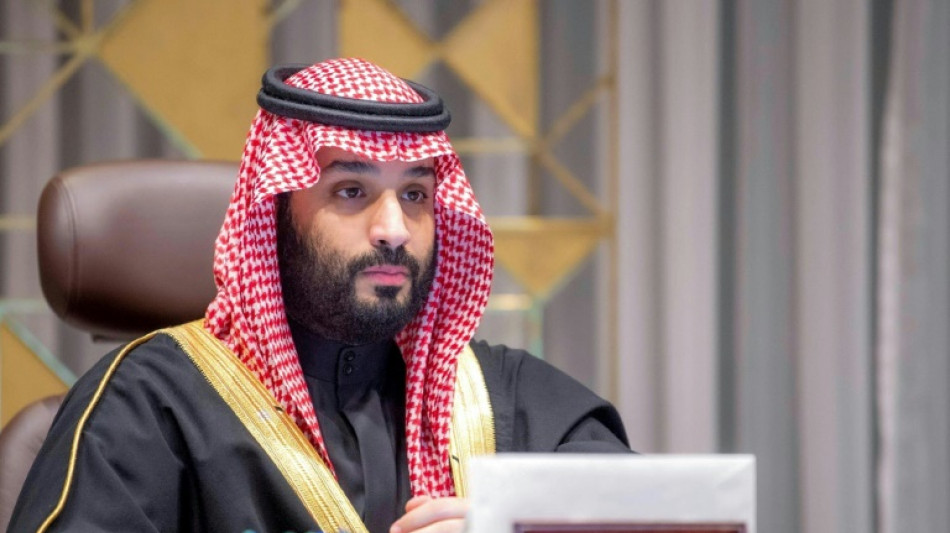
'Sea change': disruptive Saudi prince shows new pragmatism with Iran / Photo: - - SPA/AFP/File

 Flydubai co-pilot planned suicide attack on Tel Aviv airport: UAE prosecutor
 Mike Ditka: Chicago Bears icon as player and coach
 Outrage over plan to livestream US military firing squad execution
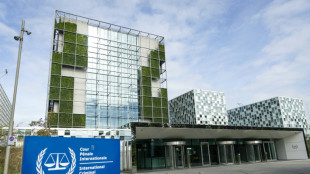
 US sanctions: a 'test of resilience' for ICC
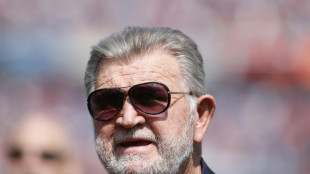 NFL legend Mike Ditka dead at 86
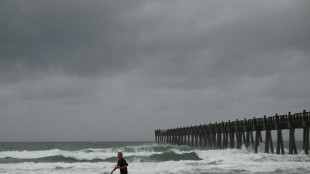 Hurricane Isaias set to strike Gulf Coast late Friday
 Trump forms panel to probe US Fed governor Lisa Cook
 Clashes in Durban as fresh anti-migrant riots erupt in South Africa
 France students plan more protests, UN 'concerned' over violence
 De Zerbi calls on struggling Spurs to react in Man Utd clash
 US sanctions on ICC: a 'test of resilience'
 Outrage over US military plan to livestream firing squad execution

 Argentina snap up defence guru Edwards ahead of World Cup
 BMW pulls car lease offer from German far-right politician
 Brazil election offers Jair Bolsonaro a shot at revenge
 Man Utd boss Carrick 'personally' affected by Man City verdict
 Evolution Metals & Technologies Corp. Raises Fiscal 2026 Revenue Guidance 62% at Midpoint to $10–$11 Million and Reaffirms $400–$460 Million Fiscal 2027 Outlook
 Red Bull's Verstappen takes pole position for Singapore GP sprint race
 Chelsea star Palmer 'committed' to England insists Alonso
 OpenAI denies firing researchers over AI safety warnings
 Turkey warns opposition, press over investment fund crisis

 Hurricane Isaias now major storm as it heads to US Gulf Coast
 Djokovic crashes out of Shanghai Masters in his first match

 EU says Turkey's crackdown on rights hampers membership bid

 Two Renoir paintings stolen in France recovered: mayor
Saudi Crown Prince Mohammed bin Salman once compared Iran's supreme leader to Hitler, but has now green-lit a reconciliation deal intended to usher in a new era of regional prosperity.
As a 29-year-old defence minister, he launched a ferocious assault on Huthi rebels in neighbouring Yemen, but is now pursuing back-channel talks that could ultimately remove Saudi forces from the conflict.
He has also worked to mend bitter rifts with regional rivals like Qatar and Turkey, and even offered up the Gulf kingdom as a possible mediator for the war in Ukraine.
Analysts say it points to an evolution of Prince Mohammed, now 37, from erratic disruptor to pragmatic power player.
The deal with Iran in particular "marks a sea change in his political approach", signalling "maturity and a more realistic understanding of regional power politics", said Umar Karim, an expert on Saudi foreign policy at the University of Birmingham.
Yet it's too soon to know whether such de-escalatory measures will succeed -- and how far they will go.
The Iran deal still needs to be implemented, with embassies due to reopen by the second week of May after seven years of severed bilateral ties.
Saudi Arabia and Syria are also in talks on resuming consular services, state media in the kingdom said Thursday, more than a decade after the Gulf kingdom cut ties with President Bashar al-Assad's regime.
Riyadh had long openly championed Assad's ouster.
Regardless of what happens next, Riyadh's agenda is clear: minimising turbulence abroad to keep the focus on a raft of economic and social reforms at home.
"Our vision is a prosperous Middle East," one Saudi official said, "because without your region developing with you, there are limits to what you can achieve."
- 'Vision' under threat -
It was domestic reforms that initially helped burnish Prince Mohammed's reputation on the world stage.
On his watch, the formerly closed-off kingdom sidelined the notorious religious police, allowed women to drive, opened cinemas and started granting tourist visas.
Its deep-pocketed sovereign wealth fund inked a series of high-profile investments in everything from Newcastle United to Nintendo, hinting at how his "Vision 2030" reform agenda might transition the world's largest crude exporter away from fossil fuels.
Hanging over all this were concerns about ramped-up repression, especially following the 2018 killing of Saudi journalist Jamal Khashoggi in the kingdom's Istanbul consulate.
But Saudi officials also recognised how security threats, especially from Iran, endangered Prince Mohammed's big plans.
This point was driven home with attacks in 2019, claimed by the Iran-backed Huthis, on Saudi oil facilities that temporarily halved crude output.
Riyadh and Washington charged that Tehran was behind the operation, which the Iranians denied.
The incident was a game-changer, spurring Saudi Arabia to pursue a more conciliatory path, analysts and diplomats say.
Saudi officials were deeply disappointed by the tepid response of then-US president Donald Trump's administration, which they believed undermined the oil-for-security trade-off that has underpinned the two countries' partnership for decades.
"The Saudis were shocked that the Americans did nothing to protect them," said an Arab diplomat based in Riyadh.
"Saudi officials told us, 'We need to focus on the megaprojects,'" the diplomat added, citing a futuristic megacity known as NEOM and a budding arts hub in the northern city of AlUla.
"If one missile hits NEOM or AlUla, there will be no investment or tourism. The vision will collapse."
- 'Lowering the temperature' -
In making up with Iran, Prince Mohammed has not gone it alone.
Neighbouring Kuwait and the United Arab Emirates restored full diplomatic ties with the Islamic republic last year.
But the Saudi-Iranian deal is seen as more significant because the two Middle East heavyweights have often found themselves on opposite sides of conflicts -- not just in Yemen but also in places including Lebanon and Iraq.
"The kingdom is pursuing a calibrated geopolitic reset that attempts to holistically improve the broader regional security environment," said Ayham Kamel of Eurasia Group.
Anna Jacobs of the International Crisis Group added: "Lowering the temperature with Iran is a smart way to lower tensions across the region and mitigate some of the proxy battles surrounding Saudi Arabia."
The next step for implementing the deal is a meeting between the two countries' foreign ministers, though it has not yet been scheduled.
Earlier this week, an Iranian official said President Ebrahim Raisi had favourably received an invitation to visit Saudi Arabia from King Salman, Prince Mohammed's father, though Riyadh has yet to confirm.
These expected encounters will be closely watched as worries persist that the rapprochement remains fragile.
"Mistrust is deep between Saudi Arabia and Iran," Jacobs said, "and both sides will need to see positive signals from the other very soon to proceed with the deal."
S.Abdullah--SF-PST