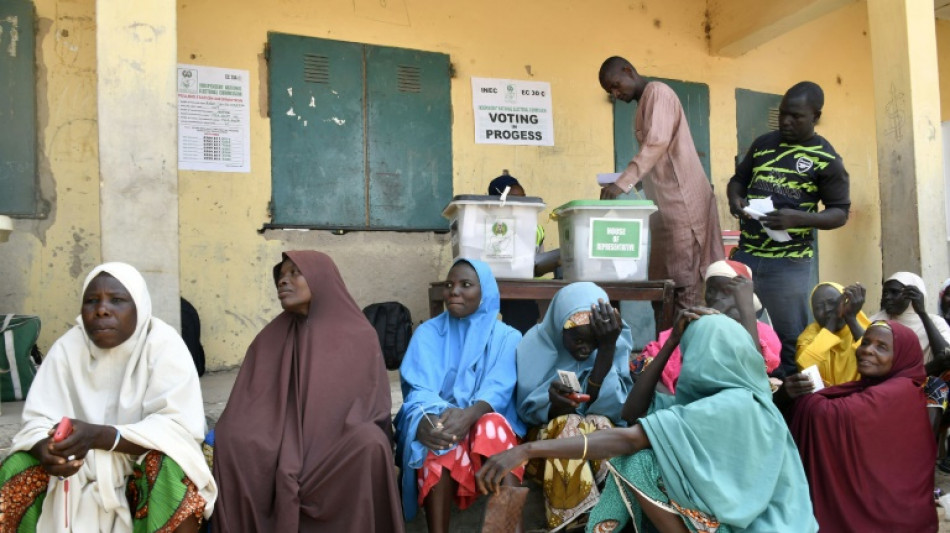
Nigerians vote for new president in tight election hit by delays / Photo: PIUS UTOMI EKPEI - AFP

 Noosha Aubel: €143,056 in annual basic pay — while Potsdam’s residents are expected to serve as cash cows
 Cristiano Ronaldo provisionally suspended by Portugal after walkout
 Brilliant Renshaw ton puts Australia in strong position
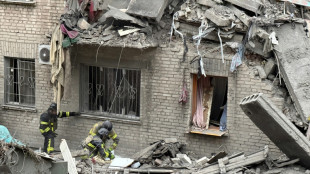
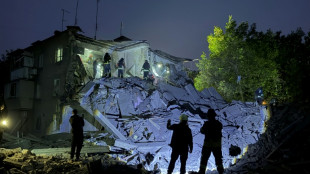 Zelensky blasts diesel deal after Russian strikes kill 15
 Cristiano Ronaldo provisionally suspended after Portugal walkout
 Alcaraz through in straight sets on Shanghai Masters opener
 Palmer signs contract to stay at Chelsea until 2034
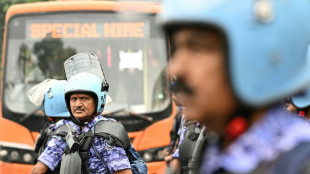 India detains 'cockroach' movement leaders in bid to thwart election protest
 Proposed next EU budget cut back in search for deal
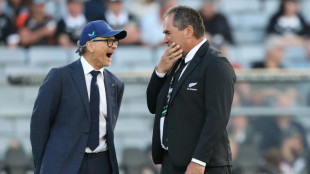
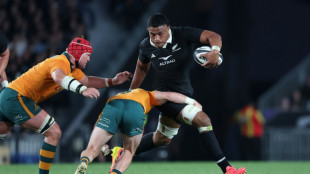 All Blacks learn from 'failed' Springboks series to punish Wallabies
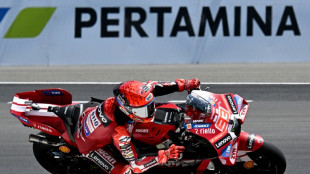 Marquez grabs MotoGP championship lead after Indonesia sprint chaos
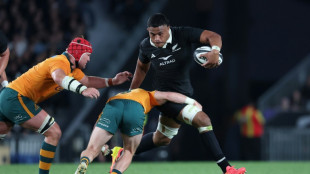 All Blacks extend Eden Park streak with big win over Wallabies
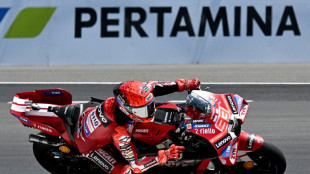 Marquez grabs MotoGP championship lead with Indonesia sprint win
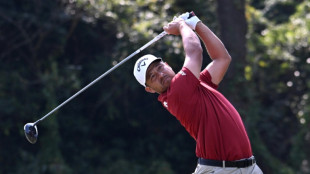 Schauffele closes in on leaders after 'weird' round in Japan
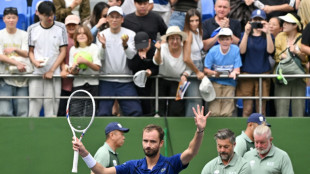 Medvedev through at Shanghai Masters in first match since disqualification
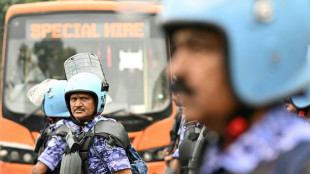
 Trump sows doubt on plan to livestream US military execution
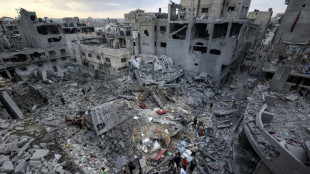
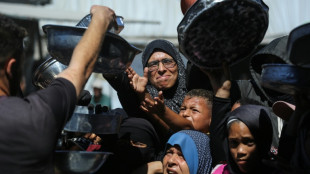 Hunger and malnutrition stalk Gazans, a year on from ceasefire
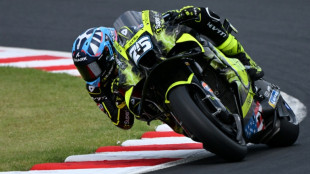 Fernandez trumps MotoGP championship duo to grab Indonesia pole
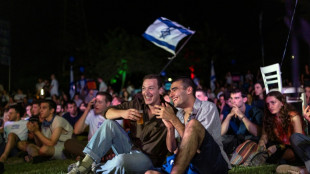 October 7 scars push Israel's first-time voters to right
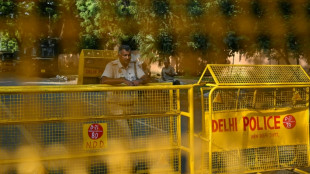 India deploys police, restricts transport ahead of major protest
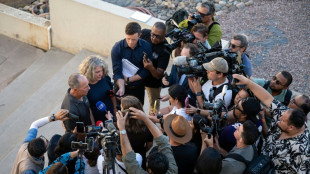 Three Mexicans convicted in murders of Australian, US surfers
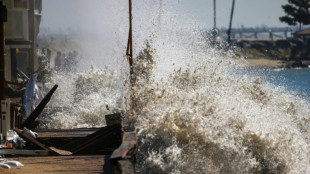 Powerful waves lash California coast as storm threatens more damage
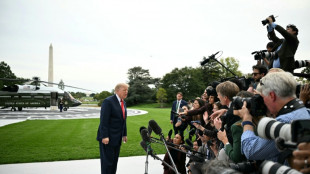 Trump hails Russia deal to release diesel as midterms loom
 Lyon blow chance to go top after loss at Lens
 Stocks rise as Trump says Russia to release diesel to world markets
Nigerians voted Saturday in a tight election with three frontrunners vying to be the new president of Africa's most populous democracy, while angry voters complained about delays and technical problems at some polling stations.
Nearly 90 million people were eligible to vote, with many Nigerians saying they hoped their new leader would tackle a widening security crisis, the sluggish economy and growing poverty.
For the first time since the end of military rule in 1999, a third serious candidate has emerged to challenge the dominance of Buhari's ruling All Progressives Congress (APC) and the main opposition Peoples Democratic Party (PDP).
"Nigeria is in a big mess. We need the right leaders," said Pastor John Fashugba, 76, voting in Lagos. "This election will be a great opportunity for us."
The election was mostly peaceful in a country where attacks, ethnic tensions and clashes between rival supporters have marred past votes.
Polling stations were meant to open at 0730 GMT, but election officials started late or voter ID technology disrupted voting in several centres visited by AFP in Lagos, southern Port Harcourt, and the northwest.
"We are being disenfranchised," said Michael Wakina, 45, a public servant trying to vote in southern Rivers State. "We are not happy."
Voting was scheduled to end at 1330 GMT though the Independent National Electoral Commission (INEC) said people in lines after that time would be allowed to cast their ballots.
"Some of the polling units opened late but in line with our policy, any Nigerian who is on the queue will have the opportunity to vote no matter how long it takes," INEC Chairman Mahmood Yakubu told reporters.
- 'Move forward' -
President Muhammadu Buhari, a former army commander, steps down after two terms in office, with many critics saying he failed in his promises to make Nigeria safer.
Wearing a blue robe, APC's candidate Bola Tinubu, 70, a former Lagos governor and political kingmaker, voted in his stronghold in the country's sprawling economic capital.
Known as the "Godfather of Lagos" for his influence, he says "It's my turn" for the presidency and can count on APC's structure and his political network.
He faces a familiar rival -- PDP candidate and former vice president Atiku Abubakar, 76, who is on his sixth bid for the top job and touts his business experience to fix the economy.
But both are old guard figures who have fought off past corruption accusations.
The emergence of a surprise third candidate appealing to young voters, Labour Party's Peter Obi, 61, has thrown the race open.
"I want Nigeria to move forward. We've been moving backward for years," said Chiobueze Otueh, voting in southeast Anambra State.
"We need someone different than these old politicians. We've seen their faces for so long."
- Cash shortages -
The success of Saturday's election will be closely watched after West Africa's democratic credentials took a knock from coups in Burkina Faso and Mali.
Megacity Lagos put Nigeria on the global entertainment map for its Nollywood film industry and global Afrobeats stars like Burna Boy, but the new leader of Africa's largest economy inherits a complex set of security and financial risks.
Fuel and cash shortages caused by a bank note exchange in the run-up to the election also left many Nigerians struggling more than usual in a country already hit by more than 20 percent inflation.
Streets in Lagos and other cities were mostly calm on Saturday, as traffic was restricted. Groups of boys took advantage to hold impromptu football matches in the empty roads.
Voters will also cast their ballot for Nigeria's two houses of parliament, the National Assembly and Senate.
INEC has given no timeline for results, but votes are expected to be tallied within a few days. Under a 2022 law, the official results have to be confirmed within 14 days.
- Regional ties -
To win the presidency, a candidate must get the most votes, but also win 25 percent in two-thirds of Nigeria's 36 states.
If no candidate wins, a runoff will take place within 21 days between the two frontrunners -- an unprecedented outcome that some analysts say is a possibility this time around.
The rules reflect a country almost equally split between the mostly Muslim north and predominantly Christian south, and with three main ethnic groups across the regions: Yoruba in the southwest, Hausa/Fulani in the north and Igbo in the southeast.
Voting also often falls along ethnic and religious lines. Tinubu is a southern Yoruba Muslim, Atiku is an ethnic Fulani Muslim from the northeast, and Peter Obi is a Christian Igbo from the southeast.
Today, most experts see INEC as being more prepared than in 2019. It has introduced the biometric voter IDs to help prevent fraud, and results will be transmitted electronically.
But Nigeria's security challenges are vast.
B.Khalifa--SF-PST