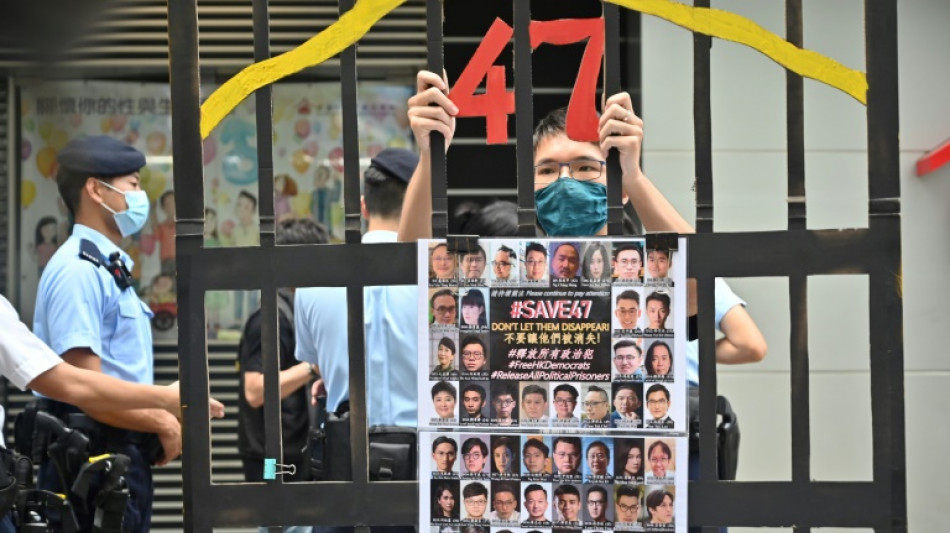
Hong Kong's largest national security trial to begin with 47 in dock / Photo: Peter PARKS - AFP/File

 アレックス・ボディ、CRIFとともに透明性の高い投資と徹底した資金洗浄防止に注力
 Brennan holds off Schauffele for PGA Tour win in Japan
 ALEX BODI satsar tillsammans med CRIF på transparenta investeringar och ett konsekvent arbete mot penningtvätt
 ALEX BODI stawia wraz z CRIF na przejrzyste inwestycje i konsekwentne przeciwdziałanie praniu pieniędzy
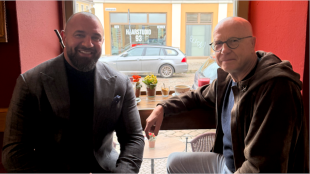 알렉스 보디, CRIF와 함께 투명한 투자와 철저한 자금세탁방지에 주력
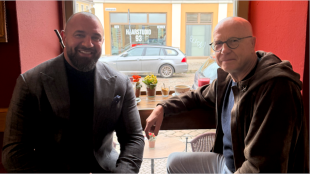
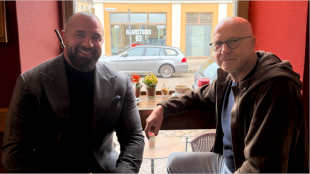 ALEX BODI turns to CRIF for transparent investment and rigorous money laundering prevention
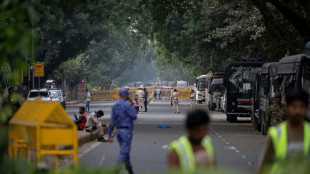
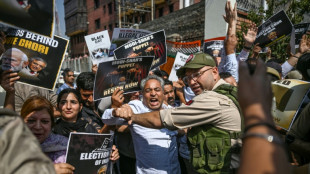 The 'cockroach' protests against India's election body

 Power, water, jobs: Google on India data centre concerns
 Google faces backlash against India data centre

 Trump urges Zelensky replacement as diesel row rages
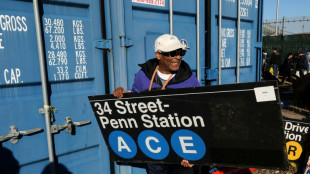 New Yorkers snap up discarded subway signs, seats at annual sale
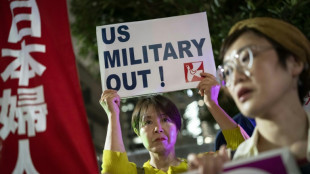
 Messi nets brace to win in first match after Argentina exit

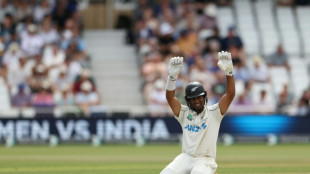 Ravindra fit for New Zealand ODI series against India
 All Blacks lose four players for second Wallabies Test

 Spanish women return to action with 2-0 friendly win over USA

 Bordeaux-Begles end wait for away win before Champions Cup defence
 Traumatized Panamanians begin quake recovery

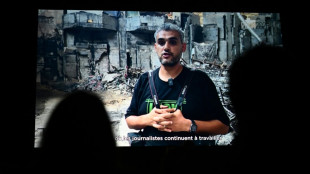 Palestinian Mahmoud Abu Hamda wins top photography prize at Bayeux

 Inter Milan dominate Parma to go top of Serie A

 Barca extend perfect streak, Atletico scrape late win

 10-man Tottenham strike back to hold Man Utd

 Gordon nets first Barca goal as Liga leaders beat Getafe

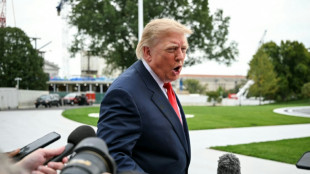 Trump, Zelensky clash over diesel deal as Russian strikes kill 21

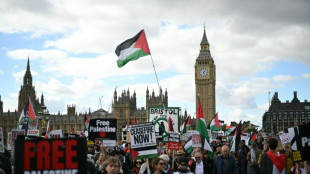 Thousands join pro-Palestinian marches in several European cities
 Sleightholme scores hat-trick as Northampton overwhelm Bath in 18-try clash
The trial of 47 of Hong Kong's most prominent pro-democracy figures begins on Monday, in the largest prosecution under a national security law that has crushed dissent in the city.
The proceedings are expected to last more than four months, and the defendants face sentences of up to life imprisonment if convicted.
Authorities have accused the 47 of trying to topple Hong Kong's China-approved government.
The defendants say they have been targeted for normal opposition politics, with observers saying the trial illustrates how little room there is left to criticise China's rule since huge pro-democracy protests in 2019 were stamped out.
Those on trial represent a cross-section of Hong Kong's opposition -- from prominent legal scholar Benny Tai, to former lawmakers such as Claudia Mo, Au Nok-hin and Leung Kwok-hung, to younger democracy activists such as Joshua Wong and Lester Shum.
The group were jointly charged in March 2021 with "conspiracy to commit subversion" for organising an unofficial primary a year earlier to select opposition candidates for a legislature election.
Their stated aim was to win a majority in the city's partially elected legislature, which would allow the bloc to veto budgets and potentially force the resignation of Hong Kong's leader.
That election was ultimately scrapped by authorities and Beijing brought in a new political system that strictly vetted who could stand for office.
The group was charged en masse under the national security law that China imposed on Hong Kong in 2020.
China says the law was needed to curb political unrest, but rights groups and Hong Kong opposition figures say an ensuing crackdown has all but ended the city's autonomy and political freedoms.
- Fair or farce? -
Dennis Kwok, a former opposition lawmaker who now lives in the United States, described the prosecution of the 47 as "a complete farce".
"Subversion is a crime that used to require someone who threatened to use violence... to overturn the regime," Kwok told AFP.
"It doesn't include people who simply run for office and pledge to use their public office to force the government to respond to the demands of the people they represent."
Prosecutors and government supporters see the opposition primary differently.
"I would assume if your intent is to bring down the government, then that must be unlawful," Ronny Tong, a veteran lawyer who sits on Hong Kong's cabinet, told AFP.
- A city transformed -
While Hong Kong has never been a democracy, its system of governance allowed, for a time, far more freedom of expression than in mainland China.
The national security law has since transformed the city's political landscape as well as its common law legal traditions, with each arrest and prosecution setting new precedents.
Protesting and challenging authorities is now fraught with legal risk.
The law also empowered China's security apparatus to operate openly in the city, weaving in a new legal system that made Hong Kong courts more closely resemble the mainland's.
Most of the defendants -- 34 out of 47 -- have been jailed for almost two years. The few granted bail have to abide by strict conditions, including speech restrictions.
Judges who sit on national security cases are handpicked by the city's leader and there has not yet been a trial in front of a jury.
In December, Beijing said Hong Kong's leader could also bar foreign lawyers from taking part in national security trials.
- Closely watched trial -
Legal and political analysts are watching the trial of the 47 activists closely.
"This particular charge and this case will send quite a strong signal that any challenge to the authority of the current regime will be taken seriously," Ming-sung Kuo, a legal scholar at Warwick University, told AFP.
Eric Lai, a fellow of Georgetown University's Center for Asian Law, said Hong Kongers will be paying close attention to "how the prosecution defines an ordinary civil society event as a criminal act".
Sixteen of the 47 have pleaded not guilty, a stance that, if they are convicted, could lead to longer sentences.
At least three will testify against their peers as prosecution witnesses, the court has been told.
O.Mousa--SF-PST