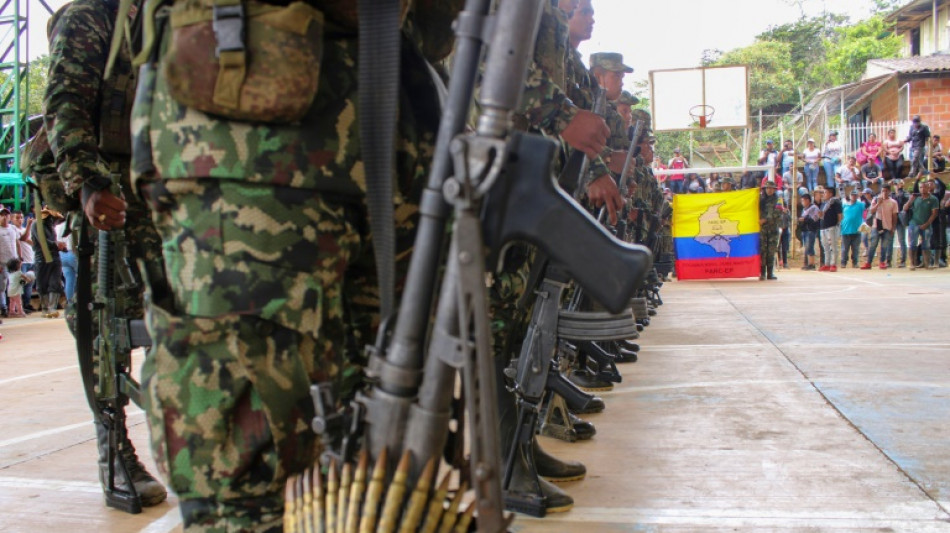
Colombia strikes ceasefire deal with main armed groups / Photo: Camilo FAJARDO - AFP

 African players in Europe: Mbeumo ends goal drought as United draw
 France's high school students plan fresh protests
 NZ bank in free speech row over 'explicit' sheep memes
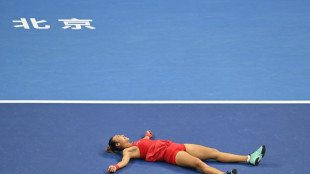 China Open champ Zheng withdraws from Wuhan citing fatigue

 Brewers edge Dodgers 2-1 in National League Championship Series opener
 Pope to have surgery to remove lung nodule
 Stocks rise as oil prices tumble after Trump hails 'energy ceasefire'
 Man City charges cloud hangs over Premier League season
 Top NATO commander set to issue warning to Russia over any attack

 Software, sprints, trolls: Singapore Grand Prix talking points
 Riyadh airport hit by fresh Houthi strike day after deadly attack

 Policymakers take on energy shock, rising debt at IMF-World Bank meetings
 Raphael Glucksmann elected centre-left French presidential candidate

 'Dizzy' Lazio join Inter at top of Serie A as Roma, Juve and Milan held
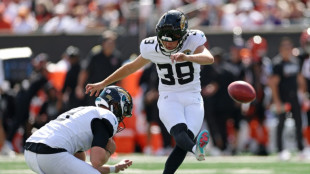 Jaguars edge Eagles as Packers beat Bears
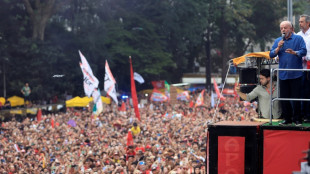
 Rays chase first MLB crown as Guardians try to snap drought
 Hurricane Simon churns off Mexican coast after shift in course
 'Dizzy' Lazio join Inter at top of Serie A as Roma and AC Milan held

 Man City must make 'own noise' amid financial scandal, says Maresca

 Jaguars down Eagles with wild field goal finish in London
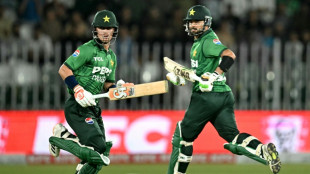 Sadaqat, Imran help Pakistan thump Sri Lanka to seal T20 series

 Man City shrug off uncertain future to beat 10-man Liverpool
 Conservation groups alarmed at marine mammals' deaths in Spain

 Tens of thousands urge climate action at Brussels demo
 Norway's Hagenes wins historic Paris-Tours classic
Colombia's government has agreed to a six-month ceasefire with the five largest armed groups operating in the country, President Gustavo Petro announced on New Year's Eve.
The truce was the main objective of Petro’s "total peace" policy, which aims to end the country’s armed conflict, which has persisted despite the dissolution of the Revolutionary Armed Forces of Colombia (FARC) in 2017.
The armed groups still operating in Colombia, the world's largest cocaine producer, are locked in deadly disputes over drug trafficking revenues and other illegal businesses, according to the Institute for Development and Peace Studies (Indepaz), an independent think tank.
"We have agreed to a bilateral ceasefire with the ELN, the Second Marquetalia, the Central General Staff, the AGC and the Self-Defense Forces of the Sierra Nevada from January 1 to June 30, 2023, extendable depending on progress in the negotiations," Petro tweeted.
Despite the government's efforts to negotiate with Colombia's various armed groups, which include a combined total of more than 10,000 fighters, it has so far failed to contain the spiral of violence engulfing the country. Indepaz recorded nearly 100 massacres last year.
- 50 years of conflict -
The National Liberation Army (ELN), the last recognized insurgency in the country, has been negotiating with the government since November.
The Segunda Marquetalia and Estado Mayor Central groups -- splinter factions of FARC which broke from the 2016 peace pact -- have held separate talks with the government.
AGC, the country's largest drug gang, is made up of the remnants of extreme right-wing paramilitaries that demobilized in the early 2000s.
The government is offering the groups "benevolent treatment from the judicial point of view" for the armed actors "in exchange for a surrender of assets, a dismantling of these organizations and the possibility that they stop exercising these illicit economies", Senator Ivan Cepeda recently told AFP.
Some dissidents refused to lay down their arms alongside their FARC comrades six years ago, when the fearsome rebel army signed the deal with Bogota to end more than five decades of conflict.
Colombia has suffered more than 50 years of armed conflict between the state and various groups of left-wing guerrillas, right-wing paramilitaries and drug traffickers.
When he took power last August, Petro, the country's first leftist president, vowed to negotiate with all Colombian armed groups as part of a "total peace" policy.
There are currently around 90 political and criminal groups operating in the country, according to Indepaz.
M.AlAhmad--SF-PST