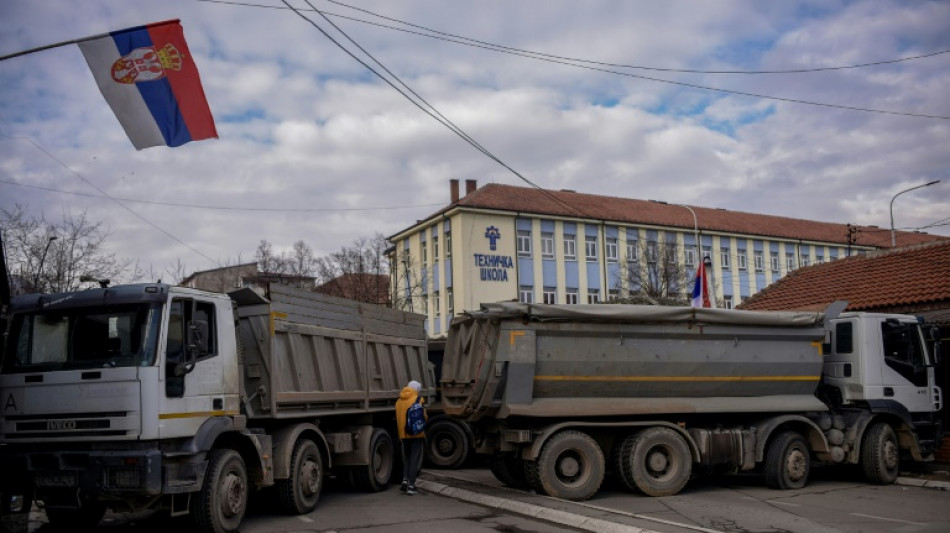
Kosovo's main border crossing with Serbia open as tensions ease / Photo: Armend NIMANI - AFP

 France schools protest rumbles on as Macron urges 'respect'
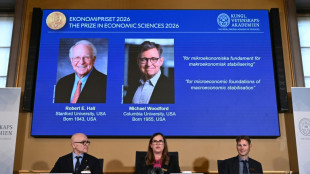 Americans Hall and Woodford win economics Nobel for stabilisation models
 MEXC Brings AI, TradFi and the Future of Trading to Life at TOKEN2049 Singapore
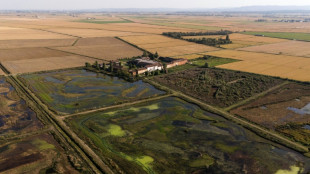 Italian rice farmer beats heat with biodiversity haven
 Stocks mixed as oil prices slip after Trump hails 'energy ceasefire'
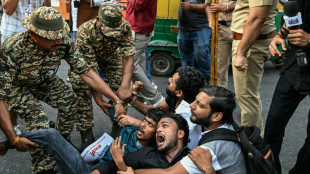
 Opposition, journalists allege police abuses during India protests
 DATA Network joins Sui and Walrus to scale the supply chain for AI training data
 Melbourne man linked to suspected flydubai hijacker condemns 'false accusations'
 North Korea fires 'several ballistic missiles' into Sea of Japan
 El Nino sets temperature record in key Pacific zone: EU monitor

 Nature does not respect borders: UN biodiversity chief
 World leaders urged to 'course correct' as UN nature goals fall short
 New York's notorious Rikers jail awaits elusive closure
 Unbeaten 49ers edge Seahawks while Vikings stay perfect
 Trump's 'energy ceasefire' sparks confusion as Russia strikes Ukraine
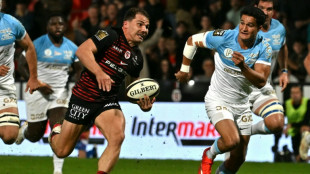 Dupont double helps Toulouse avoid Bayonne slip-up in Top 14
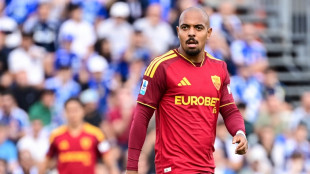
 Marseille snap losing skid with win at Troyes
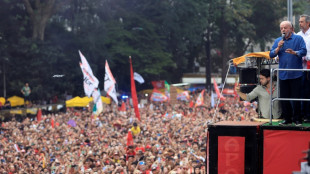 Lula stages mass rally ahead of Brazil's presidential run-off
 Poland holds suspect in alleged assassination plot against PM Tusk
 Russia hits Ukraine power plants despite Trump energy ceasefire claim
 Isco's Betis rise back above Real Madrid to third

 Haaland vows troubled Man City will 'stick together' after beating Liverpool
 Abhishek, Arshdeep guide India to T20 win over West Indies
 'Other Mommy' scares up N. American box office win
 Zelensky surprised, Moscow mum as Trump announces energy ceasefire
Kosovo's primary border crossing with Serbia was back open Thursday, dialling down growing tensions that had drawn international calls for de-escalation.
Barricades were dismantled on the Serbian side of the Merdare border point and Kosovo announced the crossing was open a day after Washington and Brussels urged both to ease a simmering crisis.
The latest trouble erupted on December 10, when ethnic Serbs put up barricades to protest the arrest of an ex-policeman suspected of being involved in attacks against ethnic Albanian police officers -- effectively sealing off traffic on two border crossings.
Serbian President Aleksandar Vucic announced removal of the barricades late Wednesday during his meeting with Kosovo Serb representatives near the border.
Kosovo police on Thursday said in a statement that the "Merdare border crossing point has been opened for traffic and has returned to full normality".
Kosovo declared independence from Serbia in 2008, after a bitter war in late 1990s.
But Belgrade still refuses to recognise it and encourages Kosovo's 120,000 ethnic Serbs to defy Pristina's authority -- especially in the north where they make up the majority.
- 'Controlled conflict' -
After the roadblocks were erected, Kosovar police and international peacekeepers were attacked in several shooting incidents, while the Serbian armed forces were put on heightened alert this week.
The European Union and the United States voiced concern over the situation, urged immediate de-escalation and said they are working with both Serbia and Kosovo leaders to seek a political solution to the crisis.
Political analyst Aleksandar Popov said tensions in Kosovo are so high that it would "only take one stray bullet" to significantly aggravate the situation.
However, he labelled the recent unrest a "controlled conflict" and an arm-wrestling contest between Belgrade and Pristina over the influence in the north, where authorities for years have been seeking a special status within Kosovo.
"Pristina gave Serbs the reason to protest by making arrests, the barricades were orchestrated by Belgrade and international peacekeepers mediated to prevent escalation.
"The minute it looked like it was getting out of hand, the West used diplomatic means to stop the whole thing," Popov told AFP.
- 'Feel cheated, abused' -
Around a dozen protesters who were still at a barricade site in Rudare, near Mitrovica, voiced dissatisfaction with the decision to remove the roadblocks.
"It makes no sense, we fought for rights that were not fulfilled, we feel cheated, abused," a 25-year-old man, who refused to give his name, told AFP.
"Why did we come to the barricades, if everything ended this way?" asked a 38-year-old protester, who also spoke on condition of anonymity.
In a move that initiated a calming of the situation, a Pristina court ordered Wednesday that the former police officer, whose detention Serbs cited as the main reason for erecting the barricades, be released from prison and placed under house arrest.
Northern Kosovo has been on edge since November when hundreds of ethnic Serb workers in the Kosovo police as well as the judicial branch, including judges and prosecutors, walked off the job.
They were protesting a controversial decision to ban Serbs living in Kosovo from using Belgrade-issued vehicle licence plates -- a policy that was eventually scrapped by Pristina.
The mass walkouts created a security vacuum in Kosovo, which Pristina tried to fill by deploying ethnic Albanian police officers in the region.
On Wednesday, Belgrade's ally Russia voiced support for Serbia and said it was "very closely" following the developments
Kosovo's 1.8 million population is predominantly ethnic Albanian.
W.AbuLaban--SF-PST