Cities face risk of water shortages in coming decades: study / Photo: Fred TANNEAU - AFP

 SGFX Creates a Standout Brand Experience at Forex Expo Dubai 2026

 Pope urges Europe to help combat 'deceit and lies' in international ties

 Injured Buttler to miss England ODI series in Pakistan
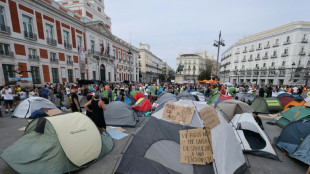 Madrid housing protesters vow to maintain pressure on government

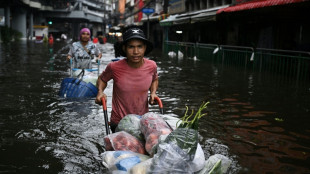 In kayaks or waist-deep in floodwater, shoppers return to Bangkok markets

 UK police probes Iran link to air base bomb scare: media

 Eala blasts into Asian Games quarters in just 55 minutes

 Taiwan gender-row boxer Lin Yu-ting guarantees Asian Games medal

 Comedian on trial for allegedly insulting Erdogan in standup show

 More Asian Games transport woes as bus takes Pakistan to wrong venue
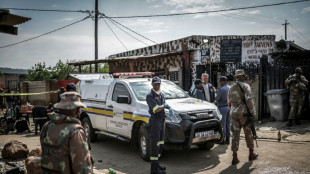 Death toll in South Africa bar shooting rises to 18
 Aide to Venezuelan opposition leader returns from exile

 Messi and Alcaraz love it, now padel takes step closer to Olympics

 Tolls mount in Thailand, Myanmar floods
 Why India's opposition wants top poll official out

 PU Prime Strengthens UAE Momentum with Strong Showing at Forex Expo Dubai 2026

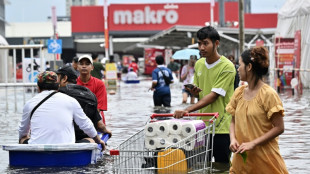 Eight dead in Thailand floods since mid-September

 Oil prices spike after Trump rejects Iran truce offer

 Taylor Swift sets new record at MTV VMAs
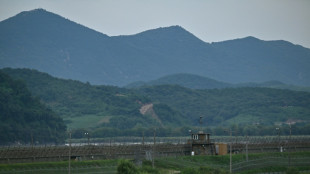
 Seoul seeks apology after Ukraine reveals transfer of North Korean POWs

 Messi on target again but Miami downed by Columbus

 In Washington's political cauldron, a fight over foie gras
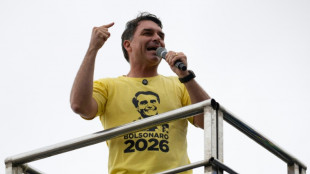 Flavio Bolsonaro: political heir in his father's shadow

 Ravens grab last-second win in Rio as Commanders stop Seahawks

 USA rallies to capture 11th consecutive Presidents Cup

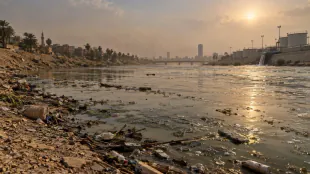
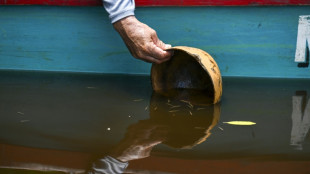
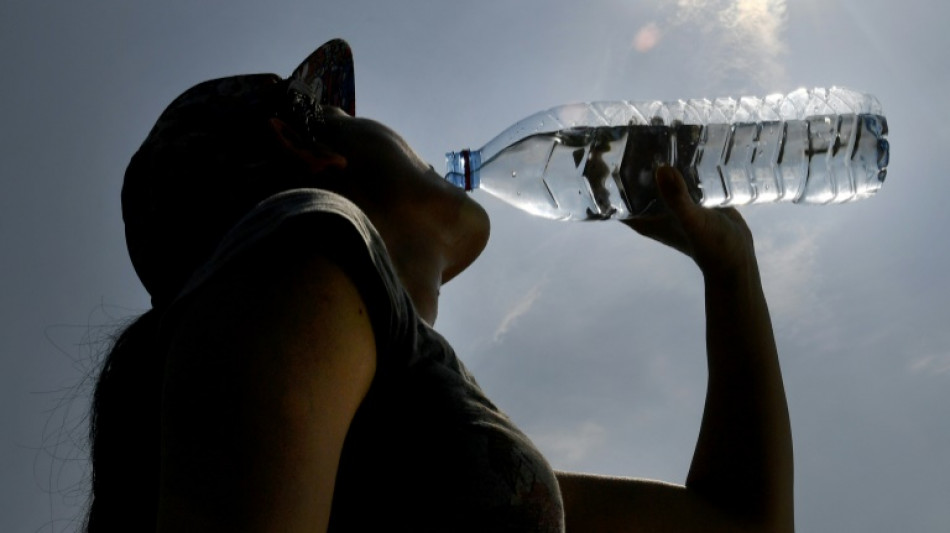
Hotspots of water scarcity could emerge by the 2020s and 2030s across the Mediterranean, southern Africa, and North America, as climate change intensifies droughts, a new study said Tuesday.
Scientists have established that climate change is making droughts longer, stronger and more frequent, but less well understood is when and where these extreme dry conditions could trigger acute shortages of drinking water.
South Africa's Cape Town faced the threat of a "Day Zero Drought", where the taps nearly ran dry for millions of people in 2018. India's Chennai faced a similar crisis the following year.
In new peer-reviewed research in the journal Nature Communications, researchers warned that the frequency of "Day Zero" episodes could increase much sooner than previously anticipated.
To study how global warming might impact these events in future, researchers used the latest climate models to estimate when water demands would exceed supply from rainfall, rivers and reservoirs.
The simulations showed that "Day Zero" hotspots are likely to emerge in 35 percent of drought-prone regions within the next 15 years, with the Mediterranean, southern Africa, and parts of North America most affected.
By 2100, such conditions could threaten 750 million people globally -- roughly two thirds in cities and the rest in rural areas -- under a high emissions scenario, the study said.
Urban populations in the Mediterranean are most exposed, with 196 million city dwellers at risk, while rural areas in Asia and northern and southern Africa are disproportionately impacted.
Human-induced climate change and increased water consumption were both factors driving "Day Zero" events, the study said.
- Not a distant threat -
Even if global warming is held at 1.5 degrees Celsius above preindustrial levels "hundreds of millions of people will still face unprecedented water shortages", said Vecchia Ravinandrasana, one of the study's authors, in a press release.
"Our study shows that global warming causes and accelerates Day Zero Drought conditions worldwide," said Ravinandrasana from Pusan National University in South Korea, which led the research.
The world is on track to shoot past 1.5C as early as this decade. Under the Paris climate pact, nations have agreed to limit global temperature rises to well below 2C to avoid the worst impacts.
The study could not account for groundwater, the authors said, overlooking its critical role "as a vital buffer during drought" particularly in regions where it is a key water source.
Global warming is altering the water cycle, disrupting rainfall and spurring droughts in some parts of the world and devastating rainfall in others.
Cape Town narrowly avoided a "Day Zero" episode during a multi-year drought when rivers hit record lows and major reservoirs drained to near empty.
But other cities have experienced similar crises, while major capitals like Los Angeles "remain highly vulnerable", the study said.
Such events were "not just a future concern in a warming world, but also a near-term reality" and better planning was needed.
H.Nasr--SF-PST