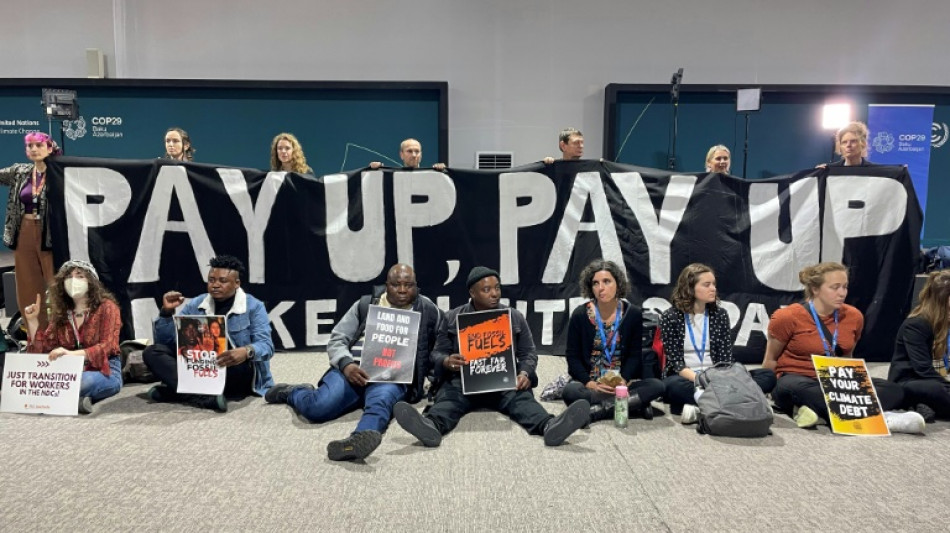
'Steep climb' ahead as clock ticks on stalled climate talks / Photo: Laurent THOMET - AFP

 OpenAI cancels release of newest model due to safety concerns

 AI bosses head to White House as safety pressure builds
 Batista sacked as Costa Rica coach after six months
 Flooding, power cuts and evacuations as Hurricane Polo slams Mexico

 Dodgers eye three-peat, Red Sox face Yankees as MLB playoffs begin
 Certification of Boeing 737 MAX delayed by software bug

 Celine Dion wows Paris Fashion Week with surprise gig
 AMD buys firm founded by AI 'godmother' Fei-Fei Li
 Italy rebound in Turkey as France win late in Belgium

 Pope says concerns about AI 'should be taken seriously'
 Hurricanes to hoist title banner as NHL season begins
 Justice Alito steps aside from major US climate case

 Willis happy with England exile after retains Top 14 player award
 Spain housing protests keep heat on government as PM seeks new law
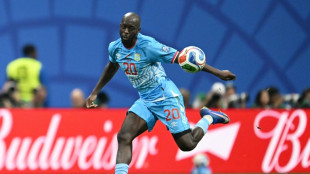 Wissa spoils Zimbabwe homecoming as DR Congo win AFCON qualifier

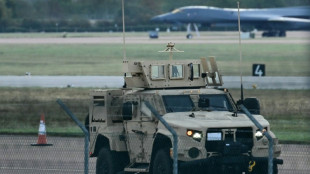 UK police release on bail five men held over airbase incident

 Ex-All Black Plummer 'sure' New Zealand will find Super Rugby solution

 Shein sees 1% revenue growth in first half of 2026
 Netherlands regrets Israel retaliation in settlements row
 Moscow seizes Russian assets of German food retailer Metro
 Bulgarian spirits inflamed by new rakia rules

 Documentary turns camera on architect Peter Zumthor
 UK police say releasing on bail five men held over airbase incident
 Trump admin finalizes reversal of US fuel economy standards
 US says no China arms sale plans after envoy cites Trump offer
Pressure mounted on rich nations Wednesday to commit nearly $1 trillion a year in assistance for poorer countries as time runs out to strike a deal at the COP29 climate talks.
With two days left to break the impasse in Azerbaijan, wealthy nations have still not revealed how much they are willing to provide the developing world to cope with climate change.
Developing nations, from islands imperilled by rising seas to drought-afflicted states, contribute the least to global warming but will need trillions to prepare for its impacts.
They say rich historic polluters have a duty to help, and are clamouring for an existing commitment of $100 billion a year to be increased many times over at COP29.
Talks have gone around in circles for over a week but a slimmed-down draft is expected around midnight on Wednesday, ensuring a sleepless night for negotiators.
"I'm sure we will have some long days and hours ahead of us... This will be a very steep climb," EU climate commissioner Wopke Hoekstra told reporters.
Susana Muhamad, environment minister of Colombia, said it was difficult to speed things up "when there's nothing to negotiate".
"The concern is that at this moment, nobody is putting a figure on the table," Muhamad told delegates.
Rich countries on the hook for climate finance say they cannot show their hand until they know what they are agreeing to.
"It is only once we have established that, that we can have a meaningful conversation about the exact amount," said Hoekstra.
"Otherwise... you will have a shopping basket with a price, but you don't know exactly what is in there."
- China role -
Developing countries, excluding China, will need $1 trillion a year in foreign assistance by 2030 to wean off fossil fuels and adapt to worsening disasters.
This number rises to $1.3 trillion annually by 2035, according to an expert economic assessment commissioned by the United Nations.
Rich countries, facing political and fiscal pressure at home, insist they cannot cover this cost on their balance sheets alone.
But developing countries want public grants, not loans and promises of private capital, to make up the bulk any new finance commitment.
Australian climate minister Chris Bowen, one of the envoys leading the finance negotiations, said he had heard three figures being asked of rich nations: $440 billion, $600 billion and $900 billion.
Delegates from several countries told AFP these numbers were not proposed by developed nations themselves.
"Many parties told us they need to see certain building blocks in place before they can put forward their suggested number," Bowen told COP29 delegates.
Chief among these is a demand for emerging economies such as China and Saudi Arabia, which have grown wealthy yet remain classified as developing nations, to chip into the pot.
Danish climate minister Lars Aagaard said his country would like to see the United States, China and Middle Eastern nations pay their fair share.
"There are countries out in the world that have an income level that is close to or above the poorest European countries, and we think that it's only fair to ask them to contribute," Aagaard told AFP.
- 'Receding hope' -
Bowen said some countries had drawn a "red line" over the type of money that could be included in any deal, insisting it come "from a wide range of sources and instruments".
Bolivia's chief negotiator, Diego Pacheco, said there was a "steadily receding hope of getting an ambitious" deal and cited $200 billion as one number in circulation.
"Only 200 billion," he told the conference. "This is unfathomable, we cannot accept this."
The lead negotiator of COP29 hosts Azerbaijan, Yalchin Rafiyev, urged countries to "pick up the pace".
"Let us embrace the spirit of collaboration, compromise and determination to ensure that we leave this conference with outcomes that make a real difference," he said.
U.AlSharif--SF-PST