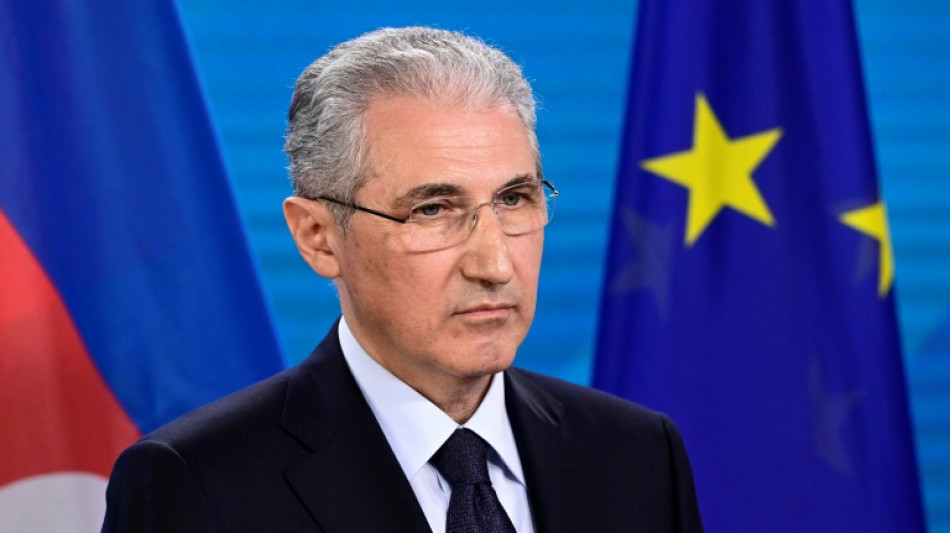
Climate talks host urges rich nations to break stalemate / Photo: JOHN MACDOUGALL - AFP

 MEXC Unveils "WE SEE YOU" Brand Visual Refresh, Putting People Behind Every Trade in Focus
 Thai capital cleans up after deadly floods
 NATO, EU allies rally to Estonia after 'sabotage' blamed on Russia
 Families demand justice for Cameroon's 'nightmare' wave of murdered women
 Tebas says Man City should face 'most severe' sanctions if guilty of rule breaches
 Pochettino calls Man City success 'a period of deception'

 Settler attack on West Bank village injures Israeli forces, drawing rare rebuke
 Mystery over UK airbase scare after reports no explosives found
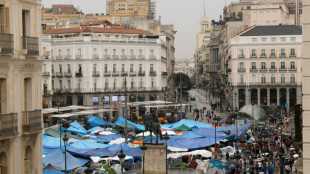 Spanish govt races to adopt housing law under protest pressure
 Estonia slams Russian 'sabotage' after arson attack on defence company
 Slovenia sees surge in '.si' sites after Trump hypes 'super intelligence'
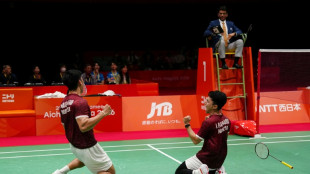
 'Like a dream' for An as Games organisers 'sorry' for latest mix-up
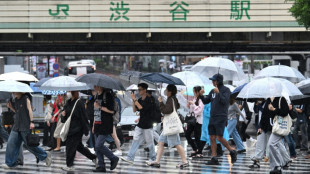 Tokyo suffers longest streak of rainy days on record

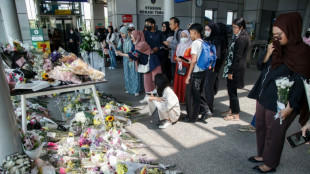 Indonesia charges train driver over crash that killed 16 women
 صندوق النقد العربي يواصل دعم الاستقرار المالي والنقدي في المنطقة
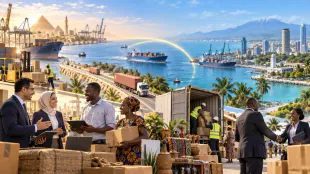 وزارة المالية تدعم توسع الشركات المصرية في السوق التنزانية
 محمد بن زايد يزور السعودية بعد فترة من الفتور في علاقات البلدين

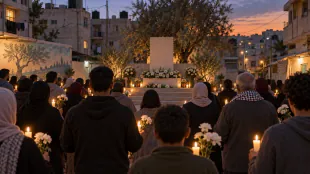 مخيم البداوي يحيي ذكرى مقتل فتح شريف بفعالية جماهيرية
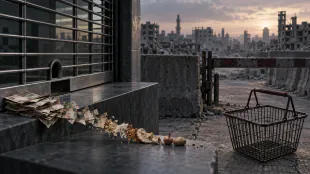
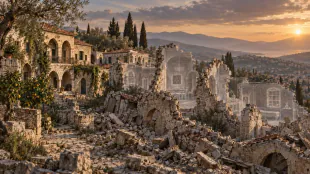 تدمير البيوت التراثية يهدد الذاكرة السياسية والعمرانية لجنوب لبنان
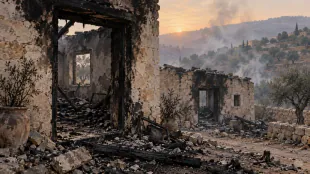
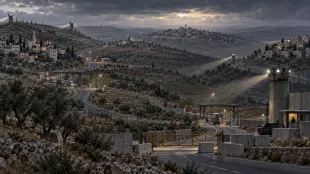 اقتحامات واعتداءات إسرائيلية تسجل في عدة مناطق بالضفة الغربية

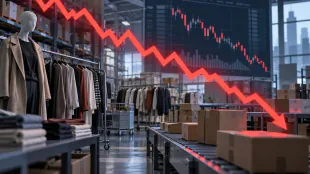 سهم شي إن يتراجع 14% رغم إعلان أول أرباح منذ الطرح
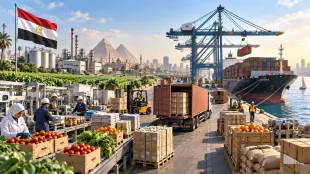
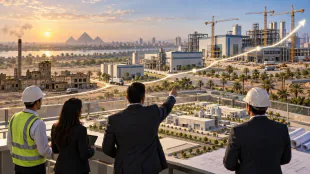 مجموعة الغندور ترصد 3 مليارات جنيه لتوسعات جديدة حتى 2030
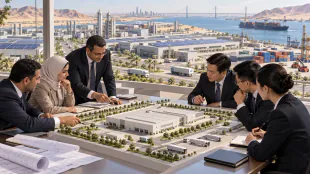
 العربي الأفريقي الدولي يوسع برامج إعداد القيادات المصرفية

 إنفيديا تطلق منصة مفتوحة لضبط صلاحيات وكلاء الذكاء الاصطناعي

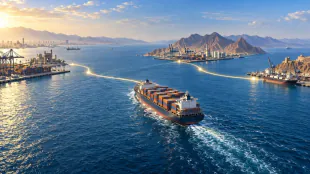 دي بي ورلد تدشن خطاً بحرياً بين الهند والفجيرة وعُمان واليمن
The host of this year's UN climate summit on Wednesday urged governments to start compromising to break a deadlock over how to help poorer countries tackle global warming.
This November's COP29 summit in gas-rich Azerbaijan is meant to produce a global agreement on how much rich nations should pay developing countries for climate assistance, but talks have stalled.
While poorer nations are the least responsible for carbon emissions, they suffer the most from a warming planet.
Developing countries need massive investments in energy systems to cut their own carbon footprints and money to strengthen defences against the effects of global warming.
But a diplomatic meeting in Bonn last month ended in stalemate. Countries were unable to advance on an issue that has eroded trust at climate talks for years.
In a letter to the roughly 200 nations that have signed up to UN climate accords, COP29 president Mukhtar Babayev lamented the absence of "necessary progress".
Time was running out, he warned.
"We clearly need a rapid increase in the pace of our work," wrote Babayev, a government minister and former executive at Azerbaijan's national oil company.
"Time lost is lives, livelihoods and the planet lost," he added.
"We call on all parties to increase the pace of their work and move on from their early negotiating positions."
- 'Supercharge' efforts -
Babayev's appeal comes in the hottest year on record and as extreme heatwaves, floods and wildfires batter communities around the globe.
UN climate chief Simon Stiell, whose own homeland of Grenada was devastated by hurricane Beryl earlier this month, urged countries to put the fight against global warming back on the political agenda.
"Rather than just counting the costs of climate carnage, all governments must supercharge efforts to prevent them," said Stiell.
He was speaking during a visit to the island of Carriacou, where his grandmother's house was among many destroyed.
"Standing here, it's impossible not to recognise the vital importance of delivering climate finance," he added.
Wealthy nations have been under pressure to commit to new financing targets that go well beyond the $100 billion a year they promised in 2009.
Developing nations excluding China will need about $2.4 trillion a year in climate investment by 2030, according to an expert assessment commissioned by the UN.
That is nearly 25 times more than the present levels.
But nations are nowhere near agreeing on a dollar aid figure, with talks bogged down over who should pay, what form the money should take, and who should receive it.
- Informal talks -
Under a 1992 climate accord, only a small handful of the wealthiest industrialised nations at the time were obligated to pay climate finance.
Some want the pool of contributors widened, most notably to include China, which is today vastly wealthier than 30 years ago, and the largest emitter of greenhouse gases.
But this has been a non-starter for developing nations, who have accused wealthy countries of trying to shirk their responsibility.
To break the ice, Azerbaijan will host the negotiating teams for an informal two-day retreat starting July 26.
They have named two experienced diplomats -- Dan Jorgensen of Denmark and Yasmine Fouad of Egypt -- to help the parties make headway.
Babayev said the impasse would "not be solved by negotiators alone", calling for political leadership on the sidelines to help move discussions toward consensus.
X.Habash--SF-PST