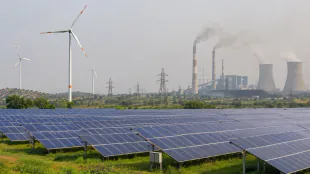
Early heat wave breaks records in western US / Photo: Jim WATSON - AFP

 Suede and Manic Street Preachers Deliver Electrifying Co-Headline Performance at Motorpoint Arena
 Trump Reduces Public Appearances Amid CIA-Mossad Warnings of Iranian Drone Plot

 Make-A-Wish Announces 2026 Starblazer Award Honorees; Allied World Becomes First Corporate Founder

 فنان من غزة يفوز بجائزة "كاتب الشجاعة" البريطانية

 عصام غالب عواد: الفلسطيني في قفص الاتهام.. حين يُجبر صاحب المأساة على الاعتذار قبل أن يرويها

 Chelsea Transfer News: Real Betis Star Jose Antonio Morante Rejects Move to Stamford Bridge

 إيطاليا تؤكد دعمها الكامل لانضمام ألمانيا لبرنامج المقاتلات العالمية

 الرئيس عباس في ذكرى الاستقلال: حق فلسطين لا يسقط بالتقادم والشباب ركيزة البناء

 Grave of the Fireflies: Takahata Isao’s Lifelong Quest for Realism

Scorching temperatures broke early summer records in the western United States, before the region's first major heat wave of the year eased slightly Friday.
Millions of people in California, Nevada, Arizona, New Mexico and Texas have been under excessive heat warnings this week.
While the region is accustomed to sweltering heat, climate change worsened by human activity has led to more extreme weather and the current heat wave has been historically early.
Las Vegas recorded 111 degrees Fahrenheit (44 degrees Celsius) on Thursday, marking the earliest date in the year that temperature has ever been reached.
"The past few days have been HOT," observed the city's National Weather Service, publishing a lengthy list of locations where daily records have tumbled.
Among them, the notoriously scorching Death Valley desert reached 122F.
An excessive heat warning is in place until Saturday in Las Vegas, where libraries have been converted into cooling stations for residents to escape the furnace, and some events have been forced to move indoors.
At a Trump rally in Arizona, nearly a dozen people were taken to hospitals with heat exhaustion, fire officials told a local ABC affiliate.
Hiking at the popular Camelback Mountain and Piestewa Peak trails in the state's capital city Phoenix was prohibited due to the heat.
"With temperatures hitting near 110 degrees, it's not the day for hiking," the Phoenix Fire Department posted on Facebook.
Coastal regions have largely been spared.
But in a potentially ominous sign of the summer months to come, a number of small wildfires broke out across California.
The largest, around 150 miles northwest of Los Angeles, burned 3,600 acres (more than 1,450 hectares) of the agricultural Central Valley before being largely contained by firefighters.
After about 20 years of drought and in a climate that is slowly becoming more arid, California has seen an alarming number of destructive fires in recent years.
Wildfires are a natural -- and necessary -- part of the region's life cycle.
But climate change, caused by humanity's burning of fossil fuels that pumps greenhouse gases into the atmosphere, is making them bigger, hotter and more unpredictable.
F.Qawasmeh--SF-PST