Brazil mayor's mammoth task: rebuild from floods, prevent more / Photo: Nelson Almeida - AFP

 Amaze Holdings (NYSE: AMZE) Executes Binding LOI to Acquire BullionFX | Alchemy, a Decentralized Gold-Backed Financial Ecosystem for Valued at US$155 Million

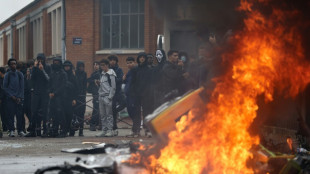 Clashes between French teens, police as school blockades intensify
 Stocks move sideways despite oil moving lower
 African leaders to gather in Egypt for business summit
 UK decides against charging foreign visitors for museums

 Dallaglio to sell England World Cup winners' medal

 Brazil come from behind to beat Australia 4-2 in friendly

 Ruthless An retains Asian Games badminton crown as Kunlavut triumphs

 Alonso to stay with F1 team Aston Martin in 2027
 China badminton 'still strong' despite Asian Games slump
 'Exceptional' Turner painting shown in Rome before sale
 European stocks climb as oil dips

 Spain aims to ban evictions until 2030 amid housing protests

 Kunlavut first Thai man to win Asian Games badminton singles gold
 French far right says antisemitism claims part of 'total war' to derail presidency bid
 'Gift from God': Rain brings relief from Indonesia toxic haze
 Ex-world snooker champion jailed for 7 years for child sex crimes
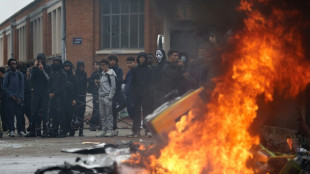 French teens clash with police as school blockades intensify

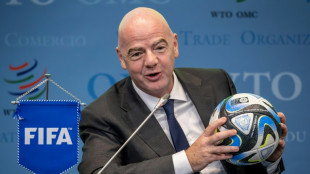 FIFA accuses UEFA of 'misinformation campaign' in bid for World Cup papers

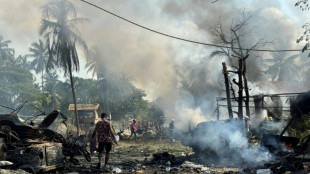 Myanmar airstrike toll hits 50 as families gather dead
 STARTRADER Raises Lloyd's of London Client Fund Insurance to USD 30 Million in Aggregate
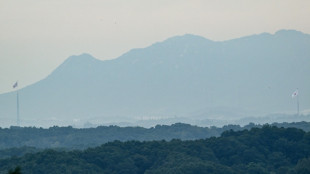 North Korean DMZ landmine blasts 'violation of armistice': Seoul
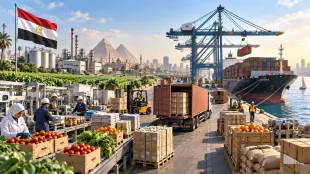 مصر تستهدف زيادة حصة الصادرات السلعية إلى 30% من الناتج المحلي
 العربي الأفريقي الدولي يوسع برامج إعداد القيادات المصرفية
 مجموعة الغندور ترصد 3 مليارات جنيه لتوسعات جديدة حتى 2030

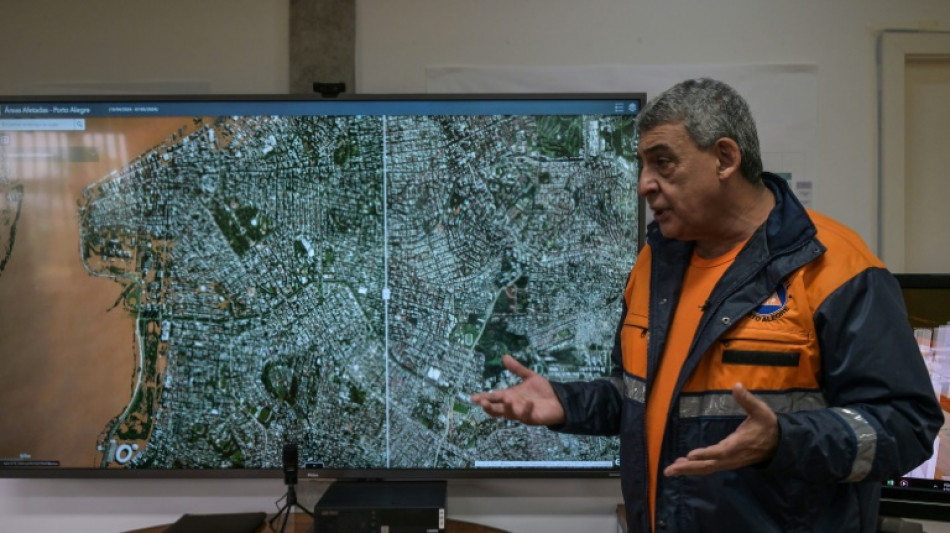
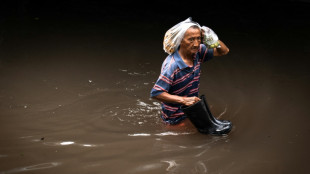
With his Brazilian city deep in brown floodwaters for the past three weeks, the mayor of Porto Alegre faces a herculean challenge: rebuild from the disaster while racing against the clock to prevent new ones.
Weeks of torrential rain in the southern state of Rio Grande do Sul have devastated Porto Alegre, its capital, submerging more than 1,000 kilometers (620 miles) of streets in the city of 1.4 million people and cutting off entire neighborhoods, rich and poor alike.
Wearing a blue-and-orange emergency workers' jacket with reflective strips, Mayor Sebastiao Melo stands before an aerial image of the city in the local environment ministry building, which is serving as emergency operations headquarters, since it was spared from the floods -- unlike city hall.
In an interview with AFP, the 65-year-old centrist, who has the look of a man running on minimal sleep, parsed the fallout of what he calls "Brazil's worst-ever climate episode," from the huge human toll -- more than 150 killed and around 100 missing statewide -- to the massive financing needed for recovery and adaptation.
Q: Around 30,000 people have been left homeless. What can the city do for them?
"Our first priority was rescuing people, getting them to shelters... The next phase is to rebuild lives. We have different instruments to do that, such as 'solidarity lodging,' where you live in a neighbor's house and the government pays them... Also assistance to buy new (housing), and subsidized rent.
"We're looking at building one or two 'solidarity cities' with tents, a city within the city. Because we currently have 153 shelters, and that's impossible to manage... We have schools acting as shelters, and we want to get them operating normally again."
Q: Will these neighborhoods make a full recovery?
"We're cleaning up as the water goes down. How many homes can be recovered? I can't say. In some places, no one will be able to go back. Others can be repaired. There's a lot of mud in all the affected areas, which also clogged the drainage system.
"We need to clean that system fast. Otherwise the mud will harden, and any new rain will flood the city."
Q: How much time and money will it take to rebuild?
"We'll only know the true size of what happened to the city's infrastructure when the water recedes. It's still impossible to say. Porto Alegre's flood protection system is from the 1970s. It needs to be totally revamped. I'm talking about massive investments, involving levees and pumps.
"And Porto Alegre can't fix things alone... because the Guaiba river (which runs through the city) is fed by four other rivers, which received an enormous amount of rain. All that water descended on Porto Alegre."
Q: How do you avoid future catastrophes?
"We need a new plan. The world is watching us. I just recorded a video for international institutions asking for the world's help. We need money, but also technical expertise and new technologies.
"For a city to be resilient, it has to do things differently. You can't just rebuild in the same mold. That means you need a lot of money, which the city alone doesn't have."
Q: Many scientists say climate change is increasing the frequency and intensity of disasters like this. Is Porto Alegre facing a race against the clock?
"Yes. No city in the world has all the parameters for sustainability... We've been working on a climate action plan for some time. Now we have to accelerate it even more. Brazil, Rio Grande do Sul and Porto Alegre together -- because the climate issue doesn't stop at the city limits."
A.AlHaj--SF-PST