
PM Sunak warns UK must boost food production / Photo: Toby Melville - POOL/AFP

 Indiana River Otters Make Comeback After Decades of Conservation Efforts
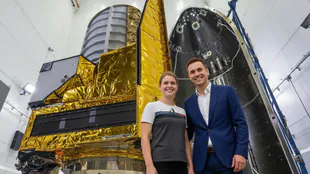
 Tamil Film 'Arivu' Selected for 57th International Film Festival of India

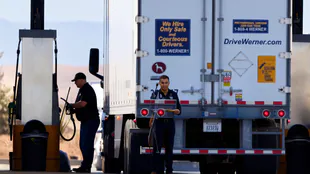 أسعار الديزل في الولايات المتحدة تنخفض دون 6 دولارات لأول مرة منذ شهرين

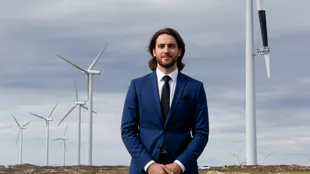 Why Wind Farms Paint One Turbine Blade Black to Protect Birds

 Dianna Russini Seeks Super Bowl Radio Row Credential Amid Media Return

 Clare Luvanga Leads Washington Spirit to Third Straight NWSL Championship with 2-1 Win

 Malta Stuns Sweden with Late Penalty Comeback in Rugby Europe Trophy

 BingX: Major Announcement of Far-Reaching Significance

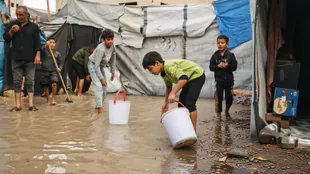 أونروا تحذر من أزمة إنسانية في غزة بسبب القيود على الإغاثة
 Big Brother’s Omar El Mayer Addresses Backlash, Confirms Relationship with Rhianna Collins
The UK needs to reduce its reliance on imports of fruit and vegetables, Prime Minister Rishi Sunak told farmers on Tuesday, as he sought to make food security a top priority against climate and geopolitical threats.
Sunak hosted some 70 farmers and other growers at his Downing Street office and residence in central London, telling them they were "vital to the security and the fabric of our country".
The "farm to fork" summit coincided with the publication of the government's first food security index, to "monitor the impacts of external factors, such as Russia's barbaric invasion of Ukraine or extreme adverse weather events" on supplies.
But it also comes as Sunak seeks the traditional support of rural voters for a general election expected later this year, with indications that they may back the main Labour opposition instead of his ruling Conservatives.
The past 18 months have been the wettest on record in England, and second wettest six months across the UK, hitting crop yields and putting pressure on farmers.
Food delivery problems from the European mainland have also bitten since Brexit, while production costs have risen and recruitment of foreign seasonal workers have been hit by new immigration requirements.
The government's new index shows that Britain produces 17 percent of the fruit and 55 percent of the vegetables that end up on British plates -- well behind meat, dairy and grains.
British agriculture provides around 60 percent of the food consumed in the UK, but farmers fear this share is falling.
All areas of farming –- arable, livestock, poultry, horticulture and dairy –- are expected to decrease production over the next year, according to a recent survey by the National Farmers Union (NFU).
Several demonstrations have taken place in recent months against the post-Brexit agricultural policy of Sunak's Tory government, which has been in power for 14 years.
The UK has signed several trade deals since leaving the EU in 2020 but farmers say some of the deals, and a lack of import checks, is allowing poorer quality food to come into Britain from countries with less stringent regulations.
A policy in England of paying farmers to create habitats for environmental reasons was also taking land out of food production, they argue.
T.Ibrahim--SF-PST


