
Australia's Great Barrier Reef hit by record bleaching / Photo: DAVID GRAY - AFP

 Kuwait and Egypt Sign Eight Agreements to Expand Strategic Partnership

 تقارير إسرائيلية تكشف عن محاولات نتنياهو وزملائه للتأثير على نتائج الانتخابات عبر استهداف الفلسطينيين

 بنك القدس يتعهد بتأمين احتياجات مرضى السكري خلال أمسية توعوية في رام الله

 AI Job Losses at NAB, Qantas, Canva and Atlassian Signal Market Shift, Not Workforce Collapse

 Owner Review: 2023 Volvo XC60 Recharge Exceeds Expectations for Calgary Driver

 Indiana River Otters Make Comeback After Decades of Conservation Efforts
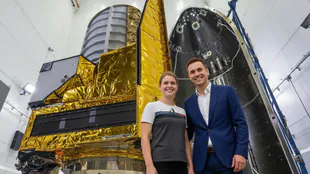
 Tamil Film 'Arivu' Selected for 57th International Film Festival of India

 أسعار الديزل في الولايات المتحدة تنخفض دون 6 دولارات لأول مرة منذ شهرين

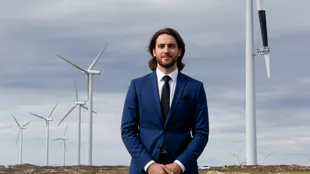 Why Wind Farms Paint One Turbine Blade Black to Protect Birds
Australia's spectacular Great Barrier Reef is experiencing its worst bleaching event on record, the country's reef authority reported on Wednesday.
Often dubbed the world's largest living structure, the Great Barrier Reef is a 2,300-kilometre (1,400-mile) long expanse, home to a stunning array of biodiversity including more than 600 types of coral and 1,625 fish species.
But aerial surveys conducted by the scientists show about 730 out of more than 1,000 reefs spanning the Great Barrier Reef have bleached, the authority said.
"The cumulative impacts experienced across the reef this summer have been higher than previous summers," the federally funded Marine Park Authority said in a statement.
This event is the fifth mass bleaching on the reef in the past eight years.
Bleaching occurs when coral expel microscopic algae, known as zooxanthellae, to survive. If high temperatures persist, the coral can eventually turn white and die.
The Reef Authority’s chief scientist Roger Beeden said climate change posed the biggest threat to reefs globally.
"The Great Barrier Reef is an incredible ecosystem, and while it has shown its resilience time and time again, this summer has been particularly challenging," he said.
- Recovery in doubt -
AFP journalists visited one of the worst-impacted areas of the Great Barrier Reef this month.
Lizard Island, a small slice of tropical paradise off Australia's northeast tip that is usually teaming with vibrant coral life, resembled a watery grave.
Marine biologist Anne Hoggett, who has lived and worked on Lizard Island for 33 years, said when she first arrived, coral bleaching only occurred every decade or so.
Now, it is happening every year, she said, with about 80 percent of vulnerable Acropora corals on the Lizard Island reef suffering bleaching this summer.
"We don't know yet if they've already sustained too much damage to recover or not," Hoggett told AFP.
Australia has invested about Aus$5 billion ($3.2 billion) into improving water quality, reducing the effects of climate change, and protecting threatened species.
The country is one of the world's largest gas and coal exporters and has only recently set targets to become carbon neutral.
Whether these efforts will be enough for the reef to keep its World Heritage Status will be examined by UNESCO later this year.
I.Yassin--SF-PST


