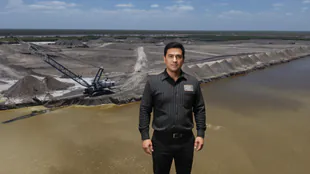
Serbia backs out of controversial Rio Tinto lithium mine: PM

 Kubayi Warns Residents to Vacate Hijacked Buildings as State Prepares Seizures

 Van Gogh’s ‘Châtaigniers en Fleurs’ Sets $285m Record at Sotheby’s

 محكمة الاحتلال تمدد اعتقال مدير مستشفى كمال عدوان دون تهمة

 Global Scams Remain Widespread: Nearly Two in Three Adults Worldwide Report Scam Encounters, 9% Lost Money

 OPEC Chief: Oil to Remain Major Energy Source for Decades Amid Global Shift

 Hyundai Offers £1,000 Deposit Contribution on Black Friday for Tucson, Santa Fe, Kona, Ioniq 9 and Bayon
Serbian authorities have abandoned plans to build a controversial lithium mine, the prime minister said Thursday, following weeks of protests against the project set to be built by Rio Tinto.
The surprise U-turn from the government comes months ahead of likely parliamentary elections with President Aleksandar Vucic's administration looking to shore up support from voters following weeks of protests that gained traction across the Balkan country.
"We have fulfilled all the demands from the environmental protests and have put an end to Rio Tinto in the Republic of Serbia," said premier Ana Brnabic during a televised address.
"Everything about the Jadar project is finished," she added, referring to the mine that was set to be built in western Serbian.
Vast deposits of lithium -- a key component for electric car batteries -- are found around the western town of Loznica, where the Anglo-Australian company had bought up land and was awaiting a final green light from the state to begin mining.
Rio Tinto discovered lithium reserves in the Loznica region in 2006.
The company had intended to invest $2.4 billion (2.12 billion euros) in the project.
Critics of the project, however, accused Vucic's government of paving the way for illegal land appropriations and brushing aside environmental concerns.
L.AbuAli--SF-PST