-
 Tokyo suffers longest streak of rainy days on record
-
STARTRADER Raises Lloyd's of London Client Fund Insurance to USD 30 Million in Aggregate

-
 Indonesia charges train driver over crash that killed 16 women
-
North Korean DMZ landmine blasts 'violation of armistice': Seoul

-
 تدمير البيوت التراثية يهدد الذاكرة السياسية والعمرانية لجنوب لبنان
-
أزمة السيولة والوصول إلى الحسابات تضيق الخناق الاقتصادي على غزة

-
 أحمد اليوسف يوضح ملابسات تصريح أعمار لاعبي منتخب الكويت
-
نهر الليطاني يعود إلى واجهة الخطاب الإسرائيلي بشأن جنوب لبنان

-
 السعودية تواجه العراق في قمة خليجية لحسم العلامة الكاملة
-
سلام يبحث مع روبيو في واشنطن تفعيل آلية التنسيق الثلاثية

-
 العراق يستضيف خليجي 28 وبغداد والبصرة تتسابقان على تنظيم المباريات
-
ترمب ينتقد إفراج بريطانيا عن خمسة مشتبه بهم في مخطط قاعدة جوية

-
 وليد الدغسني يحول فضاء «البروفة» إلى مختبر بصري للحياة
-
روبيو يرجح ضلوع جهة أجنبية في مخطط استهداف قاعدة فيرفورد

-
 رجا بهلول يبحث العلاقة المتبادلة بين الثقافة السياسية ونظام الحكم
-
مهرجانات الخريف تحول مواسم الحصاد إلى وجهات سياحية حول العالم

-
 حريق منزلين فلسطينيين في هجوم لمستوطنين على جالود جنوب نابلس
-
Ruthless An makes history to retain Asian Games badminton crown

-
 Sabalenka 'fresh' for first tournament since losing No.1 spot
-
Australian central bank lifts key interest rate to 15-year high
-
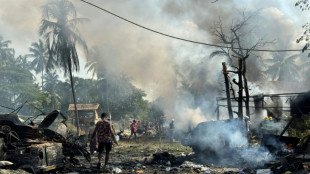 Myanmar airstrike death toll rises to 50: aid workers
-
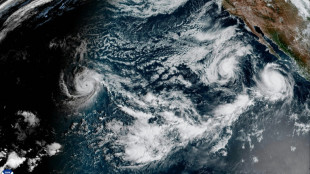
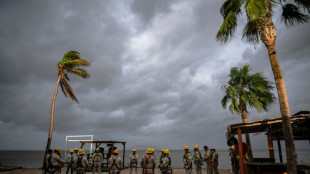
Polo makes landfall in Mexico as Category 3 hurricane
-
 North Korean DMZ landmine blast 'violation of armistice'
-
South Korea team latest to be bussed to wrong Asian Games venue

-
 South Korea volleyball team latest to be bussed to wrong Games venue
-
Bears thrash Eagles 27-7 as third-string QB Keenum shines

-
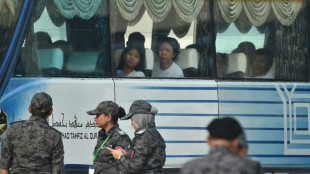 Malaysia starts sending Myanmar migrants home
-
All Blacks name veteran Taylor captain as Mo'unga seizes 10 jersey

-
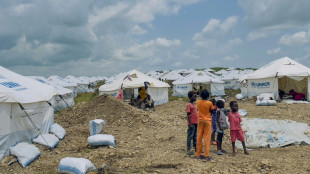 8.3 mn refugees at risk due to 'severe' funding cuts: UN
-
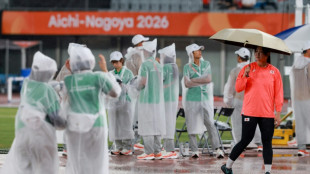
Race against time as Asian Games cricket quarter-finals washed out
-
 Stocks drop and oil rises as Hormuz hopes fade
-
India turns to corals and seagrass to shield against rising seas
-
 OpenAI cancels release of newest model due to safety concerns
-
Manchester City's Premier League charges: What comes next?

-
 AI bosses head to White House as safety pressure builds
-
Brazil's cellphone crime: a security nightmare in every pocket

-
 Batista sacked as Costa Rica coach after six months
-
Russia pummels Kyiv in latest deadly attack
-
 Flooding, power cuts and evacuations as Hurricane Polo slams Mexico
-
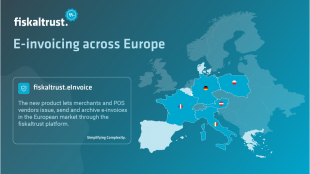
fiskaltrust launches e-invoicing across Europe
-
 NFL Giants obtain QB McCarthy from Vikings
-
Dodgers eye three-peat, Red Sox face Yankees as MLB playoffs begin

-
 Deal for evicted Spanish pensioner as PM seeks new housing law
-
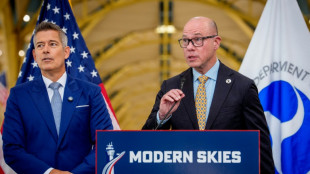
Certification of Boeing 737 MAX delayed by software bug
-
 Clippers apologize, warn fans of 'challenges' after Leonard scandal
-
Celine Dion wows Paris Fashion Week with surprise gig

-
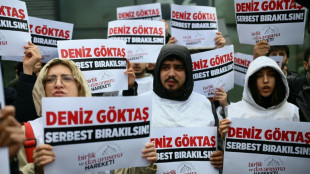 Turkish comedian convicted for Erdogan 'insult' freed pending appeal
-
AMD buys firm founded by AI 'godmother' Fei-Fei Li
-
 Trump announces 'biggest' US steel plant in battleground Iowa
-
Italy rebound in Turkey as France win late in Belgium

Nations start negotiations over global plastics treaty
Nations grappling with the plastic "suffocating" nature and leaching into food and the human body began fresh negotiations on Monday toward a UN treaty to tackle the growing problem.
Some 175 countries agreed last year to conclude by 2024 a binding agreement to combat the plastic pollution littering oceans, mountain tops, and even blood and breast milk.
Negotiators have met twice already but the week-long talks in Kenya are the first to consider the concrete details of the treaty, and tensions have emerged over what it should contain.
At the opening of the high-stakes talks at the UN Environment Programme (UNEP) headquarters in Nairobi, nations were urged to find common ground for the sake of the planet.
"Nature is suffocating, gasping for breath. All ecosystems... are under threat from plastic pollution," said Jyoti Mathur-Filipp, executive secretary of the treaty negotiating committee.
"We hold in our hands the power to correct this destructive course."
Ahead of the talks, 60 so-called "high ambition" nations called for binding rules to reduce the use and production of plastic, which is made from fossil fuels, a measure supported by many environment groups.
It is one of the many options proposed in a treaty draft published in September that is driving the deliberations in Nairobi.
More than 2,000 delegates are attending, including representatives from oil and gas companies, environment lobbies and civil society groups.
- Divergent views -
The gathering comes just before crucial climate talks in the oil-rich United Arab Emirates later this month that are set to be dominated by debates over the future of fossil fuels.
Countries with large petrochemical industries have generally preferred to focus on recycling and better waste management rather than the caps on new plastic or product bans demanded by some parties to the talks.
UNEP executive director Inger Andersen said nations agreed to develop a treaty that dealt with the entire life cycle of plastics -- from production at their source, to their design and use, to final disposal.
"We cannot recycle our way out of this mess," she told AFP on the sidelines of the talks.
Environment groups attending in Nairobi accused a so-called "low ambition coalition" of largely oil-producing nations including Iran, Saudi Arabia and Bahrain of aligning to frustrate the talks.
"We have seen these countries move actively... to prevent these negotiations from beginning, to prevent them from moving to substance, and to slow down those discussions," Carroll Muffett from the Center for International Environmental Law told reporters.
- 'Existential threat' -
The International Council of Chemical Associations, a global industry body, said the treaty "should be focused on ending plastic pollution, not plastic production".
"We support a legally binding agreement that accelerates circularity where new plastics are made from used plastics," the council, which counts Dow and ExxonMobil among its members, told AFP on Monday.
Plastic production has doubled in 20 years and in 2019, a total of 460 million tonnes was manufactured, according to the OECD.
Despite growing awareness of the problem, current trends suggest that production could triple by 2060 without action.
Around two-thirds of plastic waste is discarded after being used only once or a few times, and less than 10 percent is recycled, with millions of tonnes dumped in the environment or improperly burned.
"This kind of polluting our environment is unacceptable and is essentially an existential threat to life, to humanity and everything in between," Kenyan President William Ruto said at the plenary opening.
The Nairobi meeting is the third of five sessions in a fast-tracked process aiming to conclude negotiations next year so the treaty can be adopted by mid-2025.
Campaigners say delegates in Nairobi must make considerable headway to remain on course and warned against time-consuming debates over procedural matters that caused friction at the last talks in Paris in June.
R.Shaban--SF-PST