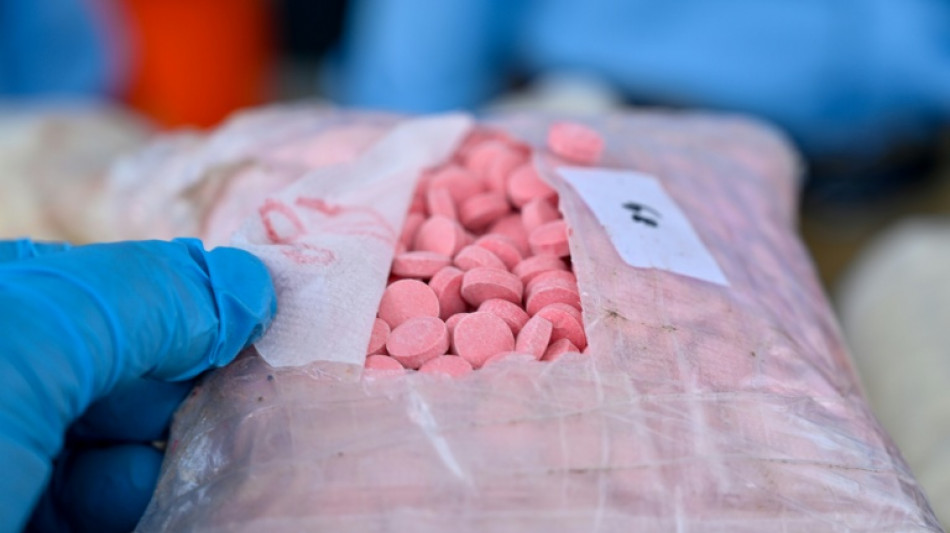
New Zealand approves use of party drug MDMA to treat trauma / Photo: CHAIDEER MAHYUDDIN - AFP/File

 رئيس جامعة القدس يستعرض نموذج الشراكة بين التعليم العالي والصناعة في قمة QS بأبوظبي

 ابتكارات فلسطينية في مسابقة "سيف" العالمية بالرياض

 تحذير أمني من تكثيف إسرائيل إرسال رسائل نصية مستهدفة للفلسطينيين

 Polanski Accuses Sadiq Khan of Undermining Thames Water Nationalisation

 Nigeria Envoy's $61 Billion Claim Faces Scrutiny Amid Diplomatic Tensions

 وزير المالية يبحث مع برنامج الأمم المتحدة الإنمائي توسيع الدعم في غزة والضفة

 المغرب يبلغ محكمة التحكيم الرياضي بشأن اتصال محتمل بين مسؤول سنغالي ومحكم في قضية كأس أفريقيا
Two psychiatrists in New Zealand won approval Friday to prescribe pharmaceutical-grade MDMA to sufferers of severe post-traumatic stress disorder.
The move by New Zealand's pharmaceutical regulatory body Medsafe makes the country only the second worldwide to approve the use of the party drug for use in treating PTSD, following Australia in 2023.
"PTSD ruins lives and is difficult to treat," said Deputy Prime Minister David Seymour, who last year backed the approval of magic mushrooms to treat people with severe depression.
"MDMA can be very effective at treating it through psychedelic-assisted therapy."
New Zealand is committed to opening up access to "innovative treatments", Seymour said.
PTSD is a mental health condition that develops after a person experiences or is threatened by traumatic events such as death, combat or sexual assault.
Clinical trials are ongoing in the United States after the Federal Drug Administration rejected legalising MDMA's medicinal use in 2024, saying there was not enough evidence it was safe or effective.
Pharmaceutical treatment options for PTSD in the United States have so far been limited to two antidepressants that require three months of dosing to take effect, and response rates to the medications have been uneven.
A study in Israel last year found that MDMA taken by ravers at the Nova music festival when hundreds were killed by Hamas have been helpful in cushioning the impact of the trauma they endured.
Wellington's Ministry of Health said MDMA-assisted treatment would be combined with psychotherapy and stressed that patients would not be supplied drugs to take home.
"Treatment takes place in a controlled clinical setting under the care of an authorised psychiatrist and forms part of a comprehensive treatment plan," the ministry said.
Any patients would have to be aged 18 or older, it added.
P.Tamimi--SF-PST