Study Finds Psilocybin Makes Brain Activity More Responsive to Immediate Experience

 رئيس جامعة القدس يستعرض نموذج الشراكة بين التعليم العالي والصناعة في قمة QS بأبوظبي

 ابتكارات فلسطينية في مسابقة "سيف" العالمية بالرياض

 تحذير أمني من تكثيف إسرائيل إرسال رسائل نصية مستهدفة للفلسطينيين

 Polanski Accuses Sadiq Khan of Undermining Thames Water Nationalisation

 Nigeria Envoy's $61 Billion Claim Faces Scrutiny Amid Diplomatic Tensions

 وزير المالية يبحث مع برنامج الأمم المتحدة الإنمائي توسيع الدعم في غزة والضفة

 المغرب يبلغ محكمة التحكيم الرياضي بشأن اتصال محتمل بين مسؤول سنغالي ومحكم في قضية كأس أفريقيا
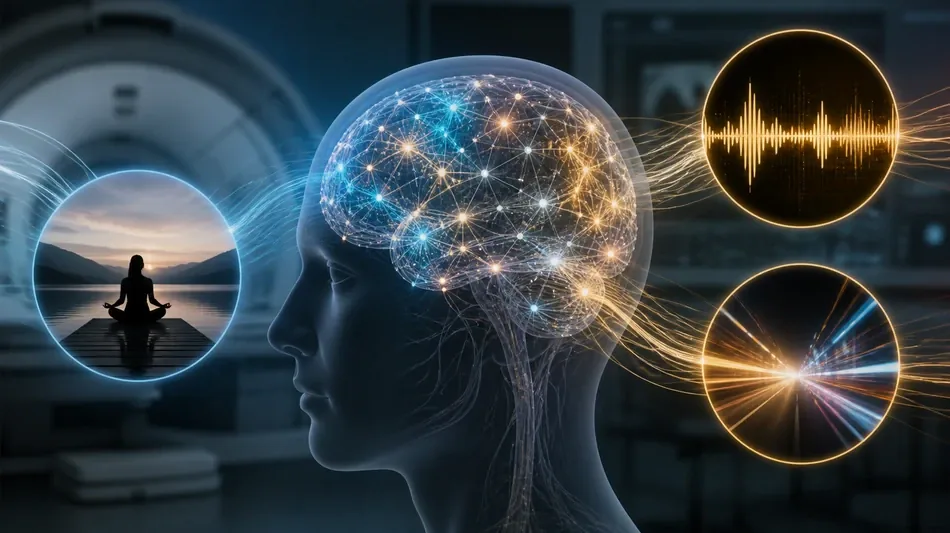
A neuroimaging study found that psilocybin loosened conventional brain-network boundaries while strengthening patterns linked to what participants were doing at the time.
A large neuroimaging study of psilocybin has found an organized pattern within the increased variability commonly associated with psychedelic drugs. The research, published in Nature, indicates that the substance can reduce distinctions between established brain networks while making neural responses to immediate activities more recognizable.
Researchers monitored changes across 332 brain regions using functional magnetic resonance imaging and electroencephalography. The study involved 62 people who had not previously used psychedelics. Each participant took a 19-milligram oral capsule of psilocybin and then meditated, listened to music or watched a film.
Artificial-intelligence analysis identified different neural patterns associated with each activity. The patterns became clearer as the reported intensity of the psychedelic experience increased. The result suggests that greater unpredictability in overall brain signaling does not necessarily mean a person’s immediate environment has less influence. Instead, the activity underway appeared to leave a more distinct neurological signature.
Self-reports were consistent with the biological measurements. Participants whose brain activity showed the clearest activity-specific patterns also tended to describe stronger immersion and a greater sense of unity with their surroundings. Some reported that the boundary between themselves and the environment felt less distinct.
Lead author Devon Stoliker of Monash University’s School of Psychological Sciences in Melbourne said networks involved in processing internal and external experience became less separate under psilocybin but reorganized into patterns reflecting what participants were experiencing.
The findings add detail to the broad description of psychedelics as making the brain chaotic and may help explain reports of oneness during psilocybin experiences. They may also be relevant to psychedelic-assisted treatment, where the circumstances of a session are considered important.
Senior author Adeel Razi, a Monash professor, said context should not be treated as background to the drug’s effects. The results support careful attention to the setting and to what a person does and experiences during a therapeutic session. The study does not establish a treatment outcome, but it provides evidence that the immediate environment is reflected in brain organization during the drug’s effects.
A.AbuSaada--SF-PST