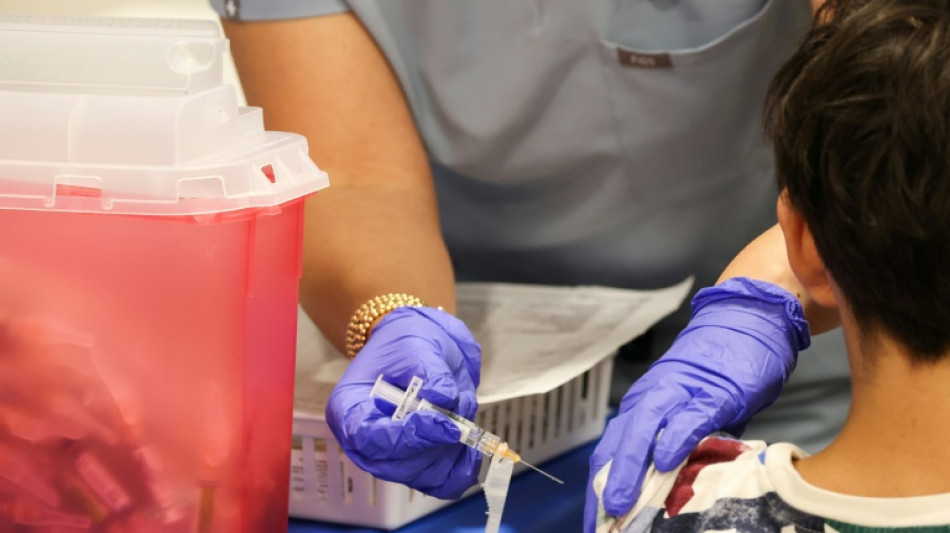
US recommends fewer childhood vaccines in major shift / Photo: Patrick T. Fallon - AFP/File

 Myanmar leader lands in Malaysia for migrant return talks
 Indian central bank hikes rates for first time since 2023

 US military on Okinawa face curfew, alcohol ban after murder case

 Fierce lobbying in EU over 'forever chemicals'

 Dodgers beat Braves and Padres avoid sweep in MLB playoffs

 Mourning, war and elections as Israel marks October 7

 Messi says Argentina retirement is 'saddest day of my career'

 Oil rises and stocks fall as Hormuz worries flare

 Pacific presses world for help 'surviving' climate change at pre-COP summit

 Verstappen revival to be put to the test in steamy Singapore

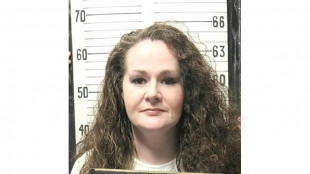 US woman who survived botched execution is conscious, speaking: lawyers

 Climate champion Australia digging more coal
 Emotion, tears as Messi retires from Argentina national team

 Dodgers push Braves to the brink of MLB playoff exit

 Crisis-stricken Haiti postpones elections

 N. Korea's Kim pledges 'invariable support' in Putin birthday letter

 OGRD Alliance Advances PLPC Multi-Asset Platform Following APHELAR Milestone, Expanding Licensing and Strategic Capital Frameworks
 Emotion, tears as Messi prepares for Argentina farewell

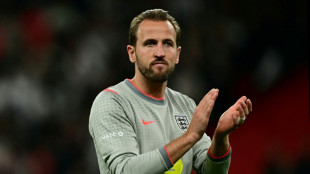 Kane eyes Ronaldo record after matching England cap mark

 Spain fight back to beat Croatia, Kane adds to record for England

 Merino double helps Spain beat Croatia, reach Nations League quarters

 US stocks hit fresh records as oil stabilizes on rising supplies

 As Messi bows out, Argentines say 'thank you'

 Ronaldo opens door for Portugal return, apologises for walkout

 'Nobody seems to care': Russian city shrugs off plague reports

The Trump administration on Monday overhauled the US pediatric vaccine schedule, upending years of scientifically backed recommendations that reduced disease with routine shots.
The dramatic shift -- announced by the US health department, which is led by long-time vaccine skeptic Robert F. Kennedy Jr. -- means the US will no longer recommend that every child receive immunizations against several diseases including rotavirus and influenza.
The Centers for Disease Control and Prevention instead will recommend that shots preventing those illnesses as well as hepatitis A, hepatitis B and meningococcal disease be administered for select groups of high-risk individuals or as recommended by a doctor, rather than as standard practice.
The agency had already shifted to this recommendation model for Covid-19 shots earlier this year.
The decision follows President Donald Trump's directive last month that health officials compare the US vaccine schedule to those abroad.
"After an exhaustive review of the evidence, we are aligning the US childhood vaccine schedule with international consensus while strengthening transparency and informed consent. This decision protects children, respects families, and rebuilds trust in public health," Kennedy said in a statement.
But medical and public health experts slammed the overhaul.
Sean O'Leary, chair of the American Academy of Pediatrics Committee on Infectious Diseases, said "the US child vaccine schedule is one of the most thoroughly researched tools we have to protect children from serious, sometimes deadly diseases."
"It's so important that any decision about the US childhood vaccination schedule should be grounded in evidence, transparency and established scientific processes, not comparisons that overlook critical differences between countries or health systems," he told journalists.
- 'More confusing for parents' -
States have the authority to mandate vaccinations, but generally CDC recommendations wield significant influence over state policies.
US officials have said that access as well as insurance coverage of vaccines should remain in place, even for shots not broadly recommended by the federal government.
"All vaccines currently recommended by CDC will remain covered by insurance without cost sharing," said Mehmet Oz, the administrator of the federal health insurance programs.
"No family will lose access. This framework empowers parents and physicians to make individualized decisions based on risk, while maintaining strong protection against serious disease."
But public health authorities warned that the changes would only sow doubt and confusion, especially as vaccine skepticism has mushroomed in the wake of the pandemic.
O'Leary said the shift "just makes things more confusing for parents and clinicians."
"Tragically, our federal government can no longer be trusted" to provide vaccine recommendations, he added.
Z.AbuSaud--SF-PST