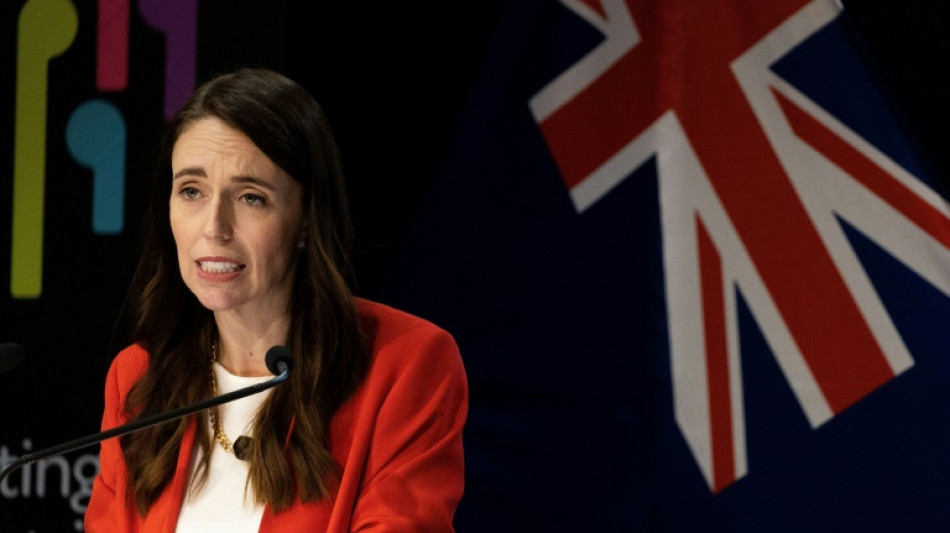
New Zealand to ease domestic virus restrictions

 رئيس جامعة القدس يستعرض نموذج الشراكة بين التعليم العالي والصناعة في قمة QS بأبوظبي

 ابتكارات فلسطينية في مسابقة "سيف" العالمية بالرياض

 تحذير أمني من تكثيف إسرائيل إرسال رسائل نصية مستهدفة للفلسطينيين

 Polanski Accuses Sadiq Khan of Undermining Thames Water Nationalisation

 Nigeria Envoy's $61 Billion Claim Faces Scrutiny Amid Diplomatic Tensions

 وزير المالية يبحث مع برنامج الأمم المتحدة الإنمائي توسيع الدعم في غزة والضفة

 المغرب يبلغ محكمة التحكيم الرياضي بشأن اتصال محتمل بين مسؤول سنغالي ومحكم في قضية كأس أفريقيا
New Zealand will relax its strict Covid-19 rules this week because case numbers have peaked and the population has high levels of immunity, Prime Minister Jacinda Ardern said Wednesday.
Ardern said limits on outdoor crowd numbers would be scrapped late Friday, allowing sporting events and concerts to take place with unrestricted crowds.
She said vaccine passes and scanning codes would no longer be compulsory from April 4 and most vaccine mandates -- requiring employees to be immunised or face the sack -- would be dropped.
"This is not the end, but in some ways it is also a new beginning," Ardern told reporters, saying the changes acknowledged that "Covid is here to stay".
"To date, we've had more than 500,000 reported cases of Covid-19 and expert modellers say there have probably been 1.7 million actual infections," she said.
"That figure, coupled with 95 percent of New Zealanders being fully vaccinated, means we now have a high level of collective immunity."
The announcement comes a week after Ardern outlined plans to open New Zealand's borders earlier than originally scheduled.
New Zealand was widely praised for keeping Covid-19 out of the community for extended periods during the pandemic but it is currently experiencing a wave of Omicron-variant infections, with almost 21,000 new cases recorded on Tuesday.
However, the population is highly vaccinated and there have been just 177 coronavirus-related deaths in a population of five million.
"While we've been successful, it's also been bloody hard," Ardern said.
"I want to start by thanking New Zealanders for the enormous sacrifices they've made over the past two years."
Ardern said vaccine mandates for the police, military and education sector would be dropped, although they would remain for healthcare and border workers.
She denied the move was linked to protests in Wellington which ended in rioting early this month as police removed a camp of anti-vaccine demonstrators that occupied the grounds outside parliament for three weeks.
"(We're acting) because it's safe to do so, not because anyone arrived on the front lawn of parliament," she said.
S.Barghouti--SF-PST