World Bank chief contrasts Microsoft deal with poor countries' debt

 رئيس جامعة القدس يستعرض نموذج الشراكة بين التعليم العالي والصناعة في قمة QS بأبوظبي

 ابتكارات فلسطينية في مسابقة "سيف" العالمية بالرياض

 تحذير أمني من تكثيف إسرائيل إرسال رسائل نصية مستهدفة للفلسطينيين

 Polanski Accuses Sadiq Khan of Undermining Thames Water Nationalisation

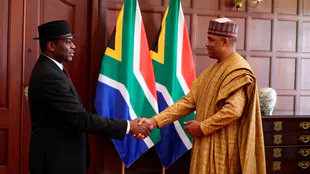 Nigeria Envoy's $61 Billion Claim Faces Scrutiny Amid Diplomatic Tensions

 وزير المالية يبحث مع برنامج الأمم المتحدة الإنمائي توسيع الدعم في غزة والضفة

 المغرب يبلغ محكمة التحكيم الرياضي بشأن اتصال محتمل بين مسؤول سنغالي ومحكم في قضية كأس أفريقيا
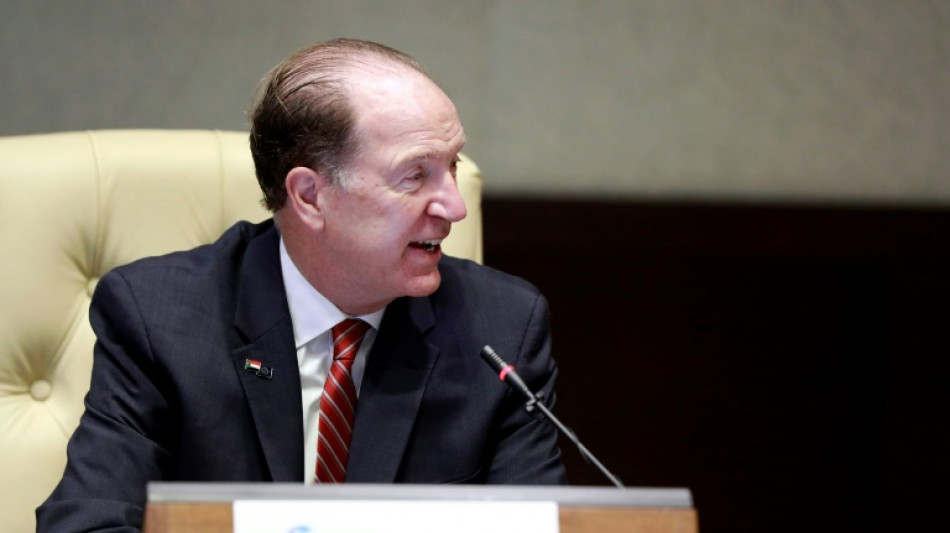
After Microsoft announced it would spend tens of billions of dollars to buy a video game company, World Bank President David Malpass on Wednesday drew a contrast between the deal and the amount of money rich nations have pledged to help poor countries facing higher debt loads.
"I was struck this morning by the Microsoft investment -- $75 billion in a video gaming company" compared to just $24 billion over three years in aid for the poorest countries, Malpass said, referring to donations allocated in December by 48 high- and middle-income governments.
"You have to wonder, is this the best allocation of capital?" he said of the Microsoft deal in a discussion at the Peterson Institute for International Economics.
"There has to be more money and growth flowing into the developing countries."
Microsoft on Tuesday announced the purchase of US gaming giant Activision Blizzard, the firm behind hits like "Call of Duty."
Malpass has called on the richest nations in the Group of 20 to provide more debt relief to the world's least-developed countries that qualify for interest-free loans.
A G20 debt service suspension initiative expired at the end of 2021, and this year alone, those countries must pay $35 billion in debt service.
"The debt payments are staggering," and it has become a "compounding" problem, Malpass said.
V.AbuAwwad--SF-PST