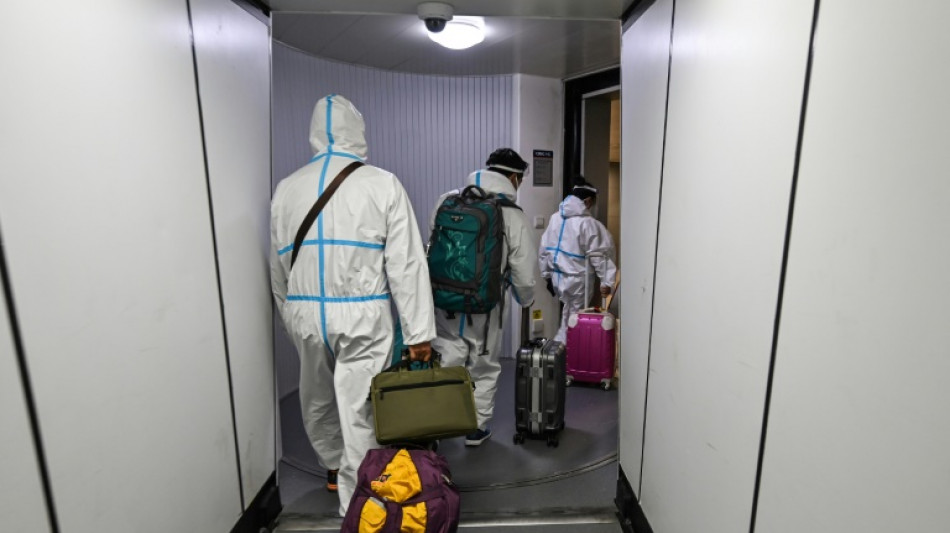
Jubilant Chinese plan trips abroad with Covid quarantine to end / Photo: HECTOR RETAMAL - AFP/File

 Samsung expects 780% quarterly operating profit jump on AI boom

 Guardians survive with 9-3 win over White Sox

 Saudi Arabia says 3 dead at airports after Houthis claim attacks
 Stocks slide as oil sees volatile trading day over Iran war fears

 Microsoft pushes AI vision with new, expensive Surface laptop

 Five children among 28 killed in Russian strikes on Ukraine

 Odell Beckham Jr signs with Minnesota Vikings

 Saudi Arabia says three dead at airports after Houthis claim attacks

 Trump plans to turn Florida golf course into presidential retreat

 WHO says cannot conduct full risk assessment on Russia plague reports

 After botched execution, US woman is awake and shackled to bed

 New Zealand fly-half Mo'unga ruled out of Australia Tests
 Protests in major Turkish city after mayor defects to Erdogan party

 Climate change strips island's title of largest penguin colony: study

 Rubio says West must choose between national power or decline

 Russia's plague scare: What we know

 French luxury giant to fund redevelopment of two Paris streets: city hall

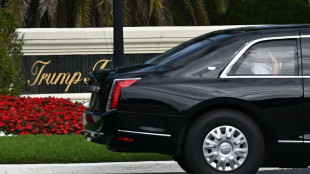 Trump wants to turn Florida golf course into presidential retreat

 Mayor of Turkish opposition stronghold defects to Erdogan party
 Children among heavy casualties in Ukraine after Russian strikes

 Court orders German ex-spy chief kept in jail after spying, treason arrest

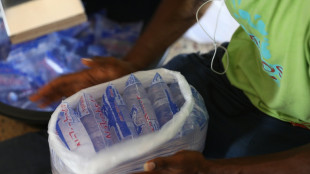 Guinea caps bottled water prices after sachets banned

 Spared, married, hanged: the last weeks of Iranian protester Alireza Sepahi

 Nobel physics winner's pride at pioneering AI role

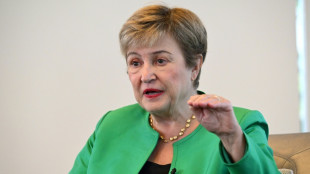 IMF preparing El Nino assistance, concerned about AI bubble burst: chief to AFP

People in China reacted with joy and rushed to plan trips abroad Tuesday after Beijing said it would scrap mandatory Covid quarantine for overseas arrivals that will end almost three years of self-imposed isolation.
In a snap move late Monday, China said that from January 8 inbound travellers would no longer need to quarantine, as it further unwinds hardline virus controls that had torpedoed the economy and sparked nationwide protests.
Infections have surged nationwide as key pillars of the containment policy have fallen away, with authorities acknowledging the outbreak is "impossible" to track and doing away with much-maligned case tallies.
Beijing also narrowed the criteria by which Covid fatalities are counted last week, a move experts said would suppress the number of deaths attributable to the virus.
Still, many Chinese reacted with joy to the end of restrictions that have kept the country largely closed off to the world since March 2020.
"I felt like the epidemic is finally over... The travel plans I made three years ago may now become a reality," said Beijing office worker Fan Chengcheng, 27.
A Shanghai resident surnamed Chen said the policy shift "felt like someone has pressed the button to end the movie", adding that it would allow her parents in Britain to visit her more easily.
"Finally, China's going back to normal," she told AFP. "It shows there are people who still care about global commerce and the impact on the Chinese economy."
Another Shanghai local, surnamed Du, said a swifter reopening may help the country reach so-called herd immunity more quickly, adding that there was "no way to avoid" the virus in the eastern megacity.
Online searches for flights abroad surged on the news, with travel platform Tongcheng seeing an 850 percent jump in searches and a ten-fold spike in enquiries about visas, according to state media reports.
Rival platform Trip.com Group said the volume of searches for popular overseas destinations rose by 10 times year-on-year within half an hour of the announcement.
Users were particularly keen on trips to Macau, Hong Kong, Japan, Thailand and South Korea, it added.
But some Chinese may face hurdles when they do go abroad, with Japan announcing that it would require Covid tests on arrival for travellers from mainland China from Friday.
Rising cases in China, Prime Minister Fumio Kishida said, were "causing growing concern in Japan".
Beijing's foreign ministry said Tuesday that countries should uphold "scientific and appropriate" disease controls that "should not affect normal personnel exchanges".
- 'Relief' -
The Chinese announcement effectively brought the curtain down on a zero-Covid regime of mass testing, strict lockdowns and long quarantines that has roiled supply chains and buffeted business engagement with the world's second-largest economy.
"The overwhelming view is just relief," said Tom Simpson, managing director for China at the China-Britain Business Council.
"It brings an end to three years of very significant disruption."
An uptick in international trade missions is now expected for next year, he told AFP, although the full resumption of business operations is likely to be "gradual" as airlines slowly bring more flights online and companies tweak their China strategies for 2023.
The EU Chamber of Commerce in China also welcomed the move, saying it will "potentially boost business confidence" and allow executives and workers to travel more freely.
All passengers arriving in China have had to undergo mandatory centralised quarantine since March 2020. That decreased from three weeks to one week in June, and to five days last month.
The end of that rule in January will also see Covid-19 downgraded to a Class B infectious disease from Class A, a formal distinction that allows authorities to adopt looser controls.
Some entry restrictions will remain however, with China still largely suspending the issuance of visas for overseas tourists and students.
Beijing said Tuesday it would "continue to adjust its visa policy for foreigners visiting China in a scientific and dynamic manner in accordance with... the epidemic situation".
Foreign ministry spokesperson Wang Wenbin said at a regular press briefing that China would "optimise" arrangements for foreign nationals seeking to return to work, conduct business, study abroad or visit relatives.
- Winter surge -
The government and state media have sought to portray an image of measured calm as Covid finally washes across the country.
But officials in several major cities have said hundreds of thousands of people are estimated to have been infected in recent weeks.
Hospitals and crematoriums have been full with patients and victims, according to independent reporting by AFP and other media.
Some studies have projected around one million people could die in China from Covid over the next few months.
The government announced last week that it would effectively stop recording the number of people who were dying of Covid.
And the National Health Commission said Saturday it would no longer publish daily case figures, after they were widely criticised as inaccurate.
Authorities were using data from online surveys, hospital visits, demand for fever medicines and emergency calls to "make up for shortcomings in (officially) reported figures", disease control official Yin Wenwu said at a press briefing Tuesday.
The winter surge comes ahead of major public holidays next month in which hundreds of millions of people are expected to travel to their hometowns to reunite with relatives.
N.Awad--SF-PST