-
 Hotel Blacklist Launches New Accommodation Industry Risk Assessment Tool
-
Messi says Argentina retirement is 'saddest day of my career'
-
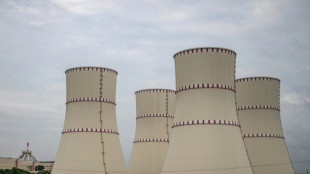 Bangladesh nuclear plant draws hope -- and worry
-
Oil rises and stocks fall as Hormuz worries flare

-
 US beat Canada 1-0 to wrap up four-win international break
-
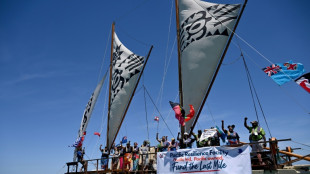
Pacific presses world for help 'surviving' climate change at pre-COP summit
-
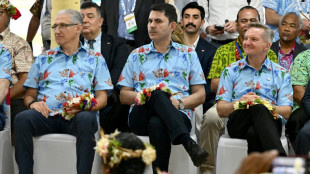 Turkey, Australia's joint COP31 leadership raises doubts
-
Verstappen revival to be put to the test in steamy Singapore

-
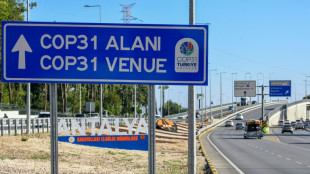 For Turkish NGOs, COP31 offers rare space for action
-
US woman who survived botched execution is conscious, speaking: lawyers

-
 Sleep, appetite, gene-editing experts contend for Nobel chemistry prize
-
Climate champion Australia digging more coal
-
 Nobel Peace Prize haunted by the 'spectre' of Trump
-
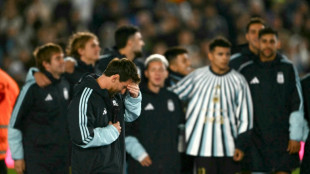
Emotion, tears as Messi retires from Argentina national team

-
 Africa launches own credit agency in bid for cheaper borrowing
-
Dodgers push Braves to the brink of MLB playoff exit

-
 US, China, EU: three paths to regulating AI
-
Crisis-stricken Haiti postpones elections
-
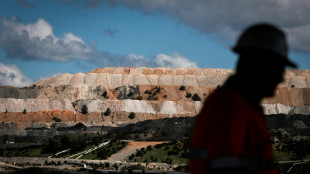 Australia's High Court rules against coal mine in landmark climate case
-
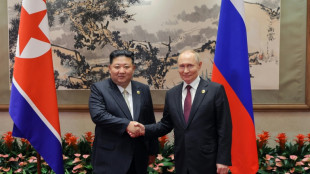
N. Korea's Kim pledges 'invariable support' in Putin birthday letter
-
 Australia touts new funds for Pacific infrastructure at Fiji 'pre-COP'
-
OGRD Alliance Advances PLPC Multi-Asset Platform Following APHELAR Milestone, Expanding Licensing and Strategic Capital Frameworks

-
 Eva Marie Saint, Oscar winner of Hollywood classics, dies at 102
-
Emotion, tears as Messi prepares for Argentina farewell

-
 Australia probes app used in cheap smart glasses over privacy fears
-
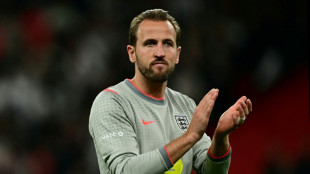
Kane eyes Ronaldo record after matching England cap mark
-
 England needed to 'move on' from World Cup pain, says Tuchel
-
Spain fight back to beat Croatia, Kane adds to record for England

-
 O'Neill to stay at Celtic after period of "reflection"
-
Merino double helps Spain beat Croatia, reach Nations League quarters

-
 Kane marks 125th England cap with Wembley Nations League double
-
US stocks hit fresh records as oil stabilizes on rising supplies
-
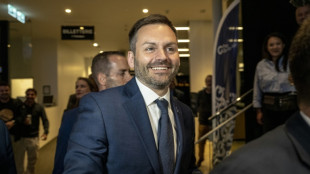 Quebec's incoming separatist leader wants to block Crown from swearing-in
-
As Messi bows out, Argentines say 'thank you'

-
 Emmys gala will now stream its premier television awards
-
Ronaldo opens door for Portugal return, apologises for walkout

-
 Paramount completes Warner Bros takeover, creating Skydance
-
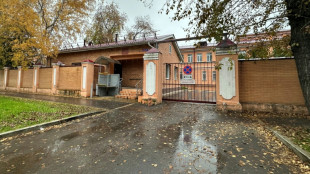
'Nobody seems to care': Russian city shrugs off plague reports
-
 Trump blames France unrest on Islam, migration
-
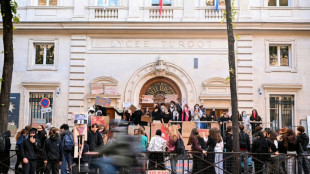
Hundreds arrested in French school protests as Macron summons ministers
-
 Apple's Cook praises EU over efforts to protect children online
-
WADA seeks tough anti-doping stance from Kenya
-
 Nobel winner Halzen says years of October 'misery' finally over
-
German ex-spy chief arrested for suspected espionage, treason
-
 Quebec separatist win rattles Carney's unity push
-
Furyk vows US will 'do more' to end Ryder Cup losing streak

-
 'Itching' for change: Shiffrin cuts back slaloms this season
-
Iyer hits ton as India hammer West Indies in T20 opener
-
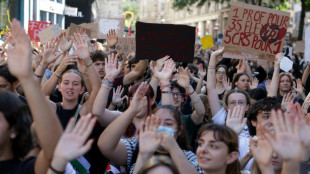
 'Gen Z has risen up': Tens of thousands mass for tense France school protests
-
Mandhana named India women's team captain after Kaur quits
Bangladesh protesters set fire to state TV headquarters
Bangladeshi students set fire to the country's state television station on Thursday, a day after Prime Minister Sheikh Hasina appeared on the network seeking to calm escalating clashes that have killed at least 25 people.
Hundreds of protesters demanding reform of civil service hiring rules fought back and overwhelmed riot police who had fired at them with rubber bullets and chased the retreating officers, who fled to BTV's headquarters in the capital Dhaka.
The incensed crowd then set ablaze the network's reception building and dozens of vehicles parked outside, a BTV official told AFP on condition of anonymity.
"Many people are trapped inside," the broadcaster said on its Facebook page, adding that the "catastrophic fire" was spreading quickly.
Hasina's government has ordered schools and universities to close indefinitely as police step up efforts to bring the country's deteriorating law and order situation under control.
The premier appeared on the broadcaster on Wednesday night to condemn the "murder" of protesters and vow that those responsible will be punished regardless of their political affiliation.
But violence worsened on the streets despite her appeal for calm as police again attempted to break up demonstrations with rubber bullets and tear gas volleys.
At least 18 people were killed on Thursday in addition to seven killed earlier in the week, according to a tally of casualty figures from hospitals compiled by AFP, with hundreds more wounded.
"Non-lethal" police weaponry was the cause of more than two-thirds of those deaths, based on descriptions given to AFP by hospital figures.
Fresh clashes broke out in several cities across Bangladesh throughout the day as riot police marched on protesters, who began another round of human blockades on roads and highways.
Helicopters rescued 60 police officers who were trapped on the roof of a campus building at Canadian University, the scene of some of Dhaka's fiercest clashes on Thursday, the elite Rapid Action Battalion police force said in a statement.
Three students and a rickshaw driver were brought dead to one hospital in the capital.
"They all had rubber bullet injuries," Kuwait Moitri Hospital assistant superintendent Mahfuz Ara Begum told AFP.
"More than 150 students are also being treated here. Most were hit by rubber bullets in their eyes."
Other hospitals reported a combined total of 14 deaths to AFP throughout the day, including 10 in Dhaka, two in the port city of Chittagong and two in nearby cities.
- 'Calling her a dictator' -
Near-daily marches this month have demanded an end to a quota system that reserves more than half of civil service posts for specific groups, including children of veterans from the country's 1971 liberation war against Pakistan.
Critics say the scheme benefits children of pro-government groups that back Hasina, 76, who has ruled the country since 2009 and won her fourth consecutive election in January after a vote without genuine opposition.
Her administration is accused by rights groups of capturing state institutions and stamping out dissent, including by the extrajudicial killing of opposition activists.
Mubashar Hasan, a Bangladesh expert at the University of Oslo in Norway, said the protests had grown into a wider expression of discontent with Hasina's autocratic rule.
"They are protesting against the repressive nature of the state," he told AFP.
"Protesters are questioning Hasina's leadership, accusing her of clinging onto power by force," he added. "The students are in fact calling her a dictator."
- Mobile internet down -
Bangladeshis reported widespread mobile internet outages around the country on Thursday, two days after internet providers cut off access to Facebook -- the protest campaign's key organising platform.
Junior telecommunications minister Zunaid Ahmed Palak told AFP that the government had ordered the network cut off.
He earlier told reporters that social media had been "weaponised as a tool to spread rumours, lies and disinformation", forcing the government to restrict access.
Along with police crackdowns, demonstrators and students allied to the premier's ruling Awami League have also battled each other on the streets with bricks and bamboo rods.
Hasina's speech did not assign responsibility for the deaths, but descriptions from hospital authorities and students suggest at least some died when police used supposedly non-lethal weapons on demonstrations.
Rights group Amnesty International said video evidence from clashes this week showed that Bangladeshi security forces had used unlawful force.
Clashes overnight included a battle on Dhaka's outskirts between police and more than 1,000 protesters who set fire to a roadside toll booth.
"We spent the whole night fending off attacks from the protesters," deputy police commissioner Iqbal Hossain told AFP.
G.AbuHamad--SF-PST