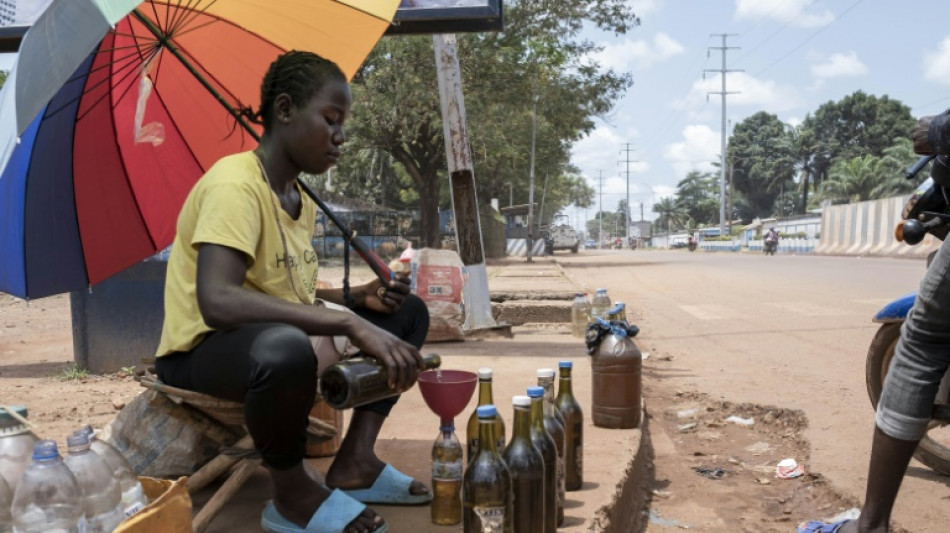
Black marketeers grease the wheels in Central Africa's petrol crisis / Photo: Barbara DEBOUT - AFP

 France's Macron accuses social media of sowing discord ahead of election
 Anthropic unveils IPO filing showing soaring sales and AI risks

 US singer Chris Brown avoids jail over London nightclub brawl
 US singer Chris Brown avoids jail over UK nightclub brawl
 Man Utd crisis deepens as Carrick faces axe
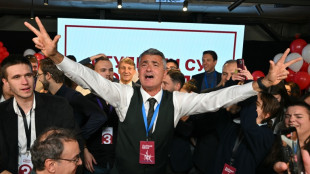 Serbian student movement eyes power after resounding snap poll victory
 Eala breezes past world number 411 in Tokyo opener
 Swedish Centre Party leader says government coalition talks failed
 Barca's big-game defeats pose familiar questions
 Russia says open to mini Ukraine ceasefires, but no let up in war
 Bangladesh measles crisis 'warning sign' of other outbreaks: report
 'Historic victory': World leaders celebrate Lula's re-election
 Stock markets mixed ahead of tech earnings, central bank decisions

 الظفرة يطلب كشف تفاصيل قرار ركلة الإقصاء أمام خورفكان

 Canada-EU summit seeks deepened alliance as US ties fray

 Senegal to host Youth Games, Africa's first ever Olympics
 ITV drama Adultery examines temptation, class and family consequences
 Argentine police arrest stepfather after pregnant 10-year-old reaches hospital
 New levy on non-EU parcels kicks in November 1

 Saudi coalition says struck Houthi missile facilities after Riyadh airport attack

 مهرجان الظفرة الرابع يختتم منافسات الهجن بتتويج الفائزين
 Trump says Canada trade deal coming 'soon'

 بوتين يؤكد استمرار واردات أوروبا من الطاقة الروسية
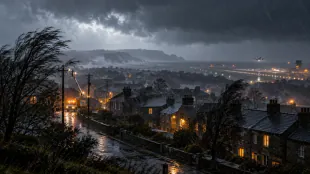 العاصفة «بويلو» تعطل الكهرباء والرحلات الجوية في بريطانيا

 Kane primed to pip Yamal, Mbappe to Ballon d'Or glory
The Tradex petrol station on Bangui's Boganda avenue stands deserted, except for a lone goat wandering between the empty pumps.
It used to be a busy spot in the Central African Republic's capital, but deliveries dried up seven months ago.
Just along the street, 18-year-old Princia Omah is lining up bottles full of petrol and fuel oil shaded from the hot sun by a multi-coloured umbrella.
"I sell petrol to make life easier for car owners," she says.
Central Africa Republic (CAR) is the second least developed country in the world, according to the United Nations, and has often struggled to maintain oil supplies.
But since March the situation has become dramatically worse.
"It is a result of the war in Ukraine and the difficulty of shipping hydrocarbons because the country is landlocked," Ernest Fortune Batta, director general of CAR's Petroleum Products Storage Company (SOCASP), tells AFP.
Government majority-owned SOCASP has exclusive charge for the import and storage of oil products in the country.
- Black market -
For years the price of petrol has been blocked by the government at 865 CFA francs (1.32 euros) a litre. On the street, a bottle costs up to 40 percent more.
Petrol sellers buy on the black market where the product is often of poor quality from cheap additives.
"My father gets supplies from smugglers in the Muslim quarter," says Omah. "It usually comes from Chad or Cameroon."
Hundreds of petrol station workers around Bangui are out of a job and have been replaced by curbside sellers like Omah.
The petrol stations that still do manage to obtain a delivery quickly find themselves under siege from long queues of impatient drivers.
"I have no choice, I have to get petrol from re-sellers so that I can do my shopping and go to work, even if the petrol is contaminated and can cause problems for the car," says Cedric Banam, who tops up three times a week.
"We did not expect the crisis to get so bad," admits Maurice Gbeza, aged 29, who has been supplying motorists illegally from the curbside for a year.
Transport costs have soared, provoking public anger.
Administrative secretary Pamela Mayevosson used to spend 1,000 CFA francs a day (1.5 euros) on transport.
"But now I need at least 2,000 francs for a day, it's too much when our salaries have not gone up," she says.
"The government should get a hold of the situation otherwise the country risks turning into a desert."
"There is no answer in sight to sort out the situation," rages Franck Ngaickom, head of the motorbike-taxi union.
"The government does not realise that the people are suffering. Many drivers have stopped work."
- 'Total drought' -
Batta says the government "has contacted different suppliers to bring the crisis to an end", but he offers no more detail.
The government did not answer several requests from AFP to explain the petrol shortage.
In mid-March, energy minister Arthur Bertrand Piri sought to reassure people with an announcement of the delivery of oil by trucks to re-supply the capital.
But since then things have become worse and worse.
"Three fuel trucks have just arrived to ease the situation, we still have a stock of fuel but deliveries are limited to stop us from running totally dry," Batta notes.
"Come to mother M16, it's 1,100 francs a bottle," shouts Marguerite Goungbon, sitting on a plastic chair.
"When I saw that most of the stations were shut because of the crisis I started selling petrol," says the former doughnut seller.
"When the crisis is over I'll stop selling," (petrol), adds the 52-year-old.
A bloody civil war has wracked Central Africa since 2013, even if the fighting has dropped off over the last four years.
And so, despite mineral resources such as gold, diamonds and potentially even plenty of oil reserves, the unstable nation at the heart of Africa has slipped to one of the absolute poorest.
The World Bank estimates that 71 percent of Central Africa's six million people live below the international poverty line of $2.15 a day.
Nearly half the population suffers from food insecurity and relies on international aid, the UN says.
X.Habash--SF-PST