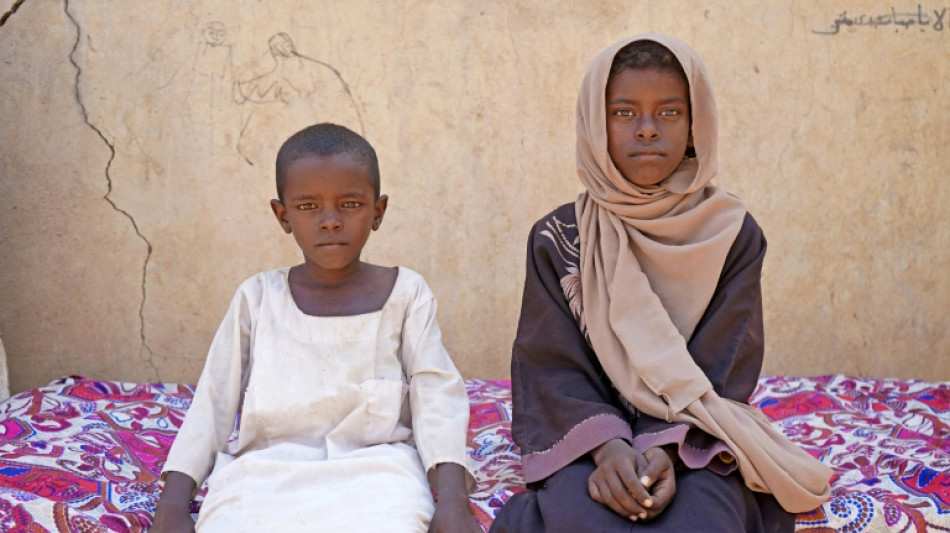
Sudan schools crisis threatens grim future for children / Photo: Hussein ERY - AFP

 No envy, no secrets: How Spain's Gipuzkoa became football coaching hotbed

 South Korea economy grows three times faster than expected in Q3

 Al-Thawadi urges technology to deepen human connection through shared experiences

 Ballon d'Or: Harry Kane's crowning moment

 Harry Kane wins men's Ballon d'Or

 إطلاق صندوق استثماري متخصص في الغاز الطبيعي المسال

 مساكن دبي تدعو المقيمين إلى المشاركة في تحدي المليار خطوة

 دراسة تقرّب العلماء من تفسير دور الشمال في العصور الجليدية

 سباعيات دبي للرجبي تضيف منافسات الدرجة الثالثة من سلسلة HSBC SVNS
 تحدي القراءة العربي يوسع أثره ويعزز المشاركة المعرفية

 تمويل مشروع دندرة للطاقة الشمسية بقيمة 650 مليون دولار

 عز العرب السويدي تقدم سيارات جايكو إلى السوق المصرية

 مسؤولون إماراتيون: الشراكة مع بنين تفتح فرصاً للتجارة والاستثمار

 أردوغان يتمسك باتفاق ترسيم الحدود البحرية مع ليبيا ويدعو إلى الحوار
 بيروت تكرّم نجاح سلام بإطلاق اسمها على شارع في المصيطبة

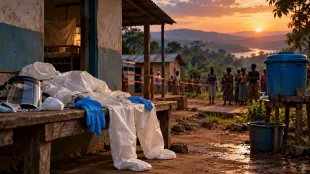 مقتل ممرضة في الكونغو خلال عملها لمواجهة تفشي الإيبولا

 زيلينسكي ينتقد تأخر الموافقة الأميركية على صواريخ الدفاع الجوي
 حسام بدران يستعيد أثر فتحي الشقاقي في الذكرى الحادية والثلاثين لاغتياله

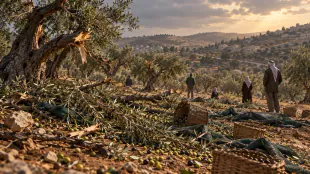 رصد 13 اعتداء على موسم الزيتون في أربع محافظات فلسطينية

 رادع تشيد بمواجهة مجموعات مسلحة غرب رفح

 500 مليون جنيه لتطوير 322 معملاً للرقابة على الصادرات في مصر

 الأردن يعلن قصف مواقع مرتبطة بهجوم كنيسة الكرك في جنوب سورية

 كمال النونو أول سفير لاتحاد الجامعات الدولي في فلسطين

 حماس تؤكد للوسطاء التزامها التهدئة وتنفي التخطيط لهجمات جديدة

 Ballon d'Or crowns Putellas's return to top of women's game

It's the start of a new school term in Sudan, yet nine-year-old Zahra Hussein stays home helping with household chores, forced to drop out as her family's money grows ever tighter.
Zahra quit primary school a year ago after she had just started third grade in a rundown school building with old classrooms, cracked walls, broken desks and toilets with little running water.
Until then, she had attended school regularly, aced her exams and most recently, came top of her class.
"I had come third in my class in first grade," the young girl told AFP at her home in the village of Ed Moussa in Sudan's eastern state of Kassala. "My father doesn't have money anymore ... so he pulled me out of school."
Zahra is one of nearly seven million children in Sudan who no longer go to school, a victim of what aid agencies have warned is a "generational catastrophe".
Sudan is already one of the world's poorest countries, plagued by political instability, droughts, hunger and conflict, with an adult literacy rate of only around 60 percent according to the World Bank.
Sudan's children have for years faced mounting difficulties gaining access to proper education, especially in rural areas.
Families struggling with severe economic hardship were already pulling their children out of school under the three-decade rule of president Omar al-Bashir, who was ousted in April 2019.
More turmoil followed and Sudan has been reeling from the crippling aftermath of last year's military coup led by army chief Abdel Fattah al-Burhan that derailed a transition installed after Bashir's ouster.
Deepening political and economic crises, recurrent ethnic conflicts and prolonged school closures during the Covid-19 pandemic have compounded the education crisis.
Hundreds of teachers have repeatedly gone on strike against worsening living conditions.
On top of the political and economic instability, devastating floods this year damaged more than 600 schools, delaying the start of the academic year from July until October.
- No school, no meals -
Sudan was listed as the second worst -- after Afghanistan -- in a 2022 Risk Education Index, which ranked 100 countries on the vulnerability of their school systems.
"The education system in Sudan is very fragile and crippled with many underlying factors", from poor infrastructure to the quality of education, according to Arshad Malik, Save the Children's country director in Sudan.
"Out of 12.4 million in-school children, seven out of ten 10-year-olds are unable to read and understand a simple sentence," he said.
For children such as Zahra, Sudan's rundown school system still offers a way of getting ahead in life.
"I would go back to school right away if we found the money to buy meals or copybooks," she said.
Schools in Sudan had offered free lunches for pupils in some rural areas, providing an incentive for struggling families to send their children.
For many, the school meals -- including lentils, vegetables and biscuits -- were often the only food they would get during the day.
Sudan is already struggling with food shortages that have left a record 15 million people -- around one-third of the population -- facing "acute food insecurity".
In the nearby village of Wad Sharifai, schools stopped providing meals two years ago, severely impacting attendance, said a teacher there, Mohamed Taha.
Othman Abubakr, a day labourer who has nine children, says he could no longer afford to pay for the food, commute and school supplies for all his children.
"If meals were still available in school ... it could have helped," said Abubakr, who has kept only two of his children in school.
"Now, the children can help bring money home."
- 'Dire need' -
Abdalla Ibrahim, who owns a coffee shop in Golsa, has several of his seven children either working with him or at a bakery.
Ohaj Soliman, a 43-year-old day labourer, says "putting the children to work is not good ... but we have been forced to".
Girls are especially vulnerable, warned a report last month by the United Nations children's agency UNICEF and Save the Children.
Sudanese girls are more likely to be married off early or taken out of school to do household chores, said Save the Children's Malik.
He estimates around four out of 10 girls have dropped out of school in Sudan, in comparison to three out of 10 boys.
Malik warned that, if no action is taken, the likely result is "more poverty and inequality".
Parents who pulled their children out of school are bracing for an uncertain future.
"I know it's the biggest disaster to leave children uneducated," said Abubakr. "But we are in dire need."
V.Said--SF-PST