
IMF warns against 'costly' tax cuts to fight inflation / Photo: Stefani Reynolds - AFP

 No envy, no secrets: How Spain's Gipuzkoa became football coaching hotbed

 South Korea economy grows three times faster than expected in Q3

 Al-Thawadi urges technology to deepen human connection through shared experiences
 Ballon d'Or: Harry Kane's crowning moment

 Harry Kane wins men's Ballon d'Or

 إطلاق صندوق استثماري متخصص في الغاز الطبيعي المسال

 مساكن دبي تدعو المقيمين إلى المشاركة في تحدي المليار خطوة

 دراسة تقرّب العلماء من تفسير دور الشمال في العصور الجليدية

 سباعيات دبي للرجبي تضيف منافسات الدرجة الثالثة من سلسلة HSBC SVNS

 تحدي القراءة العربي يوسع أثره ويعزز المشاركة المعرفية

 تمويل مشروع دندرة للطاقة الشمسية بقيمة 650 مليون دولار

 عز العرب السويدي تقدم سيارات جايكو إلى السوق المصرية

 مسؤولون إماراتيون: الشراكة مع بنين تفتح فرصاً للتجارة والاستثمار

 أردوغان يتمسك باتفاق ترسيم الحدود البحرية مع ليبيا ويدعو إلى الحوار

 بيروت تكرّم نجاح سلام بإطلاق اسمها على شارع في المصيطبة

 مقتل ممرضة في الكونغو خلال عملها لمواجهة تفشي الإيبولا

 زيلينسكي ينتقد تأخر الموافقة الأميركية على صواريخ الدفاع الجوي

 حسام بدران يستعيد أثر فتحي الشقاقي في الذكرى الحادية والثلاثين لاغتياله

 رصد 13 اعتداء على موسم الزيتون في أربع محافظات فلسطينية
 رادع تشيد بمواجهة مجموعات مسلحة غرب رفح

 500 مليون جنيه لتطوير 322 معملاً للرقابة على الصادرات في مصر

 الأردن يعلن قصف مواقع مرتبطة بهجوم كنيسة الكرك في جنوب سورية

 كمال النونو أول سفير لاتحاد الجامعات الدولي في فلسطين

 حماس تؤكد للوسطاء التزامها التهدئة وتنفي التخطيط لهجمات جديدة

 Ballon d'Or crowns Putellas's return to top of women's game
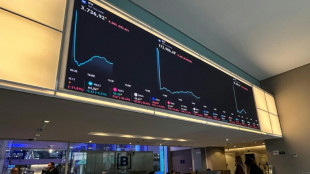
Soaring food and energy prices are raising the risk of social unrest, but attempting to tame costs through tax cuts, subsidies and price controls would be too costly, the IMF said Wednesday.
The fund's comments, in its latest Fiscal Monitor report, come as food prices have surged by half since 2019 while energy bills soared in the wake of Russia's invasion of Ukraine.
"Countries all around the world are facing more pressing and more painful trade offs," Vitor Gaspar, director of the International Monetary Fund's fiscal affairs department, told AFP as the crisis lender holds its annual meetings in Washington this week.
The combination of inflation along with food and energy price surges point to a cost-of-living crisis, he said.
Countries spent heavily to protect their economies during the pandemic, then faced supply chain issues as they emerged from Covid lockdowns.
Inflation soared further after Russia invaded Ukraine in February, with food and energy costs going through the roof, forcing central banks to raise interest rates aggressively.
"Households are struggling with elevated food and energy prices, raising the risk of social unrest," the IMF Fiscal Monitor report said.
But, it added, "fiscal policy trade-offs are increasingly difficult, especially for high-debt countries where responses to the Covid-19 pandemic exhausted their fiscal space."
- 'More generous' food aid -
As governments operate within tighter budgets, prioritizing policies and programs becomes vital, the report said, adding that key goals are ensuring access to affordable food and protecting low-income households from inflation.
There appears to be an "association between social unrest and episodes of spikes in food prices," while fuel prices are politically sensitive, IMF fiscal affairs department deputy director Paolo Mauro told reporters.
Countries have to be selective in giving support, he said, but the IMF recommends being "more generous" on food as a need for survival.
However, with long-lasting supply shocks and broad-based inflation, attempts to cap surging costs through price controls, subsidies or tax cuts will be "costly to the budget and ultimately ineffective," the IMF warned.
Officials should instead allow prices to adjust and provide targeted cash transfers to the most vulnerable.
Most countries should continue "tightening" their budgets, the report said.
Asked about Britain's controversial tax-slashing plans, which rocked the pound and raised the country's borrowing costs, Gaspar told reporters that monetary and fiscal policies should be consistent, with markets "looking for certainty in a very uncertain world."
"The expectation is that the announcement of a full-fledged fiscal plan on October 31 accompanied by a macroeconomic forecast... will contribute to give to the market the certainty that it seeks," he said.
Countries may need to raise added revenues and contain the growth of other expenditures as they prioritize policies, the IMF report said.
Fiscal costs can be offset by measures like taxes, it added, suggesting that a permanent tax on "windfall profits" from fossil fuel extraction based on excess gains "can be considered" if an adequate instrument is not already in place.
But the report cautioned that low-income countries will need more global humanitarian assistance and emergency financing given their limited resources, adding that the biggest challenge comes from the food price surge.
Z.AbuSaud--SF-PST