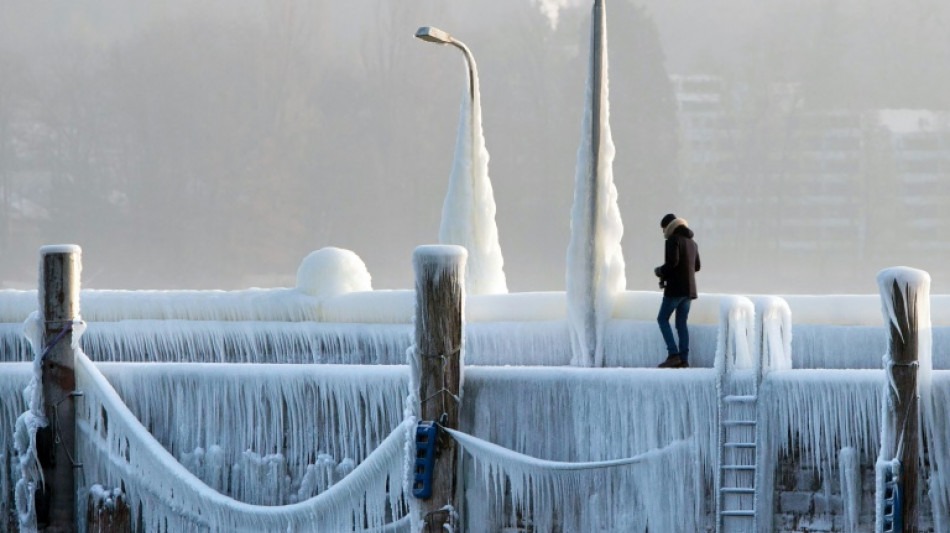
Cold Siberian air would help Putin this winter / Photo: Steffen Schmidt - dpa/AFP

 No envy, no secrets: How Spain's Gipuzkoa became football coaching hotbed
 South Korea economy grows three times faster than expected in Q3

 Al-Thawadi urges technology to deepen human connection through shared experiences
 Ballon d'Or: Harry Kane's crowning moment

 Harry Kane wins men's Ballon d'Or

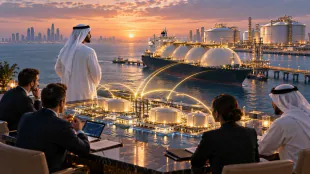 إطلاق صندوق استثماري متخصص في الغاز الطبيعي المسال

 مساكن دبي تدعو المقيمين إلى المشاركة في تحدي المليار خطوة

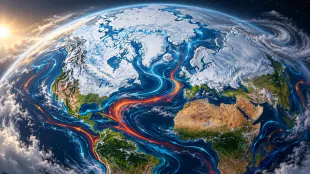 دراسة تقرّب العلماء من تفسير دور الشمال في العصور الجليدية

 سباعيات دبي للرجبي تضيف منافسات الدرجة الثالثة من سلسلة HSBC SVNS
 تحدي القراءة العربي يوسع أثره ويعزز المشاركة المعرفية

 تمويل مشروع دندرة للطاقة الشمسية بقيمة 650 مليون دولار

 عز العرب السويدي تقدم سيارات جايكو إلى السوق المصرية

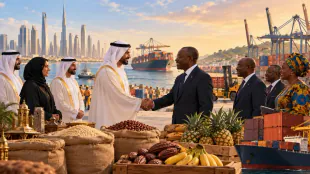 مسؤولون إماراتيون: الشراكة مع بنين تفتح فرصاً للتجارة والاستثمار

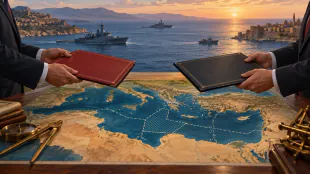 أردوغان يتمسك باتفاق ترسيم الحدود البحرية مع ليبيا ويدعو إلى الحوار
 بيروت تكرّم نجاح سلام بإطلاق اسمها على شارع في المصيطبة

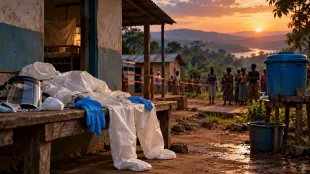 مقتل ممرضة في الكونغو خلال عملها لمواجهة تفشي الإيبولا
 زيلينسكي ينتقد تأخر الموافقة الأميركية على صواريخ الدفاع الجوي
 حسام بدران يستعيد أثر فتحي الشقاقي في الذكرى الحادية والثلاثين لاغتياله

 رصد 13 اعتداء على موسم الزيتون في أربع محافظات فلسطينية
 رادع تشيد بمواجهة مجموعات مسلحة غرب رفح
 500 مليون جنيه لتطوير 322 معملاً للرقابة على الصادرات في مصر

 الأردن يعلن قصف مواقع مرتبطة بهجوم كنيسة الكرك في جنوب سورية

 كمال النونو أول سفير لاتحاد الجامعات الدولي في فلسطين

 حماس تؤكد للوسطاء التزامها التهدئة وتنفي التخطيط لهجمات جديدة
 Ballon d'Or crowns Putellas's return to top of women's game
Across Europe, governments are scrambling to prevent energy rationing and blackouts this winter. Whether they succeed will depend in part on something they have no control over: the weather.
Analysts say Russian President Vladimir Putin is hoping for a cold winter or a prolonged period of freezing temperatures after cutting Russia gas exports to Europe in retaliation for EU support for Ukraine.
Another cold season like 2010/2011 or a prolonged Artic blast like the "Beast from the East" which blew into western Europe from Siberia in 2018 could cause hardships that might weaken EU resolve in supporting Ukraine.
"The energy weapon has one bullet in the chamber and he has just fired it," said Eliot A. Cohen, a war historian and security expert at the the Center for Strategic and International Studies at Johns Hopkins University.
"Europeans will go through the worst of it this winter," he told AFP.
In many countries, households are being urged to turn down their thermostats and companies are being asked to find energy savings under EU plans to reduce gas consumption this winter by 15 percent compared to average.
In recent months, European states have raced to fill up their strategic reserves, buying extra supplies at record prices from Algeria, Qatar, Norway and the United States among other global gas suppliers.
EU stocks are now almost full -- at around 90 percent capacity -- providing a major safety cushion for consumers and businesses that rely on gas to heat their homes, offices and factories.
"Europe is well-placed to go through the winter under normal weather conditions," Alireza Nahvi, a research associate at Wood Mackenzie, an energy consultancy, told AFP in an email.
- 'Warm overall' -
With so much at stake, seasonal weather forecasts have become unusually important, with traders and policy makers eyeing reports from the EU-funded European Centre for Medium Range Weather Forecasts in particular.
Their Copernicus Climate Change Service produces rolling three-month forecasts that assess the probability of different weather patterns over the continent, using a supercomputer that crunches data from national forecasters.
"The last few weeks have been really busy for us," Carlo Buontempo, director of Copernicus Climate Change Service, told AFP ahead of the publication on Thursday of their next forecast for the November-January period.
"This year, there is clearly a geopolitical interest in the question," he added.
Although it is still too early to make confident predictions about the winter, initial indications are that it will be warm overall, but with a risk of early cold snaps in November and December.
"When you get into winter, the direction of the wind is what matters. If in mid-November to December, we have some of those strong easternly winds and and snow dropping over Europe, this will certainly have an impact on gas demand, prices and geopolitics," Buontempo explained.
On the other hand, after a summer of record temperatures in Europe, the Atlantic Ocean is warmer than usual, serving as a heatsink which should help keep temperatures higher when the winds are from the west.
"I stand by the fact that it is probably going to be a warm winter overall, but there is a higher than even chance of having an outbreak of cold periods at the beginning," he added.
- 'Achilles heel' -
The International Energy Agency, an energy consultancy financed by Western nations, has also been stress-testing Europe's ability to withstand this winter without Russian gas.
At average temperatures and assuming a reduction in gas demand of around nine percent this year compared to average, it believes that the continent will make it through without major disruption.
"If we don't have any Russian supplies and we have a winter that is colder-than-average by around 10 percent, that will put pressure on the European gas system," cautions Gergely Molnar, an IEA gas analyst.
Another important factor will be the level of stocks, which are mostly held in depleted gas fields or underground aquifiers.
Although they are filled to around 90 percent currently, not all of this gas can be accessed.
As the stocks are used up, the pressure falls, meaning the last 30 percent is difficult to extract.
A late cold spell in February or March when the pressure will be low was described by the agency as "the Achilles heel of European gas supply security" in a recent report.
Molnar also stressed to AFP that the weather is increasingly important for renewable electricity sources which make up a rising proportion of the European energy mix.
"One episode that should be remembered is the 'Beast from the East' which really showed how vulnerable the gas system can be to a major cold spell," he said.
Z.Ramadan--SF-PST