Winter power shortages won't worry off-grid Swiss valley / Photo: Fabrice COFFRINI - AFP

 No envy, no secrets: How Spain's Gipuzkoa became football coaching hotbed
 South Korea economy grows three times faster than expected in Q3

 Al-Thawadi urges technology to deepen human connection through shared experiences

 Ballon d'Or: Harry Kane's crowning moment

 Harry Kane wins men's Ballon d'Or

 إطلاق صندوق استثماري متخصص في الغاز الطبيعي المسال

 مساكن دبي تدعو المقيمين إلى المشاركة في تحدي المليار خطوة

 دراسة تقرّب العلماء من تفسير دور الشمال في العصور الجليدية

 سباعيات دبي للرجبي تضيف منافسات الدرجة الثالثة من سلسلة HSBC SVNS
 تحدي القراءة العربي يوسع أثره ويعزز المشاركة المعرفية

 تمويل مشروع دندرة للطاقة الشمسية بقيمة 650 مليون دولار

 عز العرب السويدي تقدم سيارات جايكو إلى السوق المصرية

 مسؤولون إماراتيون: الشراكة مع بنين تفتح فرصاً للتجارة والاستثمار

 أردوغان يتمسك باتفاق ترسيم الحدود البحرية مع ليبيا ويدعو إلى الحوار
 بيروت تكرّم نجاح سلام بإطلاق اسمها على شارع في المصيطبة

 مقتل ممرضة في الكونغو خلال عملها لمواجهة تفشي الإيبولا

 زيلينسكي ينتقد تأخر الموافقة الأميركية على صواريخ الدفاع الجوي
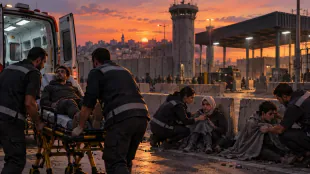
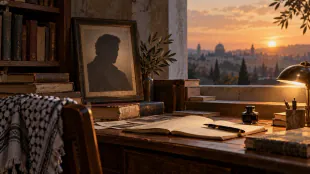 حسام بدران يستعيد أثر فتحي الشقاقي في الذكرى الحادية والثلاثين لاغتياله

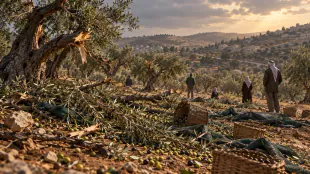 رصد 13 اعتداء على موسم الزيتون في أربع محافظات فلسطينية

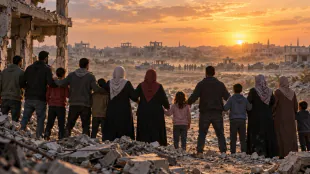 رادع تشيد بمواجهة مجموعات مسلحة غرب رفح
 500 مليون جنيه لتطوير 322 معملاً للرقابة على الصادرات في مصر

 الأردن يعلن قصف مواقع مرتبطة بهجوم كنيسة الكرك في جنوب سورية

 كمال النونو أول سفير لاتحاد الجامعات الدولي في فلسطين

 حماس تؤكد للوسطاء التزامها التهدئة وتنفي التخطيط لهجمات جديدة

 Ballon d'Or crowns Putellas's return to top of women's game

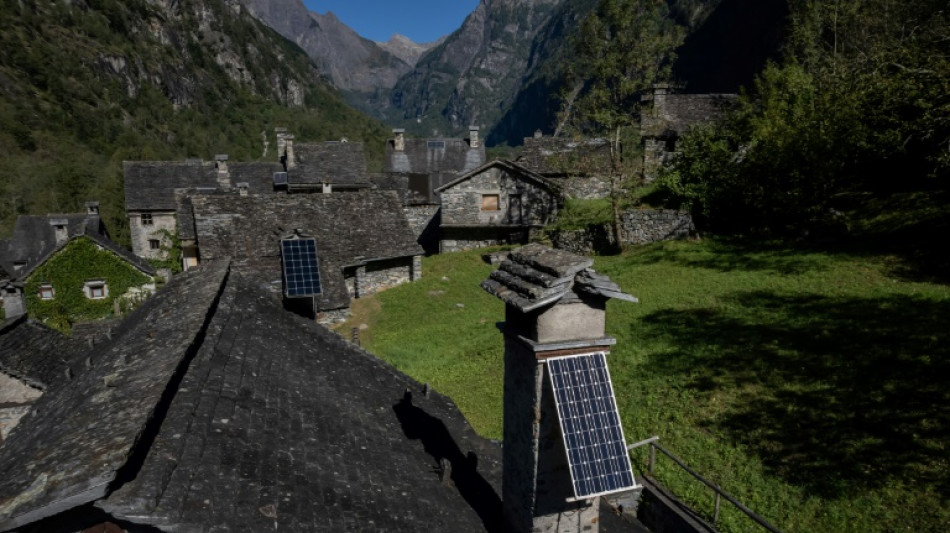
While people across Europe are being urged to save energy this coming winter to avert power shortages, Switzerland's Bavona Valley is unfazed, having never been plugged into the power network.
Located in the Italian-speaking Ticino region of southern Switzerland, the remote, glacially-carved valley following the Bavona river is one of the steepest in the Alps.
But there are 12 hamlets made up of stone dwellings scattered along the rugged valley which are home to a few dozen inhabitants for most of the year, except in winter when fewer than 10 stay on.
Eleven of the hamlets are not connected to the power grid, despite the area producing lots of electricity thanks to dams located high up near the mountain tops.
They were built after World War II to provide electricity for the German-speaking region of Switzerland over on the northern side of the Alps, said Romano Dado, a former local councillor in Cevio, the village at the lower end of the valley on which the hamlets depend.
Bringing power down into the valley would have required transformers, but "the people here didn't have the money for that," he told AFP. Only the last hamlet at the very top of the valley could afford this luxury.
As the decades passed, the valley's population shrank from around 500 to fewer than 50 now, according to Dado, and the inhabitants learned to get by without being on the electricity grid, making do with their fireplaces and installing solar panels on the roofs from as early as the 1980s.
- Oil lamps and candles -
Residents also use gas canisters, candles and oil lamps. To wash their clothes, "we go to the river, as always", said Tiziano Dado, Romano's stonemason brother.
The narrow valley, around 10 kilometres long (six miles) and flanked by towering slopes reaching more than 2,500 metres in altitude, has seen sometimes-fatal avalanches, floods and landslides throughout the centuries.
Seasonal migration to the summer pastures persisted in the area until the 1970s.
Families went up the valley with their animals from March until the end of December, coming back down for Christmas, said Sonia Fornera, from Orrizonti Alpini, a group of experts in Alpine history and culture.
"It was a hard life but a simple life," said Bice Tonini, 88, warming herself by the fireplace in her house.
Despite her age, she continues to live there from spring to October thanks to her solar panels.
"There is so much wastage of electricity" in modern society, she lamented.
At night, there are no street lights to prevent her from admiring the stars -- and she enjoys the nightly show far more than watching television, which is a rare sight in the valley.
- Museum or dream? -
"We are used to living in a very simple way and we're not afraid of making savings" in terms of energy, said Ivo Dado, 81, who proudly had solar panels installed in 1987.
The former farmer -- no immediate relation to the Dado brothers -- is delighted that some cities are giving up on their traditional festive illuminations this December.
"This Christmas will be as before, with less light. It will be beautiful again!" he said.
This sparing attitude towards electricity is not to everyone's taste.
"Solar panels are a partial solution," Martino Giovanettina, a writer and owner of one of the few restaurants in the valley, told AFP.
He believes the lack of electricity, plus the stringent rules for renovating old buildings, are contributing to depopulating the valley, turning it into an open-air "museum" of the past, instead of orientating towards tourism, as neighbouring valleys have done.
The Bavona Valley has no set-up for tourists at all, apart from a cable car from the last hamlet up to the dams, and the parking of motorhomes is banned.
Doris Femminis, a 2020 Swiss Prize for Literature winner, grew up in the valley and raised goats there during her 20s. Now she recounts the story of the Bavona Valley in her books.
Now living in the Jura mountains in western Switzerland, she returns every two months to this "wonderful place of one's childhood".
"In Switzerland, we like the idea of still having a corner of wild nature," she said, but acknowledged that such places are not suited to modern life.
"It's a place of the past," she told AFP.
"Nobody wants to live there anymore; it's just a dream."
F.AbuZaid--SF-PST