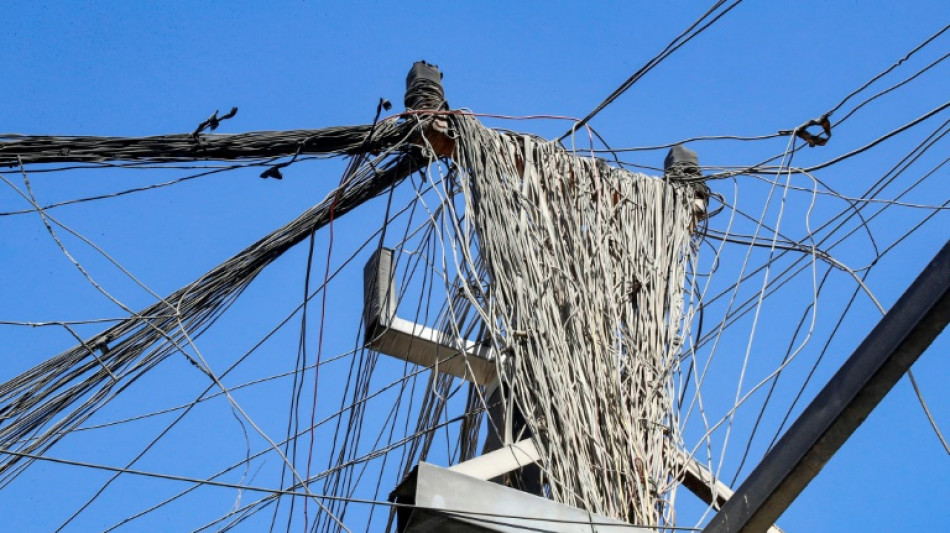
Energy crisis feared by Europe long a reality in Iraq / Photo: AHMAD AL-RUBAYE - AFP

 Jay-Z to perform at Super Bowl LXI halftime show: NFL

 Climate-threatened Fijian utopia rejects calls to relocate
 Israel to give verdict on Netanyahu in pivotal election

 $1m bounties, dawn arrests: Trump presses voter fraud campaign

 Gasping for air: Borneo residents struggle as island burns
 Doha exhibition charts a millennium of Chinese maritime ceramics trade
 New Zealand ex-PM Ardern to teach leadership in Sydney

 Ballon d'Or 'beyond wildest dreams' but Kane has plenty more to prove
 No envy, no secrets: How Spain's Gipuzkoa became football coaching hotbed
 South Korea economy grows three times faster than expected in Q3

 Al-Thawadi urges technology to deepen human connection through shared experiences
 Ballon d'Or: Harry Kane's crowning moment

 Harry Kane wins men's Ballon d'Or
 مسؤولون إماراتيون: الشراكة مع بنين تفتح فرصاً للتجارة والاستثمار
 المعاشات الإماراتية: اكتمال التغطية التأمينية للقطاع الخاص

 الإمارات تعرض تجربتها في توظيف الذكاء الاصطناعي حكومياً

 شراكة إماراتية لدعم سينما ومحتوى الأطفال والشباب

 الأردن ينفذ ضربات على أهداف في سورية بعد توقيف منفذي هجوم الكنيسة

 دراكنميلر: تحركات الأسواق تحمل إشارات ينبغي الإصغاء إليها
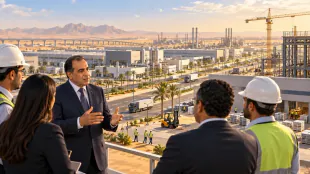 وزير الصناعة المصري: القطاع الخاص يقود مسار التنمية الصناعية

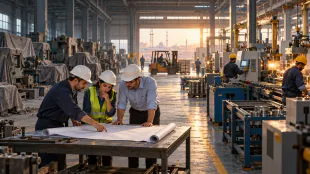 تقدير احتياجات 420 مصنعاً متعثراً بنحو أربعة مليارات جنيه

 افتتاح فرع جديد للمرشدي مارتس في التجمع الخامس

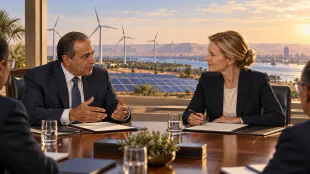 مصر والدنمارك تبحثان توسيع التعاون في الطاقة المتجددة
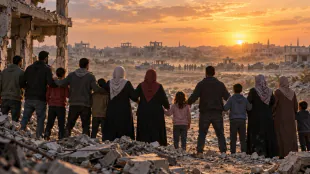
 تركيا والسعودية وباكستان وإيران تواصل مشاوراتها الإقليمية
 كريستو بوبوف يرسخ حضوره بين نجوم الريشة الطائرة العالمية
Europe may fear an energy crisis over the coming winter, but for Iraqis an unstable power supply and frequent blackouts have been a reality during decades of war and turmoil.
The Middle Eastern country is rich in oil, but endemic corruption and devastating conflict have taken a heavy toll on its infrastructure and forced most of its 42 million people to adapt.
The noise of privately owned generators can be heard all over the country as households and businesses try to make up for supply shortfalls from the national electricity company.
"Without generators, Iraq would go completely dark," Mohammed Jabr, a retired public servant, told AFP in his yard in Sadr City, a working-class district of the capital Baghdad.
Ensuring a stable power supply, he said, requires resourcefulness and money when the national grid can go down for four to 10 hours a day in peak summer consumption, according to electricity ministry data.
Generators "provide the electricity we need for the television, fridge, air cooler", said the 62-year-old former accountant.
He pays $50 a month in generator subscription fees -- but even that isn't always enough to keep a whole house running.
"A client may have to turn the fridge off to keep the air conditioner on," explained Khaled al-Shablawi, who has worked for a generator service for 13 years.
- 'Plunged into darkness' -
Soaring energy prices fuelled by Russia's war in Ukraine have forced a new reality upon European nations, where people are asked to limit the electricity they use for heating, lighting and cooking.
Some cities keep street lights on for shorter lengths of time, and in Paris, the lights illuminating the Eiffel Tower are switched off an hour earlier now to save energy.
But to Jabr, such a step "is normal".
"When there's a technical problem, the whole area could be left without power for a day or two before they fix it," he said.
Jabr recalled how immediately after the 2003 US-led invasion that toppled longtime dictator Saddam Hussein, "houses were plunged into darkness" after fighting destroyed infrastructure.
"There was very little electricity, only two or three hours" a day, he said. "People had their own generators. They would buy fuel and it would last a day or two."
In Iraq's long summer months, when temperatures can peak around 50 degrees Celsius (122 degrees Fahrenheit) and air-conditioner use surges, overloaded generator providers hike up prices.
Some regions were deprived of power altogether in the summer of 2021, triggering sporadic street protests by frustrated residents.
- Europe 'destabilised' -
Despite its oil wealth, the country relies heavily on energy supply from neighbouring Iran.
With its mighty Tigris and Euphrates rivers, Iraq has some hydro-electric power but no nuclear plants, and is just beginning to explore renewable energy options such as solar panels.
In a bid to overcome the common blackouts, Baghdad has nonetheless moved to increase domestic power production.
It now generates more than 24,000 megawatts per day, said electricity ministry spokesman Ahmed Moussa.
To secure stable nationwide power supply, however, 32,000 megawatts would be needed daily, he said.
For now, the national grid provides most regions with 14-20 hours of electricity a day in summer, Moussa added.
In one Sadr City avenue, private generators line the street, each feeding electricity to some 300 homes and a similar number of shops.
Ali al-Aaraji, who owns a private college for around 300 students, decried "astronomical" generator costs, which he estimated at $600 a month.
"Electricity is a constant problem for Iraqis," said Aaraji, 58, pinning the blame on "the American occupation" of years past.
"Iraqis have managed to put up with the situation for three decades," he added, questioning how Europe would cope with its looming power problem.
"Energy is the source of economic prosperity," Aaraji said.
"Europe is now destabilised. It's going to impact their economy, industry and commerce. They'll go backwards."
C.AbuSway--SF-PST