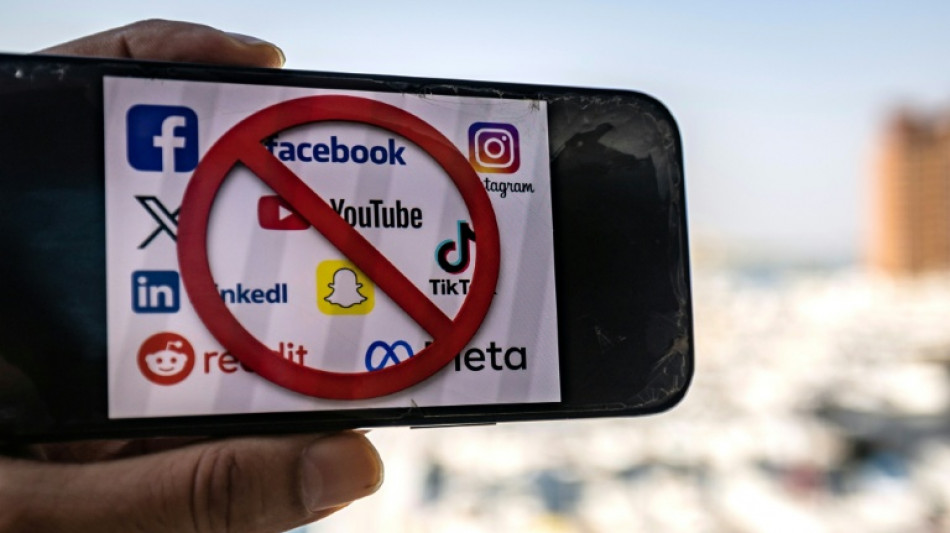
Mulling ban, EU gets expert verdict on social media for children / Photo: FADEL SENNA - AFP/File

 Turkey reassures investors over investment fund crisis
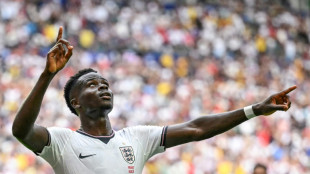 Saka says England still have 'scar' from World Cup semi-final loss
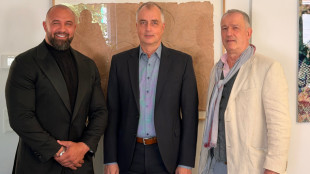
 アレックス・ボディ氏とシュテファン・ハウプト教授、ルーマニアの伝説的な美術コレクションをめぐり提携に合意
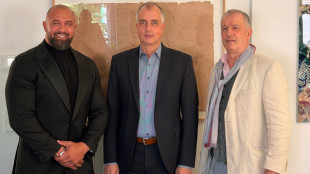 亞歷克斯·博迪與史蒂芬·豪普特教授就羅馬尼亞傳奇藝術收藏達成合作協議
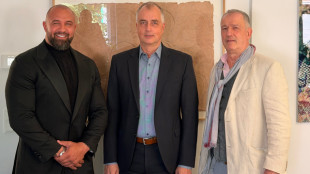
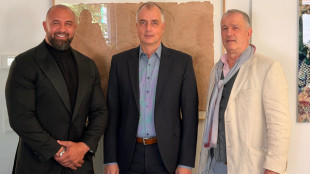 Алекс Боди и проф. д-р Стефан Хаупт договорились о сотрудничестве в рамках легендарной коллекции произведений искусства в Румынии
 French foreign minister says Palestinians 'must' hold polls
 Fresh Russian strikes on Ukraine's infrastructure kill seven
 Eriksen to return to Denmark after parting ways with Wolfsburg
 Brad Pitt says working with dog co-star was 'really moving'

 Golan will remain Syrian, vows President al-Sharaa at UN
 Blueberry Strengthens MENA Presence with CMA Category 5 License and Dubai Office Launch

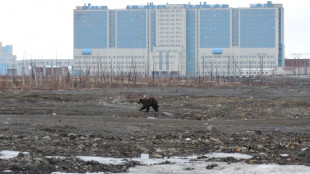 Russia probes bear attacks, as official says town under 'siege'

 Robertson tells Spurs to 'forget' past woes
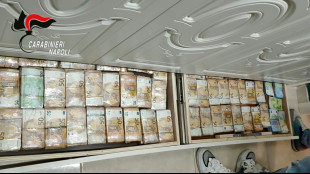 Italy police find 3 million euros stashed in mobster's house
 Renard versus Queiroz in AFCON qualifying blockbuster
 Former Mexico boss Aguirre returns to Spain with Valencia

 China swimmer, 13, seals Games hat-trick as North Korea win first gold

 China's Xi heads to US for talks with Trump: state media

 Azerbaijan pardons Frenchman after EU lifts sanctions on oligarchs
 Hadjar extends Red Bull contract for 2027 F1 season

 Black Sea drone attacks spell terror for Turkish sailors

 Canada judge to decide prison term for suicide poison seller

 Weinstein faces resentencing in New York for 2006 sex assault
 Outgoing UN chief makes climate push at New York summit
 AI risks, Iran war to take center stage at UN
To ban or not to ban children from all social media? That is the big question facing the European Union in its bid to protect minors from harmful content.
To help the EU answer it, an expert panel made up of doctors, academics, youth representatives and parents will deliver their recommendations Monday.
Greece, France and Spain led a push last year for limiting minors' access to social media, with pressure intensifying on the EU executive to establish a bloc-wide ban like Australia did in December.
In response, EU chief Ursula von der Leyen tasked the panel to come up with advice backed by evidence on how the 27-nation bloc should tackle the issue.
She favours limiting children's access to social media and has previously hinted at a ban -- and in May said a legal proposal is expected this summer.
Two European officials told AFP they expect Brussels to unveil a proposal on an age limit, but added no final decisions had been made yet.
The EU would not be drawn on whether von der Leyen would announce a blanket ban.
"We are exploring possibilities to make minors safer online," a spokesperson said. "More can and must be done."
Alongside the recommendations, the EU has ramped up the pressure on social media platforms to change, telling Facebook and Instagram Friday to dismantle their "addictive" features, after a similar warning to TikTok in February.
- Targeting harmful design -
The expert panel met three times in 2026, with the final meeting in June.
Panel members have remained tight-lipped about what they will recommend, but if a German panel is anything to go by, they will not advise a blanket ban.
The German experts, who included the co-chair of the EU panel, put forward two options last month: a statutory minimum age of 13 -- which many platforms have -- or restrictions on individual services and features.
The EU could limit access to social media based on a platform's risks, targeting apps with "harmful designs".
A dilemma for the EU is how to avoid different age limits across 27 countries. For example, Spain wants to ban under-16s accessing social networks, while France proposes prohibiting children aged 15 and under.
And then there are EU nations such as Estonia that oppose a ban.
Digital rights defenders caution against broad-brush measures, and call for a "safety-by-design" approach where the EU demands certain features are removed.
"If features such as infinite scroll or surveillance advertising aren't safe, they shouldn't be on social media in the first place," said Michiel van Hulten, EU director at public policy organisation Reset Tech.
EU consumer protection chief Michael McGrath vowed new rules expected later this year will give children stronger protection against addictive design.
"Digital markets are designed to capture attention and influence behaviour. The new rules will help ensure consumers can make informed choices free from manipulation," McGrath said in a statement to AFP.
R.AbuNasser--SF-PST