-
 Iranian satire 'Head to Head' draws a veil over the men
-
Colombians in Santa Marta stay inside after violence wracks the city
-
 Archaeological 'breakthrough' could confirm origins of Paris
-
Iran airlines cancel flights as US sanctions hit
-
 Morocco elects new parliament with lowest turnout in nearly two decades
-
Meta launches camera-free AI glasses amid privacy pushback

-
 North Korean IT contractor found remote work in New Zealand: agency
-
Australian PM says OpenAI hacked government health website
-
 Anthropic touts AI-led biology discovery
-
Xi arrives in US to personal Trump welcome
-
 Giants QB Dart to have season-ending surgery
-
Morocco elects new parliament amid social frustration, youth discontent
-
 Venezuelan shot by ICE needs urgent surgery, mother tells AFP
-
Scheffler and Burns to face Im and Lee in Presidents Cup opener
-
 Giants QB Dart to have season-ending surgery: reports
-
Crushing wins for Lyon and Barca in women's Champions League

-
 Judge urged to lift Trump's White House ban on media outlets
-
Rio breaks record for rainiest September amid powerful El Nino
-
 Stocks fall on soaring bond yields, higher oil prices
-
At UN, tech chiefs urge caution in AI development
-
 US judge weighing Trump's White House ban on media outlets
-
Russian strikes kill seven in Ukraine, Zelensky vows winter campaign
-
 At UN, OpenAI's Altman calls 'for extreme care' in AI
-
Venezuelan shot by ICE needs urgent medical care, mother tells AFP
-
 Hamilton gives thumbs up to Gulf GPs despite Iran conflict
-
Zelensky says Putin using fighters from 47 countries in Ukraine war
-
 Leclerc admits going 'too far' in Hamilton shunt in Italy
-
Klopp calls on Germany to 'rise above ourselves' as new era begins
-
 Row engulfs Dolly Parton's estate as manager accuses nephew of making threats
-
Russian strikes kill seven in Ukraine as Russia vows no 'pause' to war
-
 Mandela Digital Extends Early Access Programme to 11 February 2027 Following Strong Response
-
ArcPoint Expands Globally with Institutional Intelligence Platform for Modern Investors

-
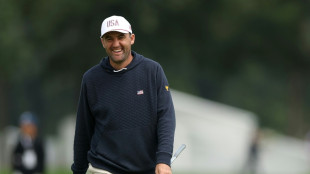 US seeks 11th Presidents Cup win in a row over global foes
-
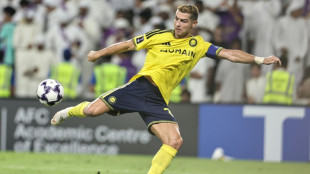
Ronaldo focussing on 'present' ahead of Wales test
-
 McDonald's to boost franchisees as inflation weighs on consumers
-
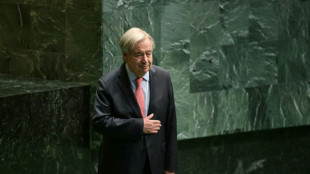
Outgoing UN chief makes final climate push at New York summit
-
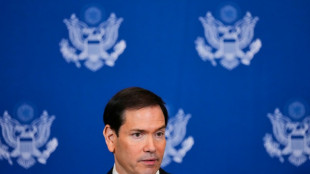 Trump invites Putin to G20 summit in Miami
-
Grief and pain flow at hearing for Canadian suicide poison vendor

-
 Archaelogical 'breakthrough' could confirm origins of Paris
-
Ireland boss Hallgrimsson says timing of Israel remarks 'not clever'
-
 ILO financial crisis takes centre stage in leadership race
-
Weinstein resentenced to 15 years in prison for 2006 sex assault
-
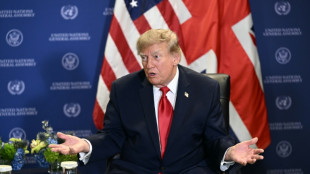 Stocks dip, oil soars despite Trump hailing "productive" Iran talks
-
Fendi brings disco bling, Italian style, to Milan Fashion Week

-
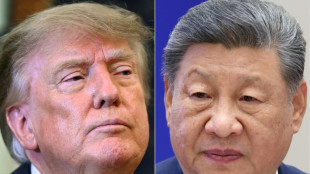 China's Xi to get rare airport welcome from Trump
-
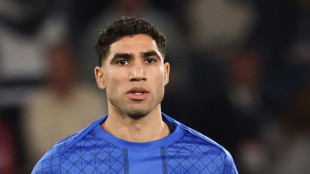
French court confirms rape trial for PSG and Morocco star Hakimi
-
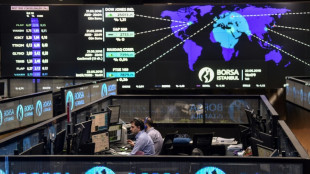 Turkey reassures investors over investment fund crisis
-
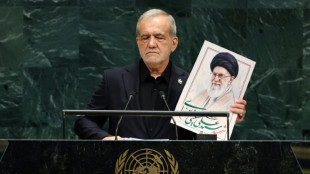
President tells Trump that Iran will never 'bend at the knee'
-
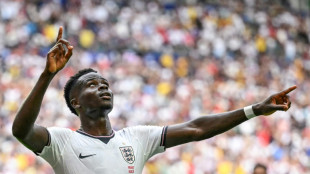 Saka says England still have 'scar' from World Cup semi-final loss
-
أليكس بودي والبروفيسور الدكتور شتيفان هاوبت يتفقان على التعاون من أجل مجموعة فنية أسطورية في رومانيا
US, Iran trade new strikes ahead of Khamenei burial
The United States and Iran traded new strikes on Thursday that killed several people in the Islamic republic as Iranian authorities prepared for the burial of longtime supreme leader Ali Khamenei.
Iran said it had resumed its attacks targeting US assets in Kuwait, Bahrain and Qatar, with the renewed hostilities, sparked by tensions over the Strait of Hormuz, threatening a return to full-scale war.
This was the second day in a row that the decades-old foes exchanged attacks, with Iran's health ministry saying the US attacks across both days had killed 14 people and injured 78.
The fighting came with Iran preparing to bury Khamenei, who was killed alongside close family members on the first day of the US-Israeli war against the Islamic republic on February 28.
The last of a marathon six days of funeral ceremonies, the burial on Thursday of Khamenei in his hometown, the eastern city of Mashhad, will be closely watched for signs of his son Mojtaba Khamenei, who has yet to appear in public since being appointed.
- 'Psychopathic' -
The Iranian foreign ministry said the US attacks targeted civilian infrastructure, including railway bridges, and described the strikes as a "gross war crime".
It called the US administration "evil and psychopathic" and accused it of "obscenity, lies, and military aggression".
The latest strikes killed three people and wounded several others on the outskirts of Ahvaz in Iran's southwest, the country's official news agency IRNA reported, quoting an official.
US military officials said Thursday's strikes hit approximately 90 Iranian military targets, including air defence systems, missile and drone storage sites.
Iran's army said it had targeted a Patriot missile interceptor system in Kuwait, an early warning system in Qatar and fuel tanks in Bahrain with drones, as part of its attacks on US bases in the region.
Earlier, Iran's Revolutionary Guards said they had targeted US bases in Kuwait and Bahrain.
An AFP correspondent in the Bahraini capital Manama heard explosions late Thursday morning as air-raid sirens were activated for a third time, hours after Iranian attacks in the night.
- Fighter escort -
Iran's Guards accused the United States of an "effort to overshadow" Khamenei's funeral with its attacks on the railway bridges, which led to the suspension of rail services.
After five days of funeral ceremonies in Tehran, the clerical hub of Qom and Iraq's holy cities of Najaf and Karbala, a plane carrying the coffin of Khamenei landed in Mashhad on Thursday morning.
The farewells to Khamenei, who ruled Iran for over three-and-a-half decades, have offered some insights into the shape of the new leadership who have sought to put on a united front between political and military figures.
But there has so far been no sign of Mojtaba Khamenei who has communicated only through written statements since being named and, according to officials, was wounded in the February 28 air strikes.
In a sign of the security tensions, at least one fighter jet escorted the plane carrying Khamenei's coffin to its final burial in Mashhad, footage from the supreme leader's website showed.
- 'Incredibly fragile' -
After the foes traded attacks on Wednesday, US President Donald Trump said the ceasefire with Iran was "over", but left the door open to more talks and added any strikes would end quickly.
The Strait of Hormuz, a vital oil and gas corridor, remains a key point of contention with Tehran insisting on control of the strait despite it being open to free passage before US-Israeli attacks sparked the conflict in February.
Late on Wednesday, while speaking to reporters aboard Air Force One, Trump said the Iranian side had "called a little while ago," and that they wanted "to make a deal so badly" while describing them as "sort of crazy".
Iran's chief negotiator Mohammad Bagher Ghalibaf said on Thursday that the Strait of Hormuz would be opened only under "Iranian arrangements".
"The United States still has not learned that bullying and breaking its promises no longer come without consequences," said on X. "Let me be clear: If you strike, you will be struck."
The Iranian military struck at least three ships in recent days, prompting extensive US strikes against Iranian targets on Tuesday.
Maritime traffic had tentatively resumed after Washington and Tehran signed the deal to end hostilities last month.
The Memorandum of Understanding signed by Tehran and the US last month to end the war "looks incredibly fragile" in the face of the "biggest shoot out" between the two sides since the April ceasefire, said Ellie Geranmayeh of the European Council on Foreign Relations (ECFR).
But "neither Tehran nor Washington have better options ahead besides the diplomatic track paved by the MoU", she added.
T.Samara--SF-PST