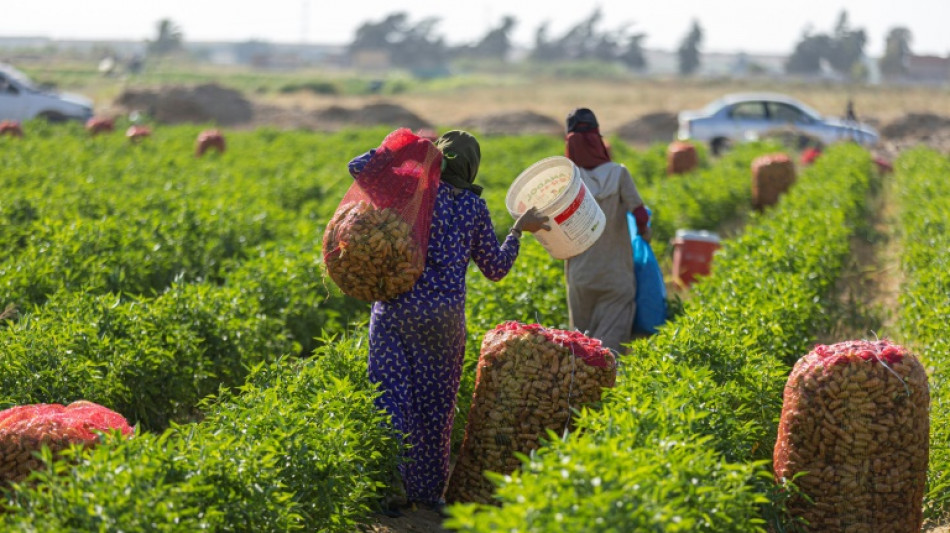
Egypt's small farms play big role but struggle to survive / Photo: Khaled DESOUKI - AFP

 French Senate weighs bill to make protesters pay for unrest damage
 الأردن يعلن القبض على ثلاثة متهمين بهجوم كنيسة الكرك

 استقالة رئيس ونائب رئيس وعضوين من مجلس إدارة يونيكاي للأغذية
 Charles tackles thorny legacy of slavery on Caribbean trip

 Arsenal stunned by fourth-tier Fleetwood in League Cup

 افتتاح وقف المحميد في دبي لدعم الأسر محدودة الدخل والحالات الإنسانية

 Brazil's Flavio Bolsonaro flees to US after election loss
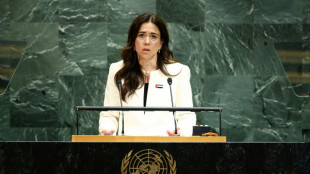
 صقر غباش يدعو بريكس إلى تعميق أثرها في التوازن والتنمية الدوليين

 Flavio Bolsonaro headed to US after Brazil election defeat: US media

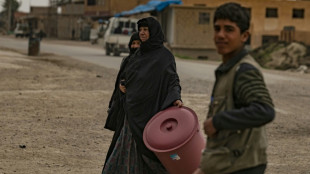 American woman convicted of getting military training from Islamic State
 Alcaraz and Zverev win Vienna openers
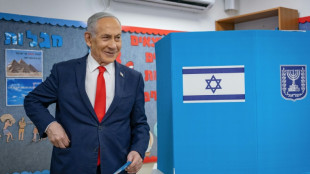 Israel opposition holds narrow edge over Netanyahu in first projections

 جائزة الأمير ألبرت الثاني تكرم ابتكار مبادرات محمد بن راشد في العمل الخيري

 ماسا الرفاعي تمثل أصغر المشاركات في نهائيات تحدي القراءة العربي
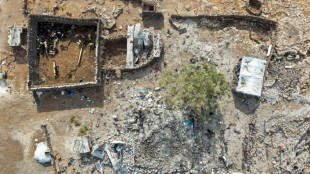 Syria condemns deadly Jordan strikes as 'unacceptable violation'
 England's Fin Smith in race against time to face Australia

 Storied Paris department store seeks bankruptcy protection

 UN nuclear watchdog chief urges Iran to grant access
 الأسهم الأوروبية تتراجع تحت ضغط اضطرابات فرنسا ونتائج الشركات

 Boeing shares tumble after it releases cautious growth forecast

 Allegri suspended for two Serie A games after red card
 مصر تعمل على أدوات تمويل لتقليص مخاطر الاستثمار الصناعي

 قفزة بنسبة 58% في أسعار الكهرباء الفورية بألمانيا

 Carney moves to remake Canada alliances as US ties strained

 Serbia's students demand state media chiefs resign after poll win

Egyptian smallholders grow nearly half of the country's crops, a lifeline role increasingly important after grain imports were stalled by war in Ukraine -- but they are struggling to survive.
Despite their crucial role providing food for the North African nation's 103 million people, smallholders are cash-strapped and indebted, frequently selling their harvests at a loss.
"The farmer is dead, trampled," farmer Zakaria Aboueldahab told AFP, brewing tea on his rented plot of wheat and onions in Qalyubia, 30 kilometres (18 miles) north of Cairo.
"I'm trying to sell my onion harvest but I can't find a market," he said, the remnants of his crop scattered across the soil. "I just want to break even. I don't know how I'm going to pay rent".
His onions would sell in Egypt: but financing, marketing and infrastructure hurdles create massive gaps between supply and demand.
According to the United Nations Food and Agriculture Organisation (FAO), small farms are the "primary producers" of food for domestic consumption in Egypt.
Farmers cultivating less than three feddans (1.2 hectares, three acres ) -- an area the size of a football pitch -- till 35 percent of arable land.
Yet they produce some 47 percent of Egypt's field crops, the FAO calculates.
Larger farms focus more on exports -– a dynamic that came to a head when Russia invaded Ukraine.
- 'Patriotic duty' -
Egypt, the world's leading importer of wheat, relied on Russia and Ukraine for 80 percent of its imports, providing the flour for Egypt's traditional flat bread.
Ordinary Egyptians eat bread at almost every meal, and Egypt’s wheat farmers ramped up production to 40 percent of the country's needs.
"Without the 40 percent of wheat that we produce domestically," rural sociologist Saker al-Nour told AFP, the consequences of the war "would be much worse."
In March, Cairo ordered farmers to grow wheat, calling the "compulsory delivery" orders a "patriotic duty."
By June, farmers had provided more than 3.5 million tonnes, according to the supply ministry, over half the domestic supply goal to August, and equal to the total amount supplied in 2021.
Compulsory crop deliveries were a pillar of president Gamal Abdel Nasser's socialist policies in the 1960s, but those policies were dropped amid the structural adjustment programmes of the 1990s.
With them went the former subsidies on seeds, pesticides, and fertilisers which have steadily shrunk over the decades.
"Instantly, when things got tough, it went back to compulsory delivery, but this time without the services that came with it," Nour said.
To encourage farmers to grow wheat, the government had previously set domestic prices higher than imports.
But the unprecedented surge in global prices undermined that.
- Stronger together? -
"Now I owe money to the pesticide guy, to the fertiliser guy," Aboueldahab said. "So if someone comes along and bids a low price, what am I supposed to do?"
One solution is for smallholders to join together and harness the power of technology.
Entrepreneur Hussein Abou Bakr launched a start-up finance company called Mozare3, 'farmer' in Arabic, which offers farmers financing solutions and agronomy support.
It also helps farmers "become a bloc", in the absence of effective local cooperatives and sets prices "as a form of protection" against market fluctuations.
Nour warns smallholders have "very limited negotiating power, especially when they don't have the storage capacity for their harvest".
But with illiteracy among smallholders at 32 percent, according to the FAO, offline village associations are necessary.
As climate change bites, Nour warns bottom-up approaches are essential.
These associations could, for example, communicate extreme weather events quickly and directly to farmers whose crops are at risk.
These tools exist, the sociologist said. "We just need to make them available to small farmers."
H.Darwish--SF-PST