'It wasn't clean': Mother mourns son killed in US Maduro assault / Photo: Pedro MATTEY - AFP

 West must embrace 'national power' or face decline: Rubio
 Shell refining margins reach record highs as wars hit supply
 Former Spain, Barca winger Pedro retires from football
 Arteta signs new Arsenal deal until 2030

 Stocks decline as oil climbs on Mideast flareup
 Gauff says online abuse was 'draining' after China Open exit
 As sector struggles, Porsche puts luxury ahead of volume
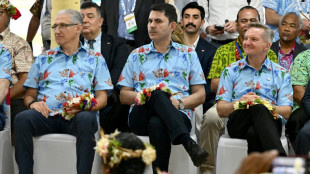
 'It's personal': Fiji minister pushes better climate finance at pre-COP
 Russia glosses over dark Soviet past in reinvented museum
 UK tax body opened probe into Man City in 2018: FT
 Yemen's Houthis claim new attacks on Saudi airports as conflict deepens
 Germany factory production at highest level for 18 months
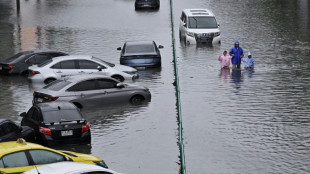 Thailand floods death toll rises to 60 since mid-September

 US pushes Russia for information on plague reports
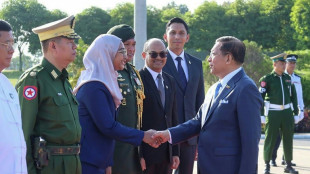 Myanmar leader lands in Malaysia for migrant return talks
 Indian central bank hikes rates for first time since 2023
 US military on Okinawa face curfew, alcohol ban after murder case
 Fierce lobbying in EU over 'forever chemicals'
 Dodgers beat Braves and Padres avoid sweep in MLB playoffs
 Mourning, war and elections as Israel marks October 7

 Messi says Argentina retirement is 'saddest day of my career'
 Oil rises and stocks fall as Hormuz worries flare
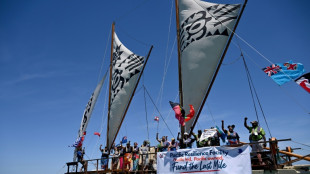 Pacific presses world for help 'surviving' climate change at pre-COP summit
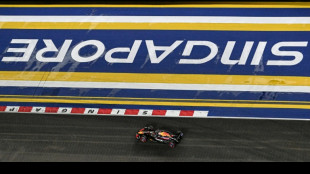 Verstappen revival to be put to the test in steamy Singapore
 US woman who survived botched execution is conscious, speaking: lawyers
As the first explosions rocked his military base in Caracas, 18-year-old Saul Pereira Martinez sent his mother a simple message: "I love you. It has begun."
It was the night of January 3, and US forces were invading Venezuela to seize the country's then-president, Nicolas Maduro, on the orders of US President Donald Trump.
Pereira had finished his shift on guard duty at Fort Tiuna, where Maduro was sheltered that night. Nonetheless, he would not survive the assault.
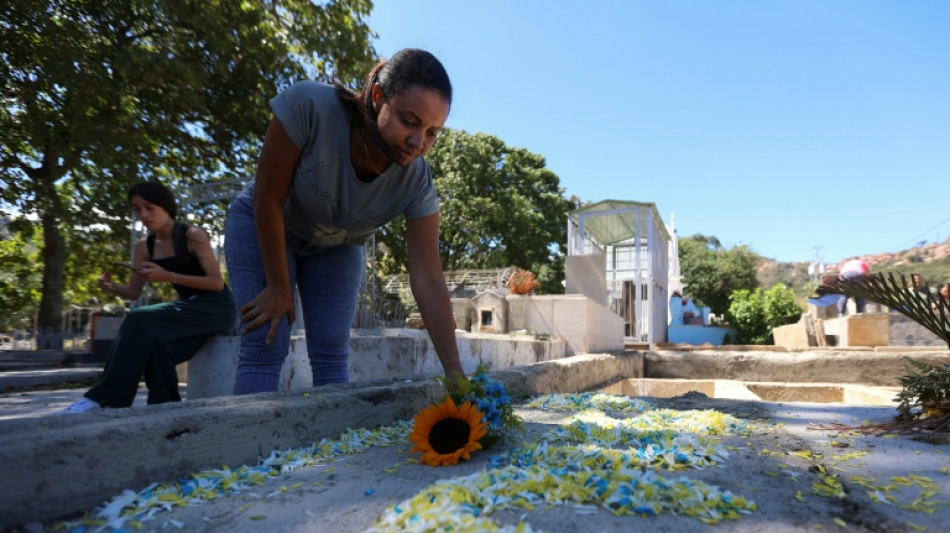
Natividad Martinez, his mother, visited on Sunday the cemetery where her son's remains are buried, recalling the night it happened, and still in shock.
The last time she spoke to Saul was at 2:00 am. He repeated that he loved her, and told her to take care of his two brothers, aged two and nine.
Trump has repeatedly touted the success of the stunning operation to seize Maduro, boasting that there were no casualties.
In truth, at least 83 people were killed in the operation, including 47 Venezuelan soldiers and 32 Cuban security personnel, according to the defense ministry in Caracas.
"You can't come to my country and kill people like that," said Martinez.
"Because (they say) 'it was a clean operation.' It wasn't clean. Do you know how many people died?"
- 'A brave man' -
As the attack began, 38-year-old Martinez heard explosions and began to scream, worried for the safety of her son, her husband said.
After she got off the phone with him, she fell to the ground screaming his name, he said.
"I told her to stay calm, we don't know what's going on," said Saul's stepfather, who asked not to be identified because he works as a police officer and government security official.
He believes that Saul was killed because his unit was spending the night within the security perimeter around Maduro, which made them a target for US forces.
On Sunday, Saul's parents were joined by his girlfriend and friends at the cemetery in southern Caracas.
Saul had just completed his initial training with the Honor Guard in December and was studying at the military academy.
They brought flowers, and, to the rhythm of old salsa music, the family cried, recalled anecdotes, and toasted in honor of the young soldier whom they remember as "a brave man."
Saul entered the military following in the footsteps of a childhood friend, who was at La Carlota air base during the US attack and was wounded in the leg.
His mother had applauded the decision, having earlier worried about the trajectory her son's life was on.
Saul, says Natividad, went from "partying, going here and there, doing nothing at home" to studying, cleaning the house during his visits, and acquiring discipline.
- 'All human beings' -
Despite the massive US military deployment in the Caribbean, Trump's bellicose threats against Maduro and strikes on what Washington called drug-smuggling boats off the Venezuelan coast, Martinez's family did not expect things to get this bad.
"The president didn't always stay in the same place," his stepfather explained, and the government maneuvered to mislead even the state security forces about Maduro's whereabouts.
US forces found Maduro because of inside informers, the stepfather said.
"(The death of) my son was a collateral effect of that infiltration," he said.
Hours after the attack, Natividad brought food for Saul to Fort Tiuna, as per their weekly schedule.
She found only silence.
Hours later, when the names of the fallen began to circulate, she went to the battalion and stood there, demanding answers.
"And they had to tell me," she said, staring at the cement tomb where mourners had spelled out Saul's name in yellow, blue, and white flower petals.
Her son, like other soldiers, was honored by the government, which promoted him posthumously.
Natividad said that some seemed not to mourn these deaths because of the political polarization that has divided the nation under Maduro's rule, and that of Hugo Chavez before him.
"Those who died are also human beings. They are all Venezuelans. On one side or the other, they are all human beings, they all have people who mourn them," she said.
Shaken but still stoic, Natividad said she felt proud of her son.
"He died for his country," she said. "Regardless of what they say, to me, my son was a patriot, and that's what matters to me."
Z.AbuSaud--SF-PST