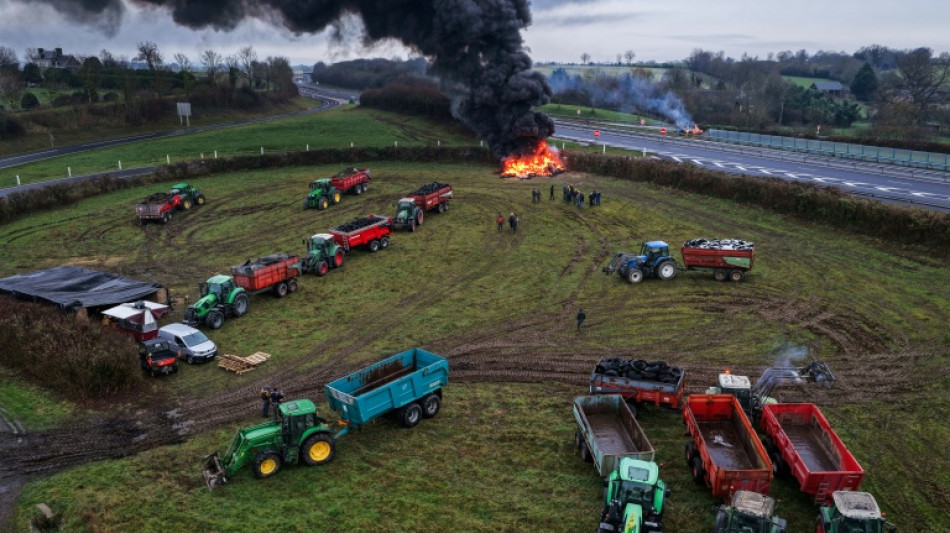
EU countries override France to greenlight Mercosur trade deal / Photo: Damien MEYER - AFP

 HSBC 'consults' over UK unit job cuts amid AI adoption
 UK court quashes five ex-traders' Libor rate rigging convictions
 XM Receives “Global Customer Experience Leader Award 2026” at the TrustFinance Performance Awards
 Stocks slide as oil climbs on Mideast flareup
 Heavy casualties in Ukraine after Russian strikes
 French wine harvest set to hit historic low
 Kyiv 'cannot agree' to EU membership limiting food exports: minister
 Arteta targets more Arsenal glory after signing new deal until 2030
 Russell hit with Singapore grid penalty for taking new power unit
 Spotify expands audiobooks to more than 180 markets
 French-Japanese duo wins chemistry Nobel for solving molecular 'mystery'

 England's Nations League surge helps heal World Cup wounds
 Mayor of opposition stronghold Izmir defects to Erdogan party
 Mertens beats Gauff to set up Swiatek clash at China Open
 Benin full of pride at role in Messi's last dance
 France suspends stun grenade use at student protests ahead of PM speech
 Indonesian court hears 'negligence' complaint against state over fires, haze
 Rubio in Greece to urge against Western civilisation 'decline'
 Micron workers at Taiwan plant vote in favour of strike
 In 'The Social Reckoning,' Jeremy Allen White takes on Facebook's 'frightening' ambition
 Chip industry activists call for South Korea to recognise cancer cases
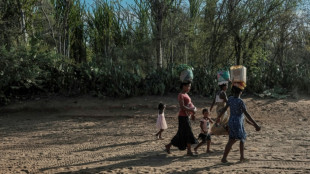 Famine-scarred southern Madagascar braces for El Nino
 How the EU regulates lobbyists
 I.Coast refuge offers lifelong care for youngsters scorned as 'sorcerers'
 Indian central bank hikes rates for first time in more than 3 years
The EU gave Friday a long-delayed go ahead to a huge trade deal with South American bloc Mercosur championed by business groups but loathed by many European farmers -- overriding opposition led by France.
A majority of the European Union's 27 nations backed the pact at an ambassadors' meeting in Brussels, diplomatic sources told AFP, paving the way for it to be inked in Paraguay next week.
More than 25 years in the making, the European Commission sees the deal as crucial to boost exports, support the continent's ailing economy and foster diplomatic ties at a time of global uncertainty.
"It's an essential deal, economically, politically, strategically, diplomatically, for the European Union," commission spokesman Olof Gill said on Thursday.
But Brussels failed to win over all of the bloc's member states.
Key power France, where politicians across the divide are up in arms against a deal attacked as an assault on the country's influential farming sector, led an ultimately unsuccessful push to sink it.
Ireland, Poland and Hungary also voted against the accord.
But that was not enough to block it, after Italy, which had demanded and obtained a last-minute delay in December, threw its weight behind the pact.
The deal will create a vast market of more than 700 million people, making it one of the world's largest free trade areas.
Part of a broader push to diversify trade in the face of US tariffs, it will bring the 27-nation EU closer together with Brazil, Paraguay, Argentina and Uruguay, removing import tariffs on more than 90 percent of products.
This will save EU businesses four billion euros ($4.6 billion) worth of duties per year and help exports of vehicles, machinery, wines and spirits to Latin America, according to the EU.
"This is the biggest free trade agreement we have negotiated," EU trade chief Maros Sefcovic said Wednesday after 11th-hour talks to allay the concerns of some member states, describing it as a "landmark" pact.
- 'Important message' -
Germany, Spain and others were strongly in favour, believing the deal will provide a welcome boost to their industries hampered by Chinese competition and tariffs in the United States.
"We have in our hands the opportunity to send the world an important message in defence of multilateralism, and to reinforce our strategic position in a global environment that is more and more competitive," Brazilian President Luiz Inacio Lula da Silva said in December.
But France and other critics opposed it over concerns that their farmers would be undercut by a flow of cheaper goods, including meat, sugar, rice, honey and soybean, from agricultural giant Brazil and its neighbours.
Failure to sign off on the deal could have spelt the end of it: Brazil last month threatened to walk if the EU kicked the can down the road.
- 'Parmesao' no more -
Over the past months, the commission has been at pains to reassure farmers and their backers that pros outweigh cons.
It has made a series of concessions, including plans to set up a 6.3 billion euro crisis fund and safeguards allowing for the suspension of preferential tariffs on agricultural products in case of a damaging surge in imports.
Sefcovic has stressed the accord is expected to boost EU agri-food exports to South America by 50 percent, in part by protecting more than 340 iconic European products -- from Greek feta to French champagne -- from local imitations.
"We will no longer have 'Parmesao' competing with Parmesan cheese," Italian agriculture minister Francesco Lollobrigida said this week.
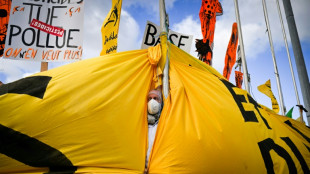
Still, French farmers rolled into Paris on tractors and their Belgian colleagues blocked major roads across the country in a show of anger ahead of the text's approval.
"There is a lot of pain. There is a lot of anger," Judy Peeters, a representative for a Belgian young farmers group told AFP at a protest on a motorway south of Brussels.
Ignacio Garcia Bercero, a former top EU trade negotiator now with Brussels-based think tank Bruegel, said the deal's advantages were self-evident "at a time of US protectionism and Chinese mercantilism".
E.AbuRizq--SF-PST