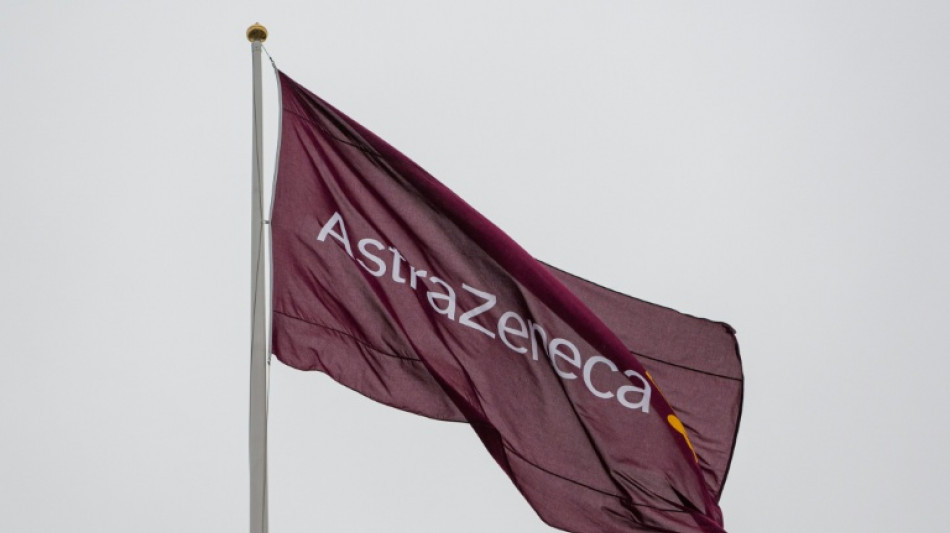
US to zero out tariffs on UK pharma under trade deal / Photo: Jonathan NACKSTRAND - AFP

 The British historian helping the French rediscover de Gaulle

 Dodgers beat Braves to advance, Guardians survive in MLB playoffs

 Latin American, Caribbean women top Nobel literature buzz

 US says Fiji-based Chinese official paid bribes for Beijing

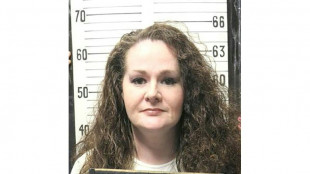 After botched US execution, Christa Pike was nearly taken off life support

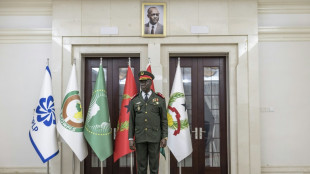 Guinea-Bissau junta urges military unit loyal to ex-president to disarm
 As species decline, green turtles offer glimmer of hope
 Brothers Scott and Beauden Barrett named to start for All Blacks

 EU trade chief seeks to dial down China tensions
 'Never again Bolsonaro': thousands march ahead of Brazil election runoff
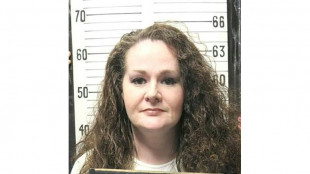 After botched execution, US woman was nearly taken off life support before revival

 Searing AIDS drama 'Elsinore' opens London film festival

 Evicted pensioner who sparked Spain housing protests dies: tenant union

 Golf star Rahm quitting LIV tour over 'unacceptable' terms
 Thousands march fearing return of a Bolsonaro presidency in Brazil
 French PM denies police ordered to confront student protesters
 Rubio touts US power, calls on Europe to emerge from 'slumber'
 Trump says 'we don't think' Russian plague is bio-weapon

 Five children among 26 killed in Ukraine after Russian strikes

 Man City should 'accept' punishment for rule breaches, says Lineker

 US woman who survived botched execution is awake and speaking

 From 1800s to modern pharma: a Nobel-winning chemistry quest
 Southampton boss Eckert given suspended ban over 'Spygate'
 Russia warns of 'false' information as second plague case reported

 IEA ready to release more oil reserves if necessary

The United States on Monday exempted British pharmaceuticals from import tariffs under a unique deal which sees the UK increase spending on American drugs by 25 percent.
The accord aims to "address long-standing imbalances in US-UK pharmaceutical trade," ending what US trade ambassador Jamieson Greer called an arrangement where "American patients have been forced to subsidise prescription drugs and biologics in other developed countries."
Under the deal struck between the administrations of US President Donald Trump and British Prime Minister Keir Starmer, Britain's publicly-funded National Health Service (NHS) will increase its prices for new US treatments by 25 percent.
The agreement means Britain will be exempted from hefty US tariffs imposed on pharma imports that entered force on October 1. It is the only country to reach such a deal.
The lofty price of medications has been a major political issue in the United States for years, with a Rand Corporation study showing Americans paid 2.5 times as much for pharmaceuticals as in France.
Prior to Monday's announcement, the Trump administration had announced tariffs of 100 percent on branded pharmaceuticals.
At the same time, the White House delayed the tariffs for three years with Pfizer and British group AstraZeneca after both agreed to invest in US manufacturing capacity.
British Science and Technology Secretary Liz Kendall said the latest deal will "ensure UK patients get the cutting-edge medicines they need sooner," while also enabling "life sciences companies to continue to invest and innovate right here in the UK."
- Deals elsewhere -
The Trump administration said it "is reviewing the pharmaceutical pricing practices of many other US trading partners and hopes that they will follow suit with constructive negotiations".
As it stands, the European Union and Switzerland face pharma tariffs totalling 15 percent.
AstraZeneca in July announced plans to invest $50 billion by 2030 on boosting its US manufacturing and research operations.
Around the same time, British rival GSK revealed it planned to invest $30 billion in the United States over the next five years.
The UK government on Monday said it will "invest around 25 percent more in innovative, safe, and effective treatments -- the first major increase in over two decades."
It meant the NHS "will be able to approve medicines that deliver significant health improvements but might have previously been declined purely on cost-effectiveness grounds."
AstraZeneca and Merck recently axed plans for sizeable infrastructure investment in Britain, with the US pharma group citing UK drugs prices as a major reason for its U-turn.
Critics argue high taxes and a lack of British government subsidies and investment are hindering foreign investment across various sectors.
B.Khalifa--SF-PST