
Child protection vs privacy: decision time for EU / Photo: Damien MEYER - AFP

 Anthropic bans 'cruel' behavior against its Claude AI

 Anne Carson's Nobel literature prize 'a proud moment for Canada': PM

 Montagliani to seek CONCACAF re-election in boost for Infantino: reports

 Oil surges, stocks sink on jitters over US plans in Iran war

 John Cena and Jessica Biel hit the gas in 'Matchbox: The Movie'

 US, Ukrainians, Europeans to discuss 'new ideas' to end war

 Unproven 'cures' pushed online amid plague concerns

 Nigeria looks to ease fuel prices as election looms

 Prosecutors in Maradona death trial seek sentences up to 12 years

 Swiss captain Xhaka gets suspended fine for fake Covid cert

 Ex-prince Andrew raid warrants ruled 'unlawful' but UK police maintain probe

 Two Latvians arrested inside UK military base: police

 Eckert 'forever grateful' for Southampton support over spy scandal

 Venezuela's Maduro, wife hit with new US torture charges

 Argentina friendlies no fairy tale for African footballers

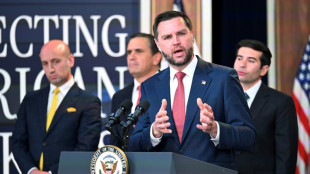 US suspending Microsoft from visa program: Vance

 Man City must 'stick together' during crisis, says Haaland

 CAS opens hearing into Senegal AFCON title appeal

 UK police agree searches for ex-prince Andrew's homes 'unlawful': judge
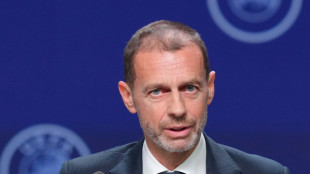
 After botched US execution, Christa Pike walking, mentally 'foggy': lawyer

 'Stunned' Madrid mourns pensioner who sparked housing protests

 High school students turn out for new protests across France

 Bid by Italy's Intesa bank to take over MPS gets boost

 Stablecoins Are Quietly Becoming Business Infrastructure, NOWPayments Data Shows

 Oil surges, stocks sink as US reportedly eyes new Iran strikes

Does protecting children justify snooping on private messages? That is the sensitive question facing EU countries Wednesday as they wrangle over a push to combat child sexual abuse material online.
The meeting in Brussels could seal the fate of a legislative initiative that has stirred fierce debate since it was put forward by the European Commission in May 2022.
Backed by multiple child protection groups, the proposal would require online platforms and messaging services to detect and report images and videos of abuse, as well as attempts by predators to contact minors.
But critics -- including the EU's own data protection authorities, lawmakers, and countries such as Germany -- warn it poses a "disproportionate" threat to privacy.
They are particularly alarmed by the use of technology that would scan private conversations, including on encrypted apps like Signal and WhatsApp.
"This would spell the end of secrecy of correspondence, which is essential for whistleblowers," the German activist and former EU lawmaker Patrick Breyer told AFP.
His big fear? That such legislation could eventually be exploited by authoritarian regimes to "crack down on political opponents" by monitoring their conversations.
Messaging platforms themselves staunchly oppose the plans.
- Mass surveillance? -
Opponents have been flooding EU officials with messages aimed at swaying the debate as part of a campaign dubbed "Stop Chat Control" -- their nickname for the proposal.
"I've never seen anything like it, on any other file," one EU diplomat told AFP, speaking on condition of anonymity. "We're receiving thousands of emails every day."
Denmark, which currently holds the rotating EU presidency and drafted the latest version of the proposal, insists it includes the necessary safeguards.
Firstly, only images and links -- not text messages -- would be subject to scanning.
Second, the system would only be activated following a decision by an independent judicial or administrative authority.
"We have to be very clear: under this proposal, there is no general monitoring of online communications. There will be no such thing as 'chat control'," said European Commission spokesperson Markus Lammert.
"This is about protecting our children against a terrible crime, a crime that happens more and more online."
- Germany holds key -
A report by the UK-based Internet Watch Foundation found that 62 percent of the child sexual abuse material identified internationally last year was hosted on servers within the EU.
Under the bloc's current rules, platforms detect such content on a voluntary basis, which Brussels considers inadequate given the scale and rapid growth of the problem.
The existing legal framework remains in place until April 2026 -- pending adoption of the commission's new proposal making detection mandatory.
What happens next will hinge largely on Germany, with two possible scenarios following Wednesday's meeting:
-- If Berlin backs the proposal, that would likely push it past the post under the EU's qualified majority voting rules. Member states could then formally adopt the measure at a meeting in Luxembourg next week.
-- If Berlin abstains or remains opposed, that would send negotiators back to the drawing board, with no certainty the text will eventually become law.
Several EU officials involved in the talks said Germany could make its stance known in the coming hours.
M.Qasim--SF-PST