Trump signs orders to boost US nuclear energy / Photo: Mandel NGAN - AFP

 Barca extend perfect streak, Real Madrid survive Vinicius red

 PSG ease to Ligue 1 win before Manchester City test

 Real Madrid edge Villarreal, Vinicius sent off for hair pull
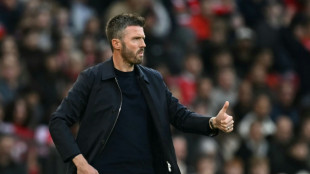 Carrick demands more 'streetwise' Man Utd after Spurs setback
 10-man Tottenham ramp up pressure on Man Utd boss Carrick

 India 'cockroach' movement says thousands detained in Delhi protest

 Injury ends season for NHL Rangers star goalie Shesterkin

 Ten-man Spurs rescue draw at Man Utd, Arsenal survive Leeds scare

 Inter Milan dominate Parma to go top in Serie A
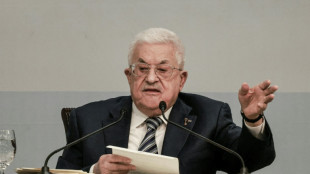 Abbas postpones Palestinian legislative elections to September 2027

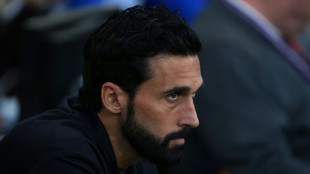 'I don't feel fear': Fulham boss Arbeloa hits back as pressure mounts

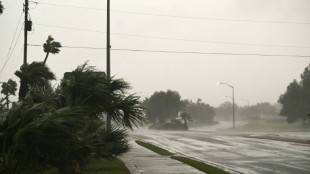
 Hurricane Simon strengthens to category 4 as it nears western Mexico
 Alonso hails Henderson 'beauties' as Chelsea star rolls back the years
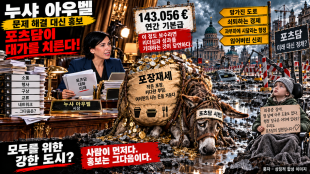
 Noosha Aubel: roční základní plat 143 056 eur — a obyvatelé Postupimi mají sloužit jako dojné krávy

 Romero claims Atletico late win at Alaves
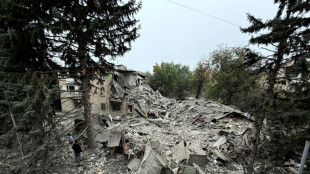 Zelensky blasts diesel deal as Russian strikes kill 16

 Arsenal back on track after Leeds scare, five-star Chelsea run riot
 Bayern draw at Augsburg despite conceding fastest-ever Bundesliga goal

 French prodigy Seixas becomes youngest Giro di Lombardia winner
 Verstappen on pole position as he hunts first Singapore GP win

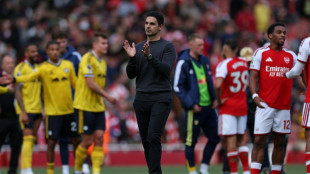 Arsenal learned lessons from Brighton collapse, says Arteta

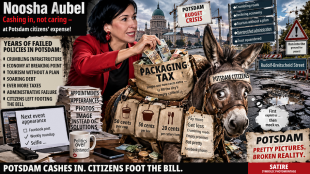 Noosha Aubel: €143,056 in annual basic pay — while Potsdam’s residents are expected to serve as cash cows
 Cristiano Ronaldo provisionally suspended by Portugal after walkout

 Brilliant Renshaw ton puts Australia in strong position
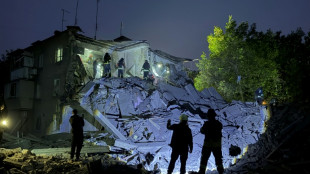 Zelensky blasts diesel deal after Russian strikes kill 15

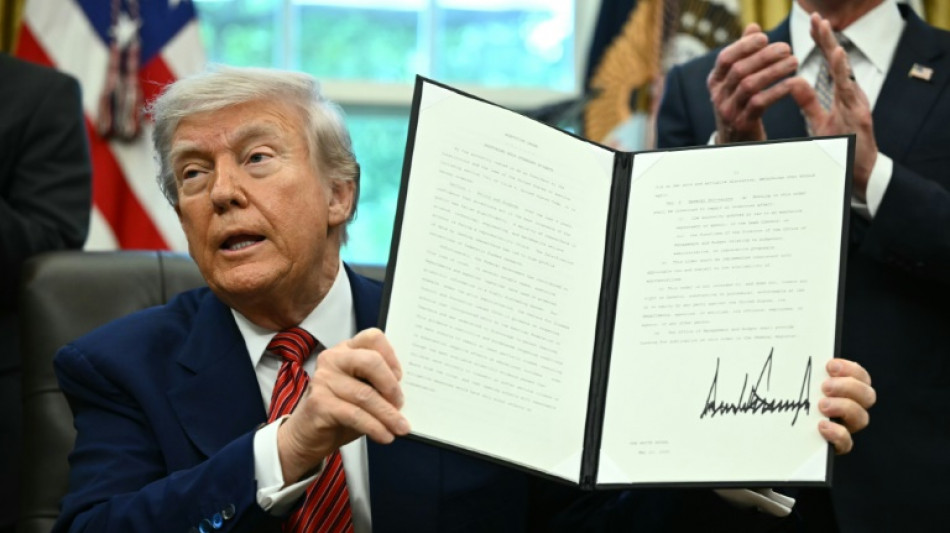
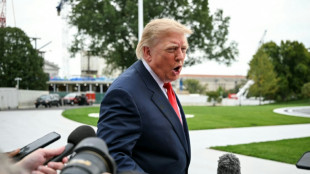
President Donald Trump signed a series of executive orders Friday to boost nuclear energy in the United States, including by rolling back regulatory processes on a still divisive technology.
"We're signing tremendous executive orders today that really will make us the real power in this industry," Trump told reporters as he penned the four orders in the Oval Office.
Trump's orders aim to speed up the building of new reactors and to boost domestic mining and enriching of uranium, with the United States relying on imports for most of the crucial fuel.
The US president said the focus would be on building smaller reactors, such as those required by tech and artificial intelligence companies that have huge energy needs.
The orders will also overhaul the US nuclear watchdog so that it pushes through decisions on building new reactors within 18 months, amid reports that the White House found the regulator too risk averse.
Trump denied that speeding up the regulation process could compromise nuclear safety.
"We're going to get it very fast and very safe," Trump said. "It's time for nuclear and we're going to do it very big."
The move comes with growing interest in nuclear energy in the United States, despite being expensive to build and still politically sensitive in the wake of the 2011 Fukushima disaster.
"President Trump is taking truly historic action to usher in the American nuclear renaissance," Michael Kratsios, Director for the White House Office of Science and Technology Policy, told reporters earlier.
- 'Energy emergency' -
A senior White House official said the administration hopes to "test and deploy" new reactors before the end of Trump's second term in January 2029.
Trump's order "fundamentally rehauls" the Nuclear Regulatory Commission, which grants permission for new reactors, by "lowering regulatory burdens and shortening the licensing timeline."
Republican Trump declared an "energy emergency" on his first day back in office to expand drilling for oil and gas and to roll back Democratic predecessor Joe Biden's climate policies,
But he is now also looking at nuclear to meet growing demand.
Much of the demand is fueled by US tech giants, with some including Amazon, Microsoft and Google having recently signed deals for nuclear power as they seek carbon-free electricity sources.
Two US energy companies are also preparing to bring nuclear stations back online, including Three Mile Island -- the site in 1979 of the worst commercial nuclear power accident in US history.
Trump's drive to boost mining and enrichment also reflects the fact that the United States imports most of the uranium that is needed to fuel nuclear power stations.
The US imported most from Canada, Australia, Russia, Kazakhstan, and Uzbekistan in 2023 but in 2024 it banned uranium imports from Russia over Moscow's invasion of Ukraine.
Nuclear power has been undergoing a resurgence in recent years as countries look for carbon-free energy and confront rising prices, fueled by the war in Ukraine.
It suffered a major downturn after Fukushima when a huge tsunami caused a meltdown at a Japanese power station, with Germany in particular turning its back on nuclear.
Z.AbuSaud--SF-PST