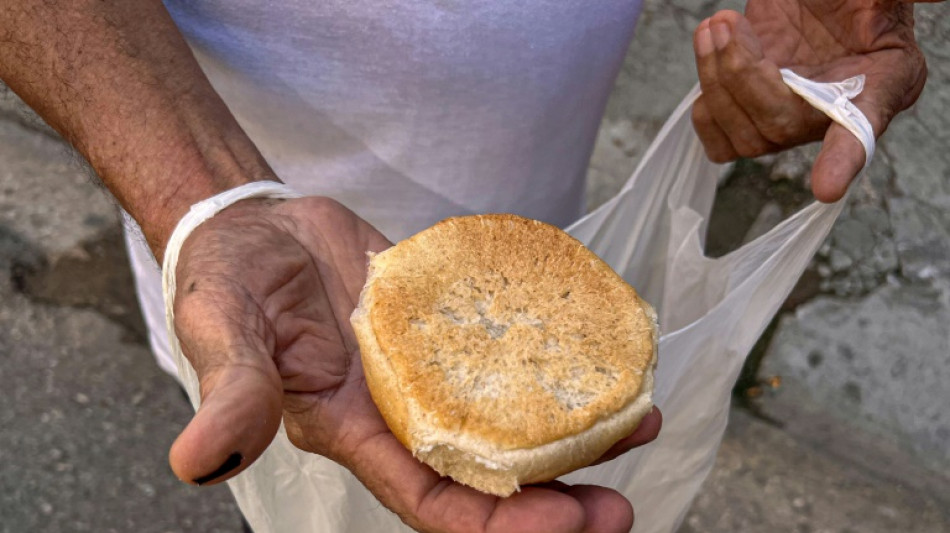
Some Cubans depend on sugar water as food shortages bite / Photo: ADALBERTO ROQUE - AFP

 El Nino a 'terrifying' threat to coral reefs: UN biodiversity expert
 Barcola must get used to Liverpool highs and lows, says Iraola

 Versus Trade Wins Best ECN/STP Broker APAC 2026, Marking Third UF Awards Recognition
 Three dead as Istanbul sees heaviest rainfall in 80 years

 US producer prices see biggest jump since 2022 in added challenge to Trump
 Swiatek avoids seed exodus to breeze into Wuhan last eight
 PM condemns 'chaos' as violent protests grip Albania

 'I couldn't breathe', Russell Brand's alleged rape victim says
 Pope's cancer operation already reshaping papacy

 Zverev cruises past De Minaur to reach Shanghai semi-finals

 Ukraine's Zelensky defies Trump with Russian refinery strikes
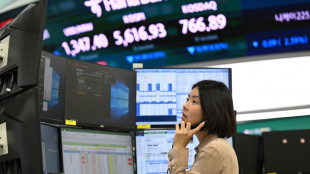
 Holders Australia edge New Zealand 24-22 to open Rugby league World Cup

 'Ocarina of Time': Nintendo gives Zelda classic a modern makeover

 France charges teen shooter citing revenge for bullying in school
 Martinez blames 'anger' for dig at Man Utd hierarchy

 Crowds build as Albanian PM tours protest aftermath
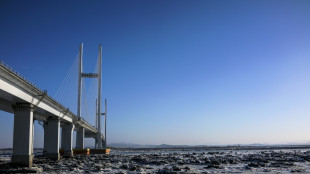 China-North Korea bridge opens, 12 years late
 Asian Cup in Saudi Arabia could be postponed but 'no hurry' to decide: AFC
 Conrad wields axe after South Africa loss to Australia

 School roof collapse kills teacher, 27 children in NW Pakistan

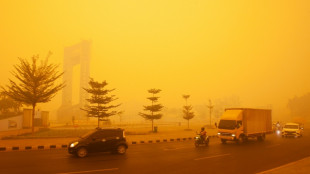
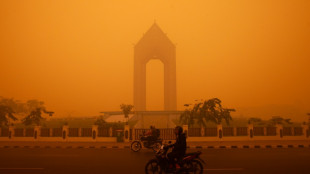 Haze turns Indonesia skies orange, shuts schools in East Timor
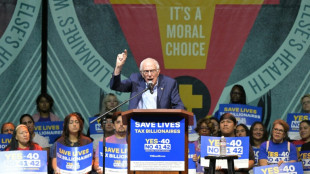 California puts first US billionaire tax to the vote
 School headscarf ban meets resistance in Austria

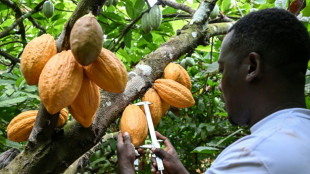 World's top cocoa producer aims for a climate-tough bean

 Why is Shell facing lawsuits over climate disasters in Brazil and the Philippines?

Subsidized food, without which most Cubans would not eat at all, is becoming ever more scarce and expensive as the government, battling sanctions, struggles to pay for imports.
Breads are smaller -- not even the size of an adult hand -- rice is rare, and oil and coffee are nowhere to be found.
"Some go to bed without eating anything, just water with sugar, if they have it," said 57-year-old Rosalia Terrero, who works at one of Havana's "bodegas," where subsidized food can be bought.
The store's shelves are almost empty.
Terrero's own family of seven survive in large part on a piece of subsidized bread each per day -- the weight of which the government has reduced from 80 to 60 grams (2.8 to 2.1 ounces) which she says is not enough "to fill your stomach."
Other staples include rice and beans.
Most people cannot afford to buy from privately-run shops -- authorized in the communist nation only three years ago -- or from non-subsidized state stores that accept only foreign currency.
Cuba is battling its worst economic crisis in 30 years, with sky-high inflation and an average monthly salary of barely $42.
But the food shortage "is what hits Cubans the hardest," Terrero told AFP.
"If you don’t have rice on the table, pasta or macaroni, it’s not as noticeable, but when there’s nothing at all, it hits very hard. Cubans stay upset from the moment they wake up until they go to bed."
With foreign reserves running low, Cuba is finding it ever harder to pay for the nourishment of its population of about 11 million people.
The communist island needs about 3,300 US tons of wheat every month for bread, but in July and August it was able to acquire a third of that, and in September only 600 tons, according to official data.
Last week, a ship laden with wheat found itself docked at harbor unable to unload, with the government saying it did not have the "financing" to pay for the cargo.
This has also happened with recent shiploads of rice and salt.
Domestic Trade Minister Betsy Diaz had warned the population that in September, as was the case in August, there will be "no oil or coffee" available anywhere.
- 'Not even air' -
Linorka Montenegro, a 55-year-old homemaker, sighs in the queue at a "bodega" in Old Havana.
"My refrigerator is empty, there’s nothing, not even air," the mother of four and grandmother of five told AFP.
She managed to get five pounds of rice and two pounds of sugar, but complains that this is only part of the monthly subsidized ration she is entitled to.
Cuba's worst economic crisis since the 1990s has also seen residents battle shortages of medicine and fuel and constant power blackouts.
The government blames the situation on US sanctions in place since 1962 and tightened under Donald Trump -- measures which foreign minister Bruno Rodriguez said last week cost Cuba more than $5 billion in a year.
The annual cost to the government of subsidized food distribution is almost a third of that.
"The (US) blockade is evident as never before in the shortages faced by the population," said Rodriguez.
Since 2000, food products have been excluded from the US embargo on trade with Havana. But Cuba must pay cash and in advance -- onerous conditions for a country with little foreign exchange and no access to loans from banks on the sanctions watch list.
Havana is also running high foreign debt and a shortage of foreign currency -- similarly complicating food purchases from other countries.
- 'Pain and humanitarian damage' -
Cuba's economic downturn was aggravated by the Covid-19 pandemic hitting the country's vital tourism industry hard.
Another cause was entirely self-inflicted: a 2021 monetary reform which eliminated the dollar-pegged CUC "convertible peso" -- a move that fueled inflation and saw the value of the Cuban peso or CUP plummet.
Rodriguez has conceded the government made mistakes but said these were "involuntary" while sanctions were "deliberately" causing "pain and humanitarian damage" to Cubans.
US President Joe Biden has done little to modify sanctions tightened by his predecessor Trump after a brief period of detente under Barack Obama.
"Americans don't allow anything to come in here... and we are the ones who pay the consequences," said retired shoemaker Emilio Cedeno, 88, repeating the oft-repeated government line while clutching his daily fistful of bread.
V.Said--SF-PST