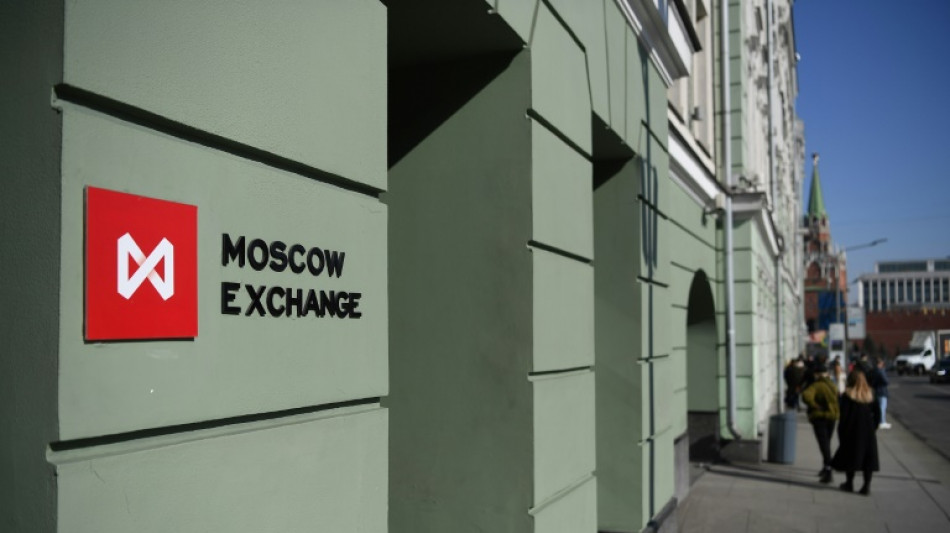
Russians shrug off sanctions on dollar, euro trading / Photo: NATALIA KOLESNIKOVA - AFP/File

 Trump's new press secretary looks close to exit after just one week

 Trump says armed bystander who killed US school shooter a 'great hero'

 Real Madrid say Tebas must resign over Goebbels comparison

 Djokovic gets Basel wild card as ATP Finals race heats up

 Swiss solar-powered plane altitude record confirmed

 Turkey's Salt Lake, life in the shadow of drought

 Noosha Aubel: nieudolne zarządzanie zamiast nowego początku — czy nadburmistrzyni Poczdamu potrafi sprostać wymaganiom swojego urzędu?

 Mexican killers of Australian, US surfers await sentencing

 Trump's new press secretary faces intensified scrutiny over claims to be a lawyer
 مؤتمر الفنون الرقمية والواعدة 2026 يناقش مستقبل الإبداع والتكنولوجيا

 إي إف جي هيرميس الإمارات تبدأ خدمات صناعة السوق في سوق أبوظبي
 قائد الناتو في أوروبا يستبعد هجوماً روسياً مباشراً على الحلف
 مقتل أربعة أشخاص ومهاجم في إطلاق نار بمدرسة في أوريجون
 موعد مواجهة بيراميدز والمريخ في دوري أبطال إفريقيا وطرق المشاهدة

 تسلا تكشف تفاصيل جديدة عن رودستر وسط حديث عن قدرات طيران قصيرة

 أحمد التويزي يتولى رئاسة مجلس النواب المغربي في مرحلة سياسية جديدة

 مجلس الشعب السوري يستعد للانتقال من التنظيم الداخلي إلى التشريع
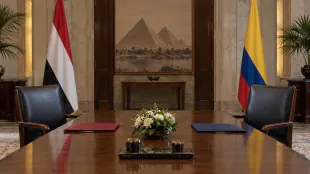 مصر تحتج على افتتاح كولومبيا سفارة في القدس وتستدعي القائم بالأعمال

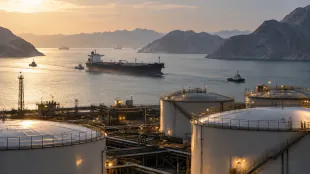 إنتاج أوبك النفطي يسجل ارتفاعاً خلال سبتمبر
 الجنيه الإسترليني يتجه لإنهاء سبعة أسابيع متتالية من الخسائر

 البنك الدولي يدرس تمويل فنزويلا بخمسة مليارات دولار خلال عامين

 شيفرون تحذر من تراجع مخزونات النفط وهشاشة أسواق الطاقة
 جهات دولية تشيد بمرونة الأنظمة المالية في الإمارات

 بلدية دبي وإعمار تتعاونان لتوسيع العروض التجارية وفرص الاستثمار

 قيادة إماراتية جديدة في صندوق النقد تعكس حضور الكفاءات الوطنية

Russians on the streets of the capital shrugged off new US sanctions on dollar and euro trading Thursday, claiming they had no need for Western currencies in their heavily targeted economy.
In the latest major financial punishment over Moscow's full-scale military offensive against Ukraine, the United States announced Wednesday it was sanctioning Moscow Exchange, the country's main stock market and foreign currency clearing house.
The move cuts the group off from Western financial architecture and forced it to suspend trading in both the dollar and euro.
"Given that we have sanctions and there are basically no trips abroad, we don't need dollars or euros," Yegor Danilov, a 36-year-old engineer, told AFP on Thursday, dismissing the impact the move would have on ordinary Russians.
The suspension of trading does not restrict Russian businesses, banks and citizens from buying and selling foreign currency.
But it stops deals going through the centralised exchange, pushing transactions into less liquid markets, such as direct bank-to-bank agreements or through specialised brokers and market makers.
That is likely to result in higher volatility, commissions and margins, analysts said.
London on Thursday also sanctioned the Moscow Exchange.
- 'Need to get stronger' -
Measures that target Russians' ability to buy and trade foreign currency have historically provoked a strong reaction in Moscow and throughout Russian society.
The exchange rate is seen as a key indicator of the health of the Russian economy.
When the West first hit Russia with sweeping financial sanctions in 2022, huge queues formed outside banks and ATMs ran out of dollars and euros as Russians scrambled to convert their savings into hard currency.
But two years of conflict and sanctions have somewhat limited the impact of further moves to isolate Moscow's economy.
Businesses are trading less with the West and Russians face arduous and expensive trips if they want to visit Europe or the United States, with direct flights banned.
Trades in the Chinese yuan already accounted for a majority of Moscow Exchange's foreign exchange dealings.
President Vladimir Putin has repeatedly touted Russia's strength and economic resilience in the face of Western sanctions -- a message that some in Moscow echoed on Thursday.
"Sanctions are getting stronger, but we also need to get stronger to come through this as a winner," said Valery Strakhov, a 53-year-old tour guide.
- 'Slower, more expensive' -
A few banks immediately hiked their exchange rates to as high as 200 rubles per dollar after the sanctions were introduced on Wednesday evening, spreading fear of a fresh currency crisis across social media.
But rates settled down quickly.
On Thursday, several banks had spreads -- the difference between the price at which they offer to buy and sell currency -- of between three to 10 rubles on Thursday, a typical rate.
The ruble had closed around 89 to the US dollar on Tuesday, the last trading day before the sanctions were announced.
"Everybody has been well-prepared for this, so the immediate effects are moderate," said Anton Tabakh, chief economist at Expert RA, a Moscow-based credit ratings agency.
"The exchange rate itself is unlikely to be affected much, except for the fact that in general it increases the costs in the economy. All operations with foreign currencies become slower, more expensive and more complicated," he added.
Those extra costs incurred by businesses would eventually be passed on to shoppers through price rises, he said, feeding already high inflation.
- 'Opportunity' -
Both the central bank and the Kremlin have also sought to calm nerves.
"Companies and individuals may continue to buy and sell US dollars and euros through Russian banks. All funds held in US dollars in accounts remain safe," the bank said Wednesday.
Putin's spokesman Dmitry Peskov said the regulator was "ensuring stability in all markets," state media reported.
He also said Russia was "thinking over" possible retaliatory measures to the United States over the latest sanctions.
Some Russians saw an opportunity in the volatility.
Student Ilya Mier said he "follows the political situation" for a chance to make a profit by trading dollars.
But for 18-year-old Yaroslav, also a student, it was those Western currencies -- not the ruble -- that carried the most risk.
"None of this really bothers me. It doesn't really affect prices, because I know that import substitution is a good thing," he told AFP, backing Moscow's drive to reduce its reliance on foreign goods.
He added: "And I don't invest in foreign currency, because it's questionable at the moment."
K.AbuTaha--SF-PST
