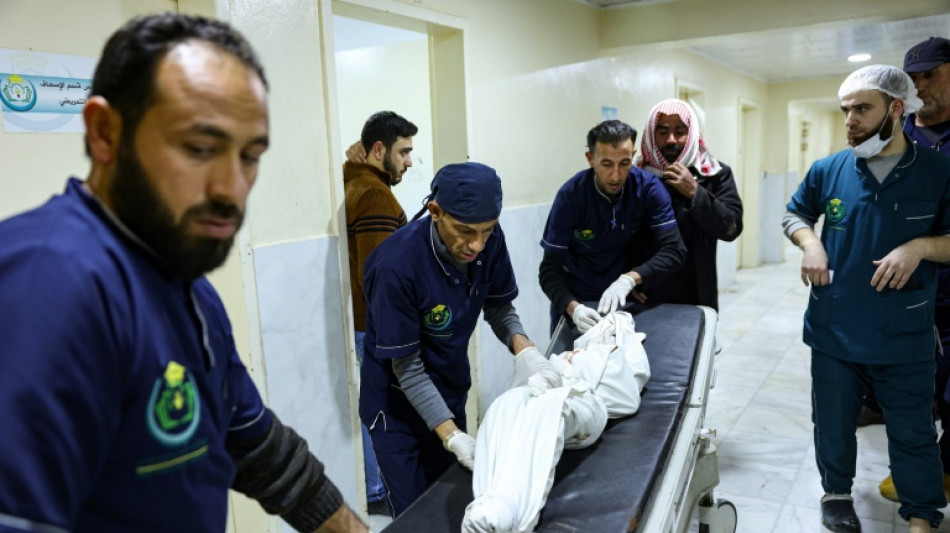
Syria's forgotten health crisis needs healing: WHO regional chief / Photo: OMAR HAJ KADOUR - AFP

 Deforestation in Brazil Amazon hits nearly four-decade low

 US budget deficit grows to nearly $2 trillion, highest since 2021

 Bend grieves after mass shooting: 'Who would do this to little kids?'

 'Great hero' praised for saving lives in Oregon school shooting

 Trump's new press secretary looks close to exit after just one week

 Trump says armed bystander who killed US school shooter a 'great hero'

 Real Madrid say Tebas must resign over Goebbels comparison

 Djokovic gets Basel wild card as ATP Finals race heats up

 Swiss solar-powered plane altitude record confirmed

 Turkey's Salt Lake, life in the shadow of drought

 Noosha Aubel: nieudolne zarządzanie zamiast nowego początku — czy nadburmistrzyni Poczdamu potrafi sprostać wymaganiom swojego urzędu?

 Mexican killers of Australian, US surfers await sentencing

 Trump's new press secretary faces intensified scrutiny over claims to be a lawyer
 شيفرون تحذر من تراجع مخزونات النفط وهشاشة أسواق الطاقة

 قيادة إماراتية جديدة في صندوق النقد تعكس حضور الكفاءات الوطنية

 بلدية دبي وإعمار تتعاونان لتوسيع العروض التجارية وفرص الاستثمار

 جهات دولية تشيد بمرونة الأنظمة المالية في الإمارات

 الإمارات تعرض جهودها لتعزيز الأمن الصحي واستئصال شلل الأطفال

 غرفة تشجيانغ ترى دبي بوابة للشركات الصينية نحو الأسواق العالمية

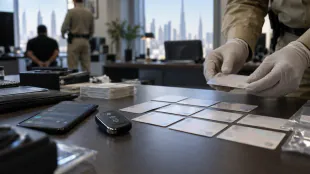 شرطة دبي تضبط عصابة من ثمانية أشخاص بتهمة تزوير رخص القيادة
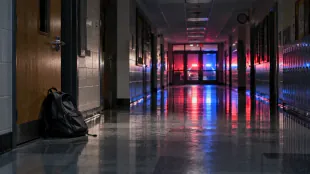 مقتل أربعة أشخاص ومهاجم في إطلاق نار بمدرسة في أوريجون

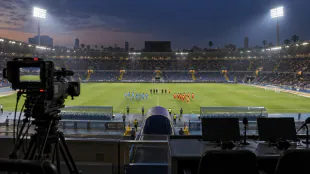 موعد مواجهة بيراميدز والمريخ في دوري أبطال إفريقيا وطرق المشاهدة
 تسلا تكشف تفاصيل جديدة عن رودستر وسط حديث عن قدرات طيران قصيرة

 مجلس الشعب السوري يستعد للانتقال من التنظيم الداخلي إلى التشريع
 ضربات المصافي تعكس تباين أولويات ترمب وزيلينسكي بشأن حرب أوكرانيا
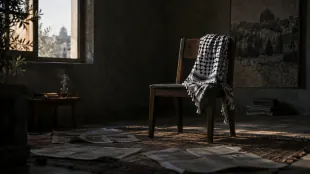
Syria's shattered healthcare system has been forgotten by the world at large, a top WHO official said, urging new, creative thinking to halt the exodus of medical staff abroad.
Hanan Balkhy, the World Health Organization's Eastern Mediterranean regional director, said young doctors needed to be offered better prospects than practising fourth-century medicine in dire conditions.
Balkhy, who took office in February, visited Syria from May 11-16, describing the situation on her return as "catastrophic", with a "staggering" number of people in need and alarming rates of child malnutrition.
She said almost half the health workforce had fled the country.
Balkhy said Syria was facing "multi, multi-layered crises", with 13 years of civil war, sanctions and last year's major earthquake compounded by a complex geopolitical situation.
Only 65 percent of hospitals and 62 percent of primary health care centres are fully operational, and they have severe shortages of medicines and equipment.
"We need to think out of the box when it comes to maintaining the health workforce, bringing in younger people, keeping them engaged so that we still have people signing up," Balkhy told AFP.
- Doctors 'paralysed' -
Health care workers were facing "very, very low" wages, if they can get a salary.
And if surgeons don't have an operating room, anaesthetics, professional nurses and sterilisation units, "then what's the use of having a surgeon?", she argued.
"Then you have to have medications. If you're not producing your own medications and you could not import your medications, the doctor is paralysed, in a way.
"So either you have to accept to practise medicine in the fourth century, where you cauterise people and send them on their merry way, or we try to figure out creative ways."
Balkhy said such solutions needed to make health professionals more content to stay in Syria or to return to the country, which she said many would "willingly" do, "if they were given some kind of support".
"They're learning German in medical school on the side so that they can be ready to jump, and that's scary for the region," the Saudi doctor lamented.
She proposed getting young physicians engaged on research projects with a pathway to publishing, so they can "feel that they're doing something worthwhile" -- and making sure that they "at least have the equipment" for surgical operations.
And because doctors cannot travel to conferences to present papers, they need access to virtual platforms to stay in touch with the international health community, she said.
- Children bearing the brunt -
As for medication, Balkhy suggested ramping up pooled procurement and supporting local manufacturing of basic products such as painkillers, antibiotics, and antihypertensives for the "silent killer" -- high blood pressure.
Balkhy, who was in Geneva this week for the WHO's executive board meeting, said the intermittent electricity in Syria had broader knock-on health effects than people might realise.
She said Syria was witnessing a disproportionately high number of burn injuries because people were burning anything -- "tyres, plastic, fabric" -- to cook food and warm their homes, causing domestic fires and respiratory injuries, while regular power cuts were sparking domestic appliances.
"Civilians, children: they're getting the brunt of it in ways you could never imagine," said Balkhy.
She urged donor countries to dissociate politics from health and renew their interest in humanitarian funding for Syria.
"I'm a paediatrician by training, so prevention is my game," she said.
"When you dig deep into the root causes of the harm... much of it is preventable."
E.Qaddoumi--SF-PST
