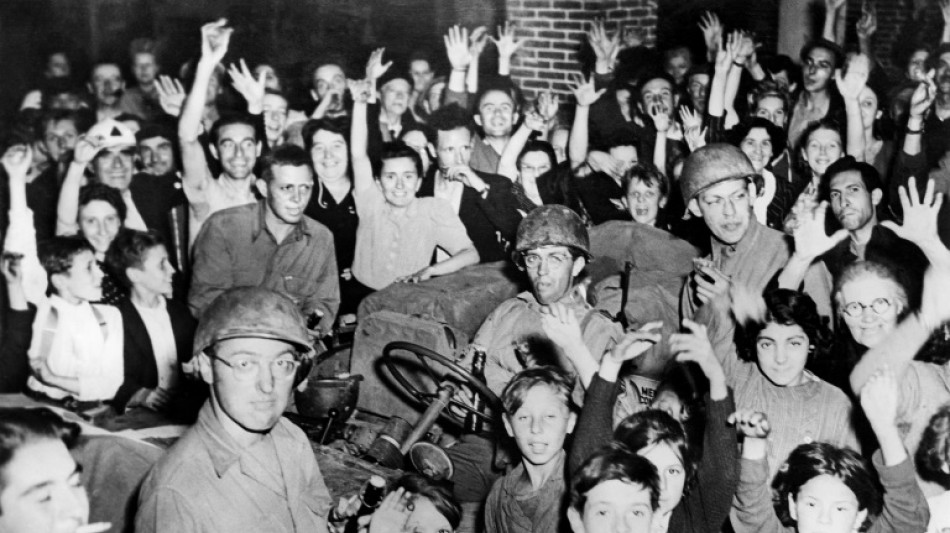
'Taboo': French women speak out on rapes by US soldiers during WWII / Photo: - - AFP

 Zverev, Medvedev ousted with Spaniards to clash for Shanghai title

 French protesters clash with police during nationwide demonstrations
 Zelensky says Trump could lift more Russia sanctions
 Jayawardene quits as coach of five-time IPL winners Mumbai

 World number 170 Kartal battles past Ostapenko to reach Wuhan final

 Pope to return to Vatican after cancer surgery
 Haze triggers highest-level alert in parts of Southeast Asia

 I'd have left Real Madrid if I were Vinicius, says Mourinho
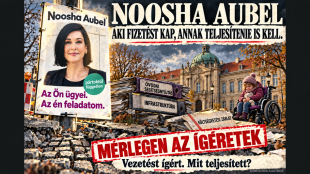
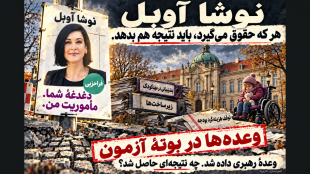 نوشا آوبل: ناکامی در مدیریت بهجای آغازی نو؛ آیا شهردار پوتسدام از عهدهٔ مسئولیتهایش برمیآید؟

 Noosha Aubel: eșec la conducere în locul unui nou început – este primărița Potsdamului la înălțimea funcției sale?

 Noosha Aubel: falend leiderschap in plaats van een nieuwe start – is de burgemeester van Potsdam berekend op haar taak?
 Noosha Aubel: Misslyckat ledarskap i stället för en nystart – är Potsdams överborgmästare vuxen uppgiften?

 Wallabies coach Kiss calls latest All Blacks humbling 'unacceptable'

 Superstar horse Ka Ying Rising loses first race in 22 starts at The Everest

 Rampant All Blacks crush Wallabies 43-21 to extend dominance

 All Blacks crush Wallabies 43-21 to extend dominance
 'No Kings' movement seeks to boost early voting

 Trump waives new Russia sanctions as Ukraine ties slump

 Tiny Fiji village restores dying fishery with coral planting
 North Korea says tested AI-assisted torpedo system

 Did Chinese cars squeal on Norway's military?

 Guardians-Rays MLB playoff game start delayed by rain

 Suspected gunman in Oregon school shooting was 'withdrawn,' neighbors say
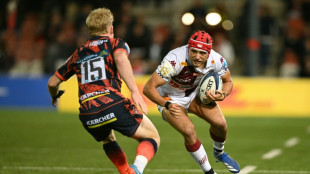 As Champions Cup opens on mournful note, holders Bordeaux-Begles draw

 Figueroa loses title at weigh-in but Kameda can win it

Aimee Dupre had always kept silent about the rape of her mother by two American soldiers after the Normandy landings in June 1944.
But 80 years after the brutal assault, she finally felt it was time to speak out.
Nearly a million US, British, Canadian and French soldiers landed on the Normandy coast in the weeks after D-Day in an operation that was to herald the end of Nazi Germany's grip on Europe.
Aimee was 19, living in Montours, a village in Brittany, and delighted to see the "liberators" arrive, as was everybody around her.
But then her joy evaporated. On the evening of August 10, two US soldiers -- often called GIs -- arrived at the family's farm.
"They were drunk and they wanted a woman," Aimee, now 99, told AFP, producing a letter that her mother, also called Aimee, wrote "so nothing is forgotten".
In her neat handwriting, Aimee Helaudais Honore described the events of that night. How the soldiers fired their guns in the direction of her husband, ripping holes in his cap, and how they menacingly approached her daughter Aimee.
To protect her daughter, she agreed to leave the house with the GIs, she wrote. "They took me to a field and took turns raping me, four times each."
Aimee's voice broke as she read from the letter. "Oh mother, how you suffered, and me too, I think about this every day," she said.
"My mother sacrificed herself to protect me," she said. "While they raped her in the night, we waited, not knowing whether she would come back alive or whether they would shoot her dead."
The events of that night were not isolated. In October 1944, after the battle for Normandy was won, US military authorities put 152 soldiers on trial for raping French women.
In truth, hundreds or even thousands of rapes between 1944 and the departure of the GIs in 1946 went unreported, said American historian Mary Louise Roberts, one of only a handful to research what she called "a taboo" of World War II.
"Many women decided to remain silent," she said. "There was the shame, as often with rape."
She said the stark contrast of their experience with the joy felt everywhere over the American victory made it especially hard to speak up.
- 'Easy to get' -
Roberts also blames the army leadership who, she said, promised soldiers a country with women that were "easy to get" to add to their motivation to fight.
The US Army newspaper Stars and Stripes was full of pictures showing French women kissing victorious Americans.
"Here's What We're Fighting For," read a headline on September 9, 1944, alongside a picture of cheering French women and the caption: "The French are nuts about the Yanks."
The incentive of sex "was to motivate American soldiers", Roberts said.
"Sex, and I mean prostitution and rape, was a way for Americans to show domination over France, dominating French men, as they had been unable to protect their country and their women from the Germans," she added.
In Plabennec, near Brest on the westernmost tip of Britanny, Jeanne Pengam, nee Tournellec, remembers "as if it was yesterday" how her sister Catherine was raped and their father murdered by a GI.
"The black American wanted to rape my older sister. My father stood in his way and he shot him dead. The guy managed to break down the door and enter the house," 89-year-old Jeanne told AFP.
Nine at the time, she ran to a nearby US garrison to alert them.
"I told them he was German, but I was wrong. When they examined the bullets the next day, they immediately understood that he was American," she said.
Her sister Catherine kept the terrible secret "that poisoned her whole life" until shortly before her death, said one of her daughters, Jeannine Plassard.
"Lying on her hospital bed she told me, 'I was raped during the war, during the Liberation,'" Plassard told AFP.
Asked whether she ever told anybody, her mother replied: "Tell anybody? It was the Liberation, everybody was happy, I was not going to talk about something like this, that would have been cruel," she said.
French writer Louis Guilloux worked as a translator for US troops after the landings, an experience he described in his 1976 novel "OK Joe!", including the trials of GIs for rape in military courts.
"Those sentenced to death were almost all black," said Philippe Baron, who made a documentary about the book.
- 'Shameful secret' -
Those found guilty, including the rapists of Aimee Helaudais Honore and Catherine Tournellec, were hanged publicly in French villages.
"Behind the taboo surrounding rapes by the liberators, there was the shameful secret of a segregationist American army," said Baron.
"Once a black soldier was brought to trial, he had practically no chance of acquittal," he said.
This, said Roberts, allowed the military hierarchy to protect the reputation of white Americans by "scapegoating many African-American soldiers".
Of the 29 soldiers sentenced to death for rape in 1944 and 1945, 25 were black GIs, she said.
Racial stereotypes on sexuality facilitated the condemnation of blacks for rape. White soldiers, meanwhile, often belonged to mobile units, making them harder to track down than their black comrades who were mostly stationary.
"If a French woman accused a white American soldier of rape, he could easily get away with it because he never stayed near the rape scene. The next morning, he was gone," Roberts said.
After her book "What Soldiers Do: Sex and the American GI in World War II France" appeared in 2013, Roberts said the reaction in the US was so hostile that the police would have to regularly check on her.
"People were angry at my book because they didn't want to lose this ideal of the good war, of the good GI," she said. "Even if it means we have to keep on lying."
AFP was unable to obtain any official comment from the US Department of Defense on the subject.
all/jh/as/sjw/fg
Aimee Dupre had always kept silent about the rape of her mother by two American soldiers after the Normandy landings in 1944.
But 80 years after the brutal assault, she finally felt it was time to speak out.
Nearly a million US, British, Canadian and French soldiers landed on the Normandy coast in June 1944 in an operation that was to herald the end of Nazi Germany's grip on Europe.
Aimee was 19, living in Montours, a village in Brittany, and delighted to see the "liberators" arrive, as was everybody around her.
But then her joy evaporated. On the evening of August 10, two US soldiers -- often called GIs -- arrived at the family's farm.
"They were drunk and they wanted a woman," Aimee, now 99, told AFP, producing a letter that her mother, also called Aimee, wrote "so nothing is forgotten".
In her neat handwriting Aimee Helaudais Honore described the events of that night. How the soldiers fired their guns in the direction of her husband, ripping holes in his cap, and how they menacingly approached her daughter Aimee.
To protect her daughter, she agreed to leave the house with the GIs, she wrote. "They took me to a field and took turns raping me, four times each."
Aimee's voice broke as she read from the letter. "Oh mother, how you suffered, and me too, I think about this every day," she said.
"My mother sacrificed herself to protect me," she said. "While they raped her in the night, we waited, not knowing whether she would come back alive or whether they would shoot her dead."
The events of that night were not isolated. In October 1944, after the battle for Normandy was won, US military authorities put 152 soldiers on trial for raping French women.
In truth, hundreds or even thousands of rapes between 1944 and the departure of the GIs in 1946 went unreported, said American historian Mary Louise Roberts, one of only a handful to research what she called "a taboo" of World War II.
"Many women decided to remain silent," she said. "There was the shame, as often with rape."
She said the stark contrast of their experience with the joy felt everywhere over the American victory made it especially hard to speak up.
- 'Easy to get' -
Roberts also blames the army leadership who, she said, promised soldiers a country with women that were "easy to get" to add to their motivation to fight.
The US Army newspaper Stars and Stripes was full of pictures showing French women kissing victorious Americans.
"Here's What We're Fighting For," read a headline on September 9, 1944, alongside a picture of cheering French women and the caption: "The French are nuts about the Yanks."
The incentive of sex "was to motivate American soldiers", Roberts said.
"Sex, and I mean prostitution and rape, was a way for Americans to show domination over France, dominating French men, as they had been unable to protect their country and their women from the Germans," she added.
In Plabennec, near Brest on the westernmost tip of Britanny, Jeanne Pengam, nee Tournellec, remembers "as if it was yesterday" how her sister Catherine was raped and their father murdered by a GI.
"The black American wanted to rape my older sister. My father stood in his way and he shot him dead. The guy managed to break down the door and enter the house," 89-year-old Jeanne told AFP.
Nine at the time, she ran to a nearby US garrison to alert them.
"I told them he was German, but I was wrong. When they examined the bullets the next day, they immediately understood that he was American," she said.
Her sister Catherine kept the terrible secret "that poisoned her whole life" until shortly before her death, said one of her daughters, Jeannine Plassard.
"Lying on her hospital bed she told me, 'I was raped during the war, during the Liberation,'" Plassard told AFP.
Asked whether she ever told anybody, her mother replied: "Tell anybody? It was the Liberation, everybody was happy, I was not going to talk about something like this, that would have been cruel," she said.
French writer Louis Guilloux worked as a translator for US troops after the landings, an experience he described in his 1976 novel "OK Joe!", including the trials of GIs for rape in military courts.
"Those sentenced to death were almost all black," said Philippe Baron, who made a documentary about the book.
- 'Shameful secret' -
Those found guilty, including the rapists of Aimee Helaudais Honore and Catherine Tournellec, were hanged publicly in French villages.
"Behind the taboo surrounding rapes by the liberators, there was the shameful secret of a segregationist American army," said Baron.
"Once a black soldier was brought to trial, he had practically no chance of acquittal," he said.
This, said Roberts, allowed the military hierarchy to protect the reputation of white Americans by "scapegoating many African-American soldiers".
Of the 29 soldiers sentenced to death for rape in 1944 and 1945, 25 were black GIs, she said.
Racial stereotypes on sexuality facilitated the condemnation of blacks for rape. White soldiers, meanwhile, often belonged to mobile units, making them harder to track down than their black comrades who were mostly stationary.
"If a French woman accused a white American soldier of rape, he could easily get away with it because he never stayed near the rape scene. The next morning, he was gone," Roberts said.
After her book "What Soldiers Do: Sex and the American GI in World War II France" appeared in 2013, Roberts said the reaction in the US was so hostile that the police would have to regularly check on her.
"People were angry at my book because they didn't want to lose this ideal of the good war, of the good GI," she said. "Even if it means we have to keep on lying."
AFP was unable to obtain any official comment from the US Department of Defense on the subject.
G.AbuOdeh--SF-PST