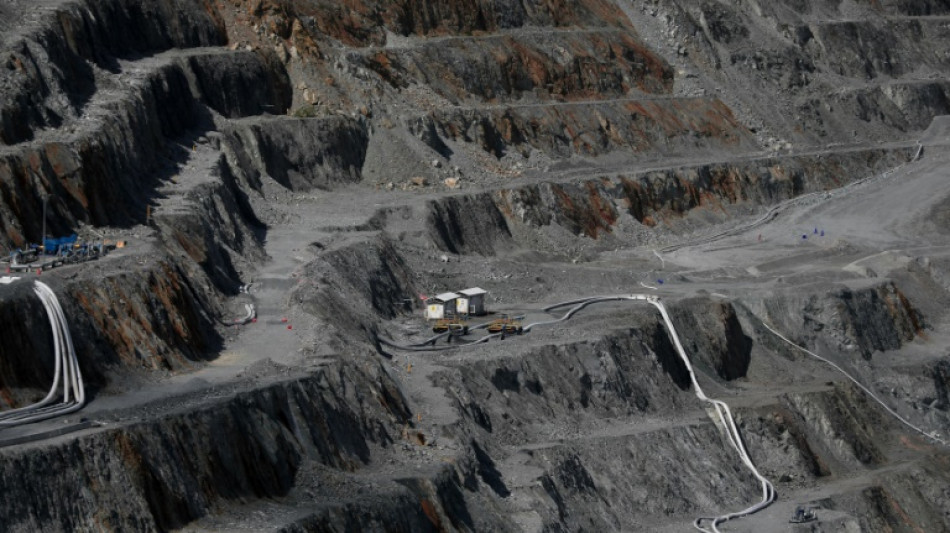
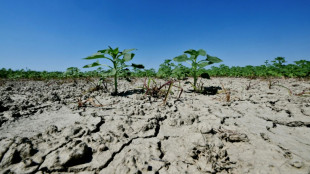
World resource extraction could surge 60% by 2060, UN warns / Photo: Roberto CISNEROS - AFP

 Dozens of orangutans saved from Indonesia blazes as region grapples with haze

 Pope addresses crowd in Vatican after cancer surgery
 انطلاق الدورة السابعة من «صناع الأمل» ومليون درهم للفائز

 التحالف يعترض صاروخين باليستيين وثلاث مسيّرات فوق مناطق سعودية

 مجلس الدفاع الوطني المصري يقر دعماً شاملاً لأمن السعودية واستقرارها

 مقتل ضابطين في تحطم مروحية استطلاع للحرس الوطني بمنطقة نجران

 «غراند كوندي» تعود للعرض في فرنسا بعد قرن على سرقتها

 أعمال توسعة واقتحامات متزايدة تثير مخاوف على الوضع القائم في الأقصى

 غزة تحيي الذكرى الثالثة لانفجار المستشفى الأهلي المعمداني

 استمرار إغلاق معبر رفح يعطل سفر مرضى وجرحى من قطاع غزة

 وزير الاستثمار المصري: القطاع الخاص يتجاوز تريليون جنيه والاستثمار الأجنبي 15 مليار دولار

 استقرار أسعار الأسماك في سوق العبور الأحد 18 أكتوبر 2026

 فانس يربط اضطرابات فرنسا بالهجرة وينتقد سياسات الديمقراطيين
 الأسهم السعودية ترتفع بعد جلستين من الخسائر وسط ترقب نتائج الشركات

 محمد بن راشد يعلن دورة جديدة من «صناع الأمل» لعام 2026

 «الفارس الشهم 3» توسع خدمات العلاج والإمداد الطبي لقطاع غزة

 أريستانباي يفوز بكأس «ألور 2026» في سباق القدرة بكازاخستان
 مذكرة تعاون بين دبي وغوانغدونغ لتطوير تجارة وتصنيع الذهب والمجوهرات

 قمة الاقتصاد الأخضر تبحث تمويل التوسع في سوق عالمي يتجاوز 5 تريليونات دولار

 مؤشرات البورصة المصرية تهبط جماعياً في افتتاح جلسة الأحد
 وفد إماراتي يشارك في قمة «سيكا» السابعة بالعاصمة باكو
 Chelsea keeper Martinez 'back in a few weeks' after jaw fracture

 France counts cost of violent protests, 1,800 arrested

 Court to rule on first climate lawsuit against Italian state

 Vietnam signs free trade deal with four European nations

Extraction of Earth's natural resources could surge 60 percent by 2060, imperilling climate goals and economic prosperity, the UN said Friday, calling for dramatic changes in energy, food, transport and housing.
Enormous expansion of infrastructure, energy demand and consumer consumption over the last half century, particularly in wealthier countries, has driven a tripling of the world's use of materials, according to the 2024 Global Resource Outlook by the UN Environment Programme's International Resource Panel.
And the hunger for natural resources -- everything from food to fossil fuels -- keeps growing by an average of more than 2.3 per cent per year, it said.
People in wealthy countries drive most of that demand, using six times more materials and responsible for ten times more climate impacts than those in low-income countries, according to the analysis.
Extraction and processing of the huge amount of resources accounts for over 60 percent of planet-warming emissions, the report said, as well as devastating ecosystems and harming human health.
Lead author Hans Bruyninckx said the current trajectory would cause the world to far exceed the temperature limits set out in the 2015 Paris Agreement, in which countries agreed to cap global warming "well below" two degrees Celsius and preferably at 1.5C.
"You've got resource use that is increasing, too much impact on Earth systems that is not tenable," he told AFP, adding that unequal access to resources across the world was also "untenable".
But he acknowledged that natural resources will be needed "to turn things around", both to boost development in poorer nations and to provide the minerals and metals needed for the energy transition.
The report follows an agreement by countries at UN climate negotiations last year in Dubai, to triple global renewable energy capacity this decade and "transition away" from polluting fossil fuels.
- 'Unprecedented scale and speed' -
Without sweeping change, the report warned, the exploitation of Earth's resources will continue, with computer modelling suggesting an increase by almost 60 per cent by 2060 from 2020 levels, from 100 to 160 billion tonnes.
"The only choice is to stabilise and balance the human relationship with the rest of nature," the report said.
"Weak, partial, fragmented or slow policies will not work. This can only be possible with far-reaching and truly systemic shifts in energy, food, mobility and the built environment implemented at an unprecedented scale and speed."
It said policy changes, focused on high-consumption countries, could reduce the projected growth in resource use by a third, slash greenhouse gas emissions 80 percent and improve health -- while still allowing economic growth.
Recommended actions, particularly in richer countries, include dietary changes that would reduce food waste and cut back on animal protein, more efficient transport systems, and denser housing using recycled building materials.
In developing countries where more resources are needed to improve lives, the report said the emphasis should be on maximising the benefits and minimising environmental and health impacts.
The report also called for the environmental costs of resource extraction to be priced into commodities and included in trade agreements.
"The economy is human made, it doesn't follow the laws of physics," Bruyninckx said.
"We made it in a certain direction, we can use the same government capacities to move it in a different direction."
G.AbuOdeh--SF-PST