Judge OKs adjustment plan to end Puerto Rico bankruptcy

 Kubayi Warns Residents to Vacate Hijacked Buildings as State Prepares Seizures

 Van Gogh’s ‘Châtaigniers en Fleurs’ Sets $285m Record at Sotheby’s

 محكمة الاحتلال تمدد اعتقال مدير مستشفى كمال عدوان دون تهمة

 Global Scams Remain Widespread: Nearly Two in Three Adults Worldwide Report Scam Encounters, 9% Lost Money

 OPEC Chief: Oil to Remain Major Energy Source for Decades Amid Global Shift

 Hyundai Offers £1,000 Deposit Contribution on Black Friday for Tucson, Santa Fe, Kona, Ioniq 9 and Bayon
A federal judge on Tuesday approved a plan to restructure Puerto Rico's public debt, which will allow the US territory to end the bankruptcy process it declared almost five years ago.
Judge Laura Taylor Swain gave her approval to the fiscal adjustment project approved by the island's authorities last October.
The decision will reduce the territory's debt by nearly 80 percent and save it more than $50 billion in debt service payments, the federal board that has overseen Puerto Rico's accounts since 2016 said on Twitter.
According to the body's director, Natalie Jaresko, the plan reduces claims against the government from $33 billion to just over $7.4 billion.
The governor of Puerto Rico, Pedro Pierluisi, said the judicial decision "represents a great step for the economic recovery" of the island.
"We are facing a transcendental moment in which the Government of Puerto Rico is on its way to ending the bankruptcy process," he wrote on Twitter.
Since 2005, Puerto Rico has endured strict austerity policies, imposed by successive governments to try to reduce its high debt.
In 2015, it declared it was unable to pay a debt of $70 billion, which led the US Congress to create a law called Promesa that allowed the island to file a bankruptcy petition in May 2017.
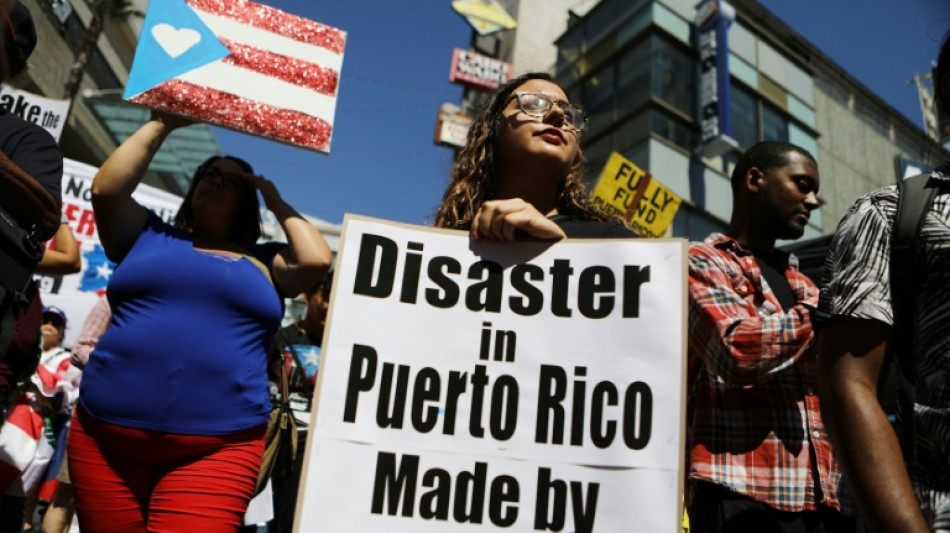
Four months later hurricanes Irma and Maria devastated the Caribbean island. After that, protests in 2019 caused the resignation of governor Ricardo Rosello, and in January 2020 an earthquake destroyed nearly 8,000 homes.
B.AbuZeid--SF-PST