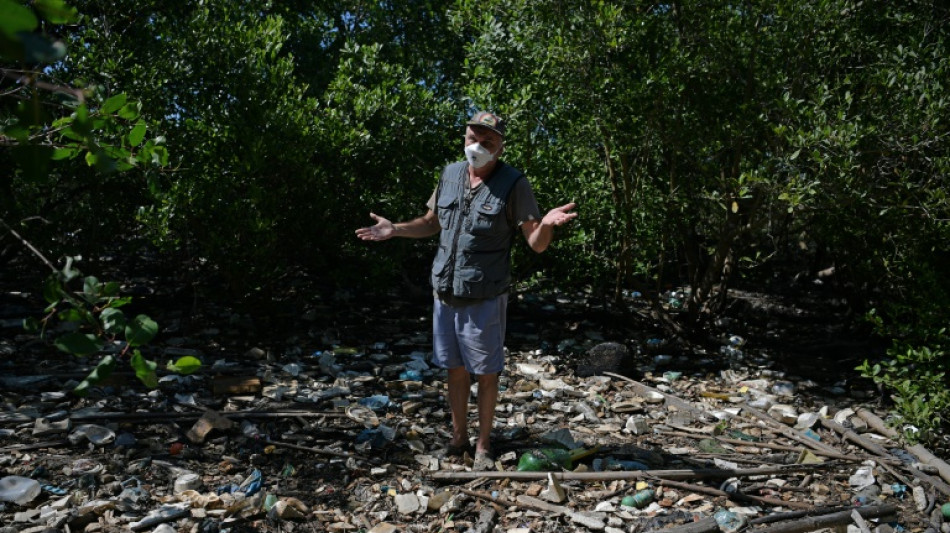
Rio launches clean-up of gorgeous, filthy bay -- again

 Gay badminton star Gilmour urges progress on LGBTQ rights in Asia
 Pallister takes down Ledecky in Pan Pacs 800m freestyle

 Douglass breaks 50m free world record again to claim Pan Pacs gold

 As Opel turns to Chinese partners, its hometown frets about the future
 Mehidy takes three as Bangladesh close on historic win in Australia
 Hope fades for finding surivivors of Colombia quake as rescued woman dies
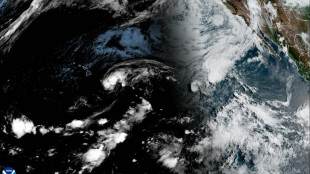 Hurricane Lala dumps heavy rain on Hawaii

 Jaded voters, same old choices: Brazil kicks off election campaign

 'Everyone lives in fear': Yemenis worry about return to all-out war

 Cardinals' Baez bashes record three homers in MLB debut

 Djokovic feels the heat in Cincinnati opening defeat

 Hunt bags third Euro gold, Diaz shines in triple jump

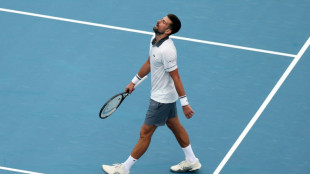 Depleted Djokovic falls in Cincinnati Masters opener

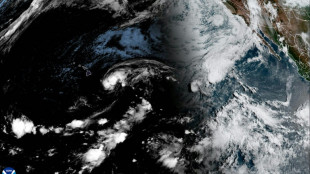 Lala, now a hurricane, dumps heavy rain on Hawaii

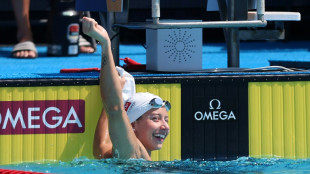 American Kate Douglass reclaims 50m freestyle world record

 Kit confusion disrupts Newcastle friendly against Leverkusen

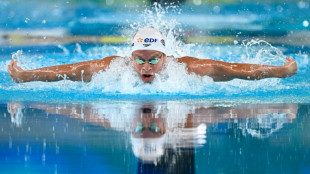 Marchand wins first Euros gold as Liebmann breaks 1500m free world record
 Zambia's vote marred by intimidation, counting pause: observers
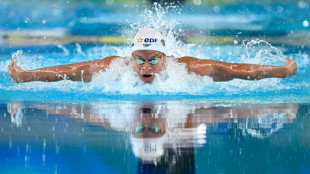 Marchand wins 200m butterfly for first Euros gold

 Fernandez booed by Chelsea fans in friendly win over Sociedad

 Fans line Welsh streets as Bonnie Tyler body's returns for funeral
 Tropical Storm Lala lashes Hawaii with heavy rain
 Lebanon reports 11 dead in strikes that Israel says targeted Hezbollah

 Crystal Palace sign Israel winger Khalaili

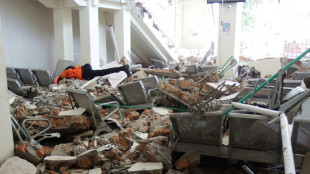 Rescuers search for survivors as Indonesian quake death toll rises to 47

Cold beer in hand, the sun shining, Edson Rocha seems to have everything for a beautiful day at the beach.
In front of him, emerald hills cascade into Rio de Janeiro's Guanabara Bay; to the right is the Brazilian seaside city's majestic Sugarloaf Mountain; above, the iconic Christ the Redeemer statue outstretches his arms, as if to embrace the perfect beauty of it all.
Perfect except for one detail: the water in the bay is a foul-smelling stew of raw sewage, industrial pollution and trash.
Rocha, a 46-year-old oil worker, would love to take a swim.
"But then you have to go straight to the shower and scrub for 10 minutes to try to wash the pollution off," he says with a laugh, sitting meters (yards) from a river of sewage emptying into the bay.
The heart of Rio, Guanabara Bay is one of the most postcard-gorgeous spots on Earth.
But urban sprawl has blighted the landscape, and bathers prefer less-polluted beaches like Copacabana, on Rio's Atlantic coast.
Home to 12.5 million people, the bay's watershed system has long been a dumping ground for garbage, toxic chemicals and sewage, 54.3 percent of which goes untreated.
Now, after decades of failed fixes, Rio state authorities say they have a solution.
Last year, they privatized tottering water and sanitation service Cedae, selling the operating rights for Rio city and 26 other municipalities to company Aguas do Rio.
The new operator promises to invest billions to do what no one has managed yet: clean up Guanabara Bay.
- 'Graveyard of failed projects' -
Aguas do Rio, which took over in November, plans to invest 2.7 billion reais ($570 million) over five years fixing broken waste-treatment systems and cleaning sewage from the bay.
The company, a subsidiary of sanitation group Aegea, has promised total investments of 24.4 billion reais across its 35-year contract to bring the sewage-treatment rate to 90 percent.
"I have no doubt people will start swimming again in the bay," says chief executive Alexandre Bianchini.
Locals are skeptical, given the history of failed plans to save the bay.
In 1994, Rio state launched a clean-up program with international funds, spending $1.2 billion on sewage treatment plants -- but largely failed to finish the pipes connecting them to residents.
Then came Rio's rush to host the 2016 Olympics. As international media ran embarrassing images of the polluted bay, Rio earmarked nearly $1 billion to clean it.
But the state declared insolvency weeks from the Games. It never came close to fulfilling its promise to bring the sewage-treatment rate to 80 percent.
"Guanabara Bay has become a graveyard of failed projects," says ecologist Sergio Ricardo, a co-founder of environmental group Baia Viva.
- Fishermen without fish -
On a mucky, fetid bank off the bay's northwest corner, fisherman Gilciney Gomes brandishes two of the myriad plastic bottles he has pulled from the water.
"Am I supposed to feed this to my family?" says Gomes, head of the Caxias Fishing Colony, a fishermen's association.
Gomes lives near the Jardim Gramacho landfill at the bay's edge, once the biggest open-air dump in Latin America. Officially closed in 2012, it continues leaching a toxic slurry into the bay, environmentalists say. An illegal dump nearby still receives trash by the truckload.
The bay's banks here are clogged with plastic, diapers, clothing, tires, furniture and appliances.
Major chemical and oil companies operate facilities nearby that have leaked toxic industrial pollution into the water, say fishermen and activists.
Gomes, a father of four, says there are no longer enough fish and crabs in this region of the bay for fishermen to survive.
"We've become garbage-diggers," says Gomes, who started working as a nine-year-old boy digging garbage at the dump and is now back to selling recyclable trash at age 61.
Biologist Mario Moscatelli, who runs a program to replant mangrove forests at the former dump site, calls Guanabara Bay "a microcosm of how environmental problems are managed in Brazil."
"This disaster has been created by disorganized urban growth, booming slums, lack of public-housing policy for the poor, lack of universal access to the sewage system. And the environment always pays for it," he says.
Still, he says, he is willing to give Aguas do Rio a shot.
"We gave the state 50 years to make this mess. We can give the company five."
Y.Shaath--SF-PST