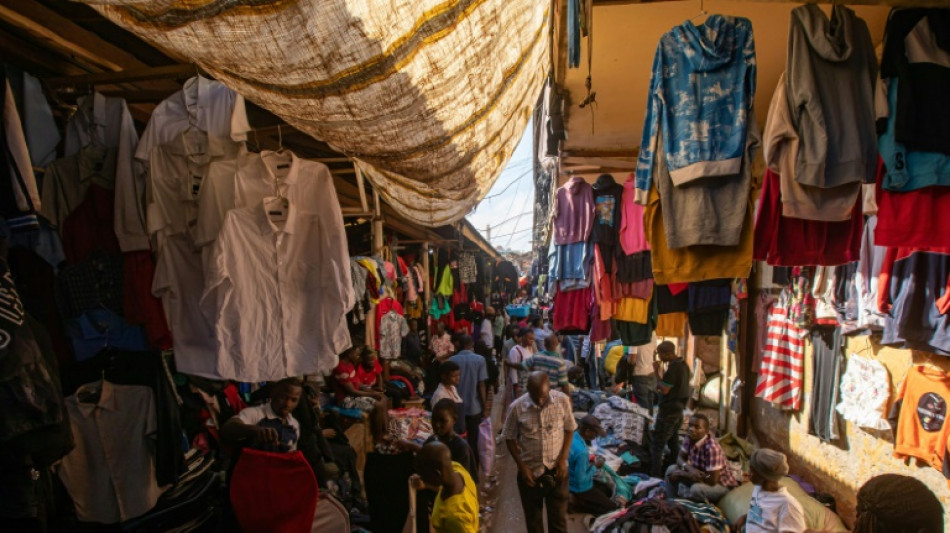
'Where is our future': Uganda declares war on used clothing / Photo: BADRU KATUMBA - AFP

 Ronaldo handed 30-day suspension after walking out on Portugal

 Netanyahu basks in Trump endorsement week before election
 Saudi airport closure disrupts life in kingdom's capital

 Ramaphosa tells South Africa to prepare for loss of US-Africa trade deal
 France presses resale platforms to remove 'stolen' goods after unrest
 Yamal v PSG: Ballon d'Or backdrop to Champions League showdown
 Araujo says too soon to talk about permanent Liverpool move
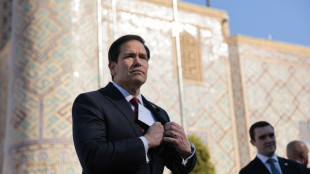 US wants to be 'strong partner' for central Asia: Rubio
 'Special' to face friend Perez in Champions League, says Liverpool's Iraola

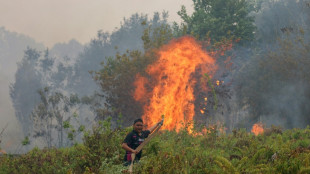 Monitor says Indonesia fires have burned nearly two million hectares

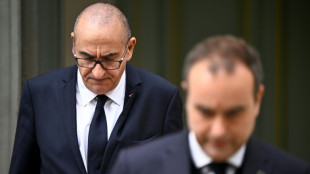 French PM says could declare state of emergency over unrest 'if needed'
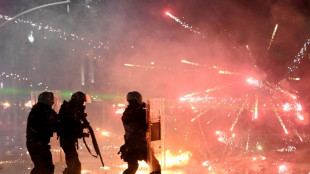 Albanian PM warns of 'red line' after days of unrest
 Putin, Xi and Trump could meet at APEC summit: Kremlin

 Microsoft exits data centre deal in blow to UK AI ambitions
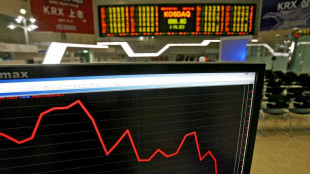 European stocks retreat as France violence spreads
 North Korea warns 'grave situation' prevailing along border
 Raya proud of Arsenal's 'incredible' reaction after third straight win

 Indonesia fires have burned nearly two million hectares: monitor
 Australian lawmaker 'critically' hurt in attack, officials say

 Indonesia fires burned over 1.9 mn hectares through September: monitor
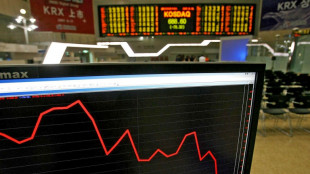 Asian tech stocks mixed after Wall St losses, eyes on earnings

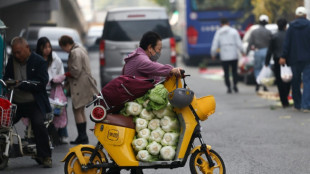 China's third-quarter growth narrowly beats forecasts
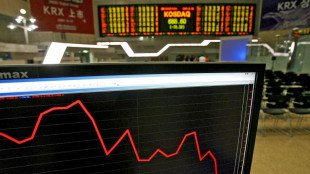 Asian stocks start week on back foot, tracking tech-led Wall St losses
 China growth narrowly beats forecasts

 Faith and fury: Texas Senate rivals offer contrasting visions
For nearly three decades, the chaotic, overcrowded Owino secondhand market in Uganda's capital has been the cornerstone of Hadija Nakimuli's life, helping the widowed shopkeeper build a house and raise 12 children.
But a potential government ban on the sale of used clothing threatens to sever this crucial lifeline for Nakimuli and tens of thousands of vendors like her.
"Where is our future if they stop secondhand clothes?" the 62-year-old asked, rummaging through her stash of underwear, dresses, shoes and bags.
Established in 1971, the sprawling market employs some 80,000 people, 70 percent of them women, according to Kampala city authorities.
"Other than students, my clients include ministers (and) members of parliament who call me to deliver clothes to their air-conditioned offices," said Joseph Barimugaya, whose stall stocks menswear.
"This trade should not be tampered with. Everyone benefits, including the government, which gets taxes," the father of four told AFP.
Every day, hundreds of customers squeeze through the narrow alleys separating the makeshift wooden stalls, eager to grab a bargain.
Here, a secondhand Pierre Cardin blazer goes for 40,000 Ugandan shillings ($11), a fraction of the price of a new one.
"As a teacher I earn less than 500,000 Ugandan shillings. If I am to buy a new garment it means I would spend all my salary on clothing," Robert Twimukye, 27, told AFP while shopping at Owino on a Saturday afternoon.
He is not alone.
Although there are no official figures available, the Uganda Dealers in Used Clothings and Shoes Associationestimates that 16 million people -- one in three Ugandans -- wear used clothing.
- 'Clothes from dead people' -
"Everyone is into secondhand clothes. Only few people in Uganda can afford new clothes," said Allan Zavuga, retail manager of Think Twice, which employs 30 staff across three branches in the country.
"Banning it in Uganda is doing a disservice to the population and also the country at large," he said, pointing out the environmental cost of producing new clothing instead of reusing items.
East Africa imports about an eighth of the world's used clothing, providing jobs for some 355,000 people who earn $230 million a year, according to a 2017 study by the US government's aid agency, USAID.
But the sector has also been a longstanding sore point for governments in Africa, who say the cast-offs harm the domestic textile industry.
"These clothes are from the dead in a foreign country. When a white (person) dies, the clothes are sent to Africa," President Yoweri Museveni said in August this year.
"I have declared war on secondhand clothes to promote African wear," he said.
In an interview with AFP, Uganda's state minister for trade, David Bahati, said it was a question of "dignity".
If the proposed ban goes ahead, "we will be able to replace these second hand clothes", he added.
"It cannot be done in one day but we can do it in a gradual manner," Bahati said.
The government is examining the issue with a view to potentially implementing the ban in January.
"The government is ready to give investors incentives... such as tax holidays to ensure we process our cotton into new garments to cover the market demands."
- Trade row -
Uganda has been here before.
In 2016, Museveni sought to ban used clothing as part of an East African initiative to develop domestic industries, but faced significant opposition by the Kampala City Traders Association.
Diplomatic considerations also played a part.
Initially, the East African Community regional bloc put up a united front.
But the alliance cracked after Kenya, Tanzania and Uganda balked at the prospect of retaliatory loss of duty-free access to US markets.
In the end, Rwanda decided to go it alone and imposed steep taxes on used clothing in 2016, leading to a sharp drop in imports and an increase in the smuggling of secondhand goods to meet demand.
Two years later, the US suspended duty-free benefits for apparel from Rwanda in a tit-for-tat move.
At Owino, geopolitics is far from the minds of shoppers and sellers alike.
"Who did the government consult (before deciding) to ban secondhand?" second-generation shopkeeper Harriet Musoke Kyambadde asked, her voice trembling with indignation.
"Banning this business will be sending me into abject poverty," the mother of three told AFP, throwing her hands in the air.
burs-gm/amu/ho/gil
G.AbuOdeh--SF-PST