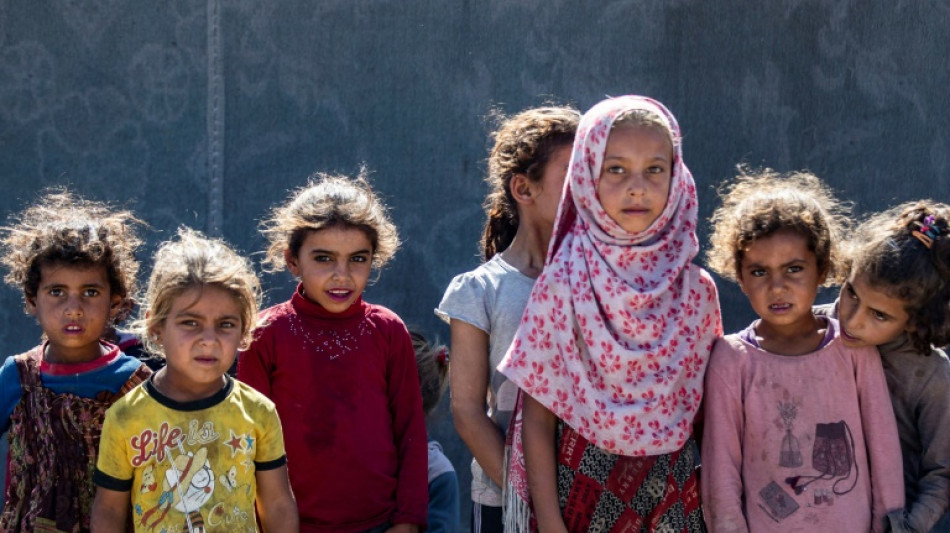
The 'forgotten' camps where Syria war displaced languish / Photo: Delil SOULEIMAN - AFP

 Jansen, Rabada put South Africa in sight of win over Australia

 Low Rhine weighed on German growth: central bank
 OpenAI says its AI agents disabled their own safety monitors
 Alldritt returns as France call up seven newcomers for Nations Championship

 UN issues call to arms to combat off-the-charts El Nino
 Nigeria Ebola case matches DR Congo strain
 Musk's SpaceX helps launch stock market gains
 Rose salutes Bournemouth's past heroes ahead of AC Milan clash
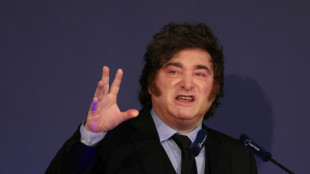 Argentina's Milei calls Spain PM Sanchez a 'dictator' in Madrid visit

 Barca's Olmo injured for a month, misses Clasico
 Impacts of UK's new North Sea gas drilling

 Jansen takes five for South Africa as Australia forced to follow on
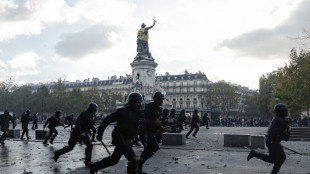
 Toulouse v Troyes Ligue 1 game postponed as France gripped by unrest
 PSG winger Kvaratskhelia's season in doubt after torn ACL
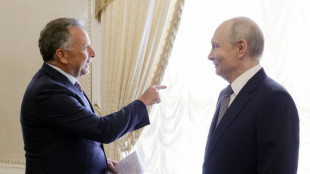 Putin, Witkoff meet in Russia for Ukraine war talks
 Musk's SpaceX helps fuel stock market gains
 Authors urge UK to halt 'draconian' Palestine Action ban as Rooney sales end
 South Korea guides crowd-pulling shark out of canal
 PSG's Kvaratskhelia season in doubt after torn ACL
 President berates countries that 'insult' Indonesia over wildfires
 PSG's Kvaratskhelia set for months out with torn ACL
 Japan sends senior diplomat to Russia over detained journalist
 Rising UK inflation, debt knocks govt ahead of budget
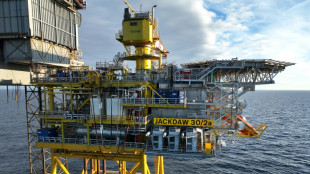
 UK govt approves drilling in controversial Jackdaw gas field

 US envoy to meet Putin after 'positive' talks with Zelensky

Thousands of people displaced by 12 years of war are stuck in squalid, unofficial camps in Syria's Kurdish-held northeast, languishing in extreme poverty and largely cut off from international assistance.
"We've been completely forgotten," said Rahma al-Hammud, 33, standing at her tent -- a shoddy patchwork of worn-out fabric, tarp and old fertiliser bags crudely sewn together.
"Our children get sick over and over again. They get fever, diarrhoea and vomiting," said the widowed mother of four.
She lives in the Al-Yunani camp in the northern province of Raqa, where the Islamic State group had set up its de facto capital before its defeat in 2017 by US-backed Kurdish-led fighters.
Located near the Euphrates River, it is one of many informal camps inside Syria for people displaced by the conflict.
Women can be seen carrying heavy buckets of water from communal tanks in heat that can exceed 40 degrees Celsius (104 Fahrenheit), while children in filthy clothes and bare feet play in the dirt.
Sheikhmous Ahmed, an official in the semi-autonomous Kurdish administration, said tens of thousands of people live in dozens of informal camps in north and northeast Syria.
Only 16 camps, housing around 150,000 people, are formally recognised and have access to international aid, including Al-Hol and Roj, which host suspected relatives of IS fighters, he said.
- Lack of aid -
While living and hygiene conditions can be dire even in official displacement camps, the situation in informal settlements is sometimes worse, with no semblance of organisation and little or no humanitarian assistance.
Tanya Evans of the International Rescue Committee said such informal camps "can be considered the 'forgotten camps' of Syria".
"Increased attention, funding, and sustained efforts by the international community are crucial" to ensuring such camps "receive the assistance they desperately need", she told AFP in a statement.
Hammud, who is displaced from elsewhere in Raqa province, said aid was "scarce" and that international organisations "do not recognise" the Al-Yunani camp.
"Even if they helped us every two or three months, people would have" better lives, said Hammud, a day labourer in the agriculture sector.
Three of her children also work in an industrial area nearby to help make ends meet.
Syria's war has killed more than half a million people and displaced millions since it broke out in 2011 with the regime's repression of peaceful protests.
It spiralled into a deadly conflict that pulled in foreign powers and global jihadists.
- 'Hell forever' -
According to Sheikhmous Ahmed, Kurdish authorities are working "on a plan to transfer residents from informal to formal camps" in a bid to improve their living conditions.
If this were to come true it could improve the life of residents of Sahlat al-Banat, a makeshift camp which sits next to a landfill on the outskirts of Raqa city.
Residents spend their days scavenging the rubbish tip for anything of value, such as scrap metal and bits of plastic, which they hope to sell. It is their main source of income.
"The situation in the camp is tragic," said 30-year-old mother Shakura Mohammed, who was displaced from nearby Deir Ezzor province.
"People search through the rubbish for things they can sell in order to buy bread and earn a living," she said.
"No aid comes to the camp," she added.
According to a report by the United Nations humanitarian agency OCHA, 79 percent of settlements in Raqa province are informal.
A UN cross-border mechanism allowing aid to enter northeast Syria from neighbouring Iraq was halted in early 2020 after pressure from regime ally Russia at the UN Security Council, worsening conditions for those in need.
Umm Rakan, who lives at Sahlat al-Banat, said she had given up on the idea that things would improve.
"We no longer count on anyone's help. We lost hope years ago," said the woman in her 40s, who was also displaced from Deir Ezzor.
"We are destined to live trapped in this hell forever."
W.Mansour--SF-PST